© 2026 Ramac US, LLC © Copyright Assured Environments. All Rights Reserved
Property managers across New York and the Tri-State area know that a single bed bug complaint can quickly become a building-wide crisis, with shared walls and high foot traffic allowing infestations to spread year-round regardless of cleanliness. Here is what every multi-family property manager needs to know about detection, containment, and eradication.
Key Takeaways:
- Unlike seasonal pests, bed bugs remain active throughout the year and will move between units through shared walls and heavily trafficked common areas
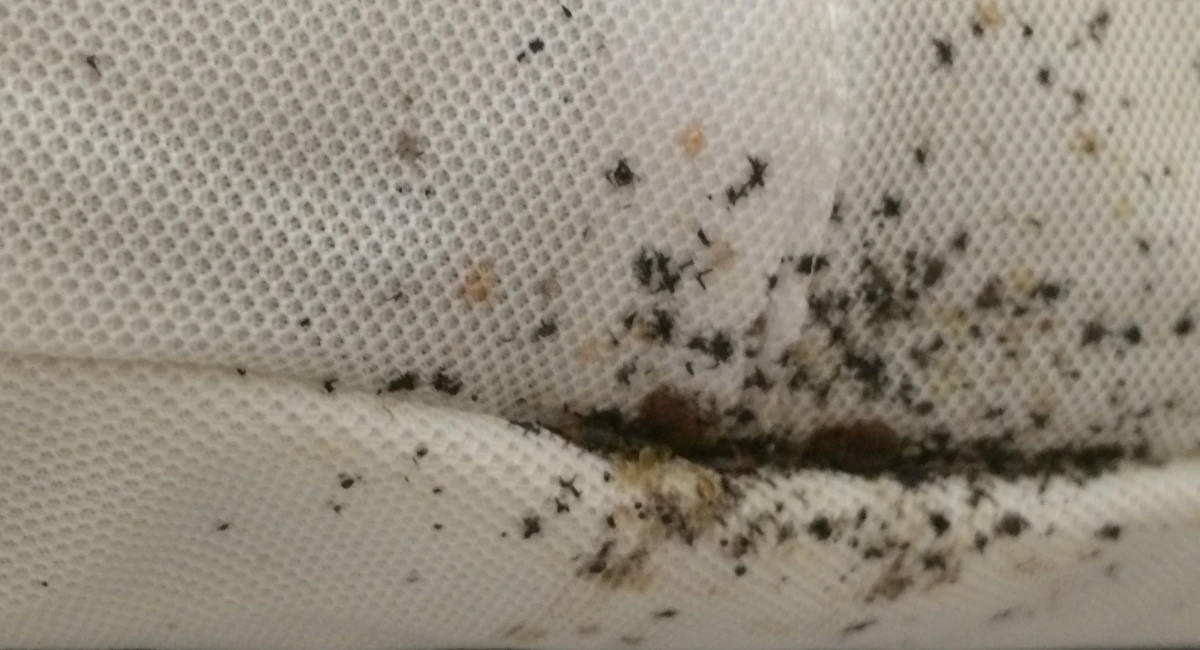
- Maintenance and housekeeping staff are your earliest line of detection and must be trained to recognize low-visibility indicators like fecal marks, shed skins, and blood spotting
- Acting on a single report means immediately isolating the affected unit and scheduling inspections of every neighboring unit on all sides before the infestation migrates further
- Every complaint, inspection, and remediation step should be formally logged, as thorough documentation is your strongest protection in any tenant dispute or regulatory review
- Heat, steam, and professionally targeted treatments are the standard for effective eradication—over-the-counter products are not reliable enough for multi-unit residential environments
Jump to:
Understanding the ongoing risk of bed bugs
Step-by-step bed bug response guide for property managers
Designing a structured building-wide prevention plan
High-risk property types and targeted training
Frequently asked questions about multi-family bed bug management
Understanding the Ongoing Risk of Bed Bugs
There’s no slow season for bed bugs. While some pests follow weather patterns, bed bugs move year-round and thrive anywhere people live, travel, or gather. They don’t care about cleanliness. They care about access.
In multi-family units with frequent guest traffic, shared walls, or furnished units, the chance of exposure climbs. In most cases, infestations start small and are easy to miss. That’s where a structured approach can save time, cost, and tenant relationships.
Step-By-Step Bed Bug Response Guide for Property Managers
1. Train Your Staff to Recognize the Signs
Your maintenance and housekeeping teams are your first line of defense. They should know what to look for: blood spots on sheets, dark fecal marks on mattresses or furniture, shed skins near bed frames, and live bed bugs in seams or crevices. Even one sighting should be taken seriously. Regular training sessions help keep everyone alert and confident in reporting potential issues.
2. Document Every Complaint or Sighting
Even if a report seems minor or unconfirmed, log it. Include the unit number, date, description, and who reported it. Over time, patterns may emerge—multiple reports from the same floor or building wing can signal a larger problem. Clear documentation also protects you legally and helps pest control professionals assess the scope of the issue.
3. Isolate the Affected Unit Immediately
As soon as bed bugs are suspected, remove the unit from rotation if possible. Inform the tenant, and avoid moving furniture or belongings to other units. Bed bugs spread easily through shared walls, hallways, and laundry rooms. Quick isolation helps contain the problem and shows tenants you're taking it seriously.
4. Schedule a Professional Inspection
DIY methods rarely work for bed bugs. Contact a professional bed bug exterminator to inspect the unit and surrounding areas. Technicians are trained to detect bed bugs in hard-to-reach places, such as baseboards, electrical outlets, and furniture joints. A thorough inspection will determine whether treatment is needed and how far the infestation has spread.
5. Communicate Clearly with Tenants
Let affected tenants know what's happening, what to expect, and how they can help. Provide written instructions for preparing the unit for treatment, including washing bedding in hot water, vacuuming, and reducing clutter. Clear, calm communication reduces anxiety and helps ensure cooperation during treatment.
6. Implement Treatment and Follow-Up
Professional treatment may include heat, steam, insecticides, or a combination of these. Follow-up visits are often necessary to ensure all life stages of bed bugs are eliminated. Work with your pest control provider to schedule these visits and confirm the unit is clear before allowing re-occupancy or new tenants to move in.
7. Inspect Neighboring Units
Bed bugs don't respect property lines. Inspect units directly above, below, and adjacent to the affected space. Even if tenants haven't reported issues, a proactive check can catch problems early and prevent a larger outbreak.
8. Review and Update Your Prevention Plan
After treatment, review what happened and how it was handled. Update your staff training, inspection schedules, and tenant communication materials. Consider adding bed bug clauses to lease agreements and providing educational materials during move-in.
Designing A Structured Building-wide Prevention Plan
Spot checks are helpful, but they’re not enough. Without a routine, it’s easy to miss early warning signs or overlook high-risk areas. If you're responsible for pest control in multi-family buildings, build a checklist that fits your property layout and inspection rhythm. No two buildings are the same. Older buildings may require closer attention to baseboards and shared walls, while newer properties might need a focus on furniture, electrical outlets, or high-traffic communal areas.
Give your staff clear direction to reduce guesswork and avoid inconsistency across units or shifts. Multi-unit housing pest control requires a building-wide approach, especially in dense urban areas.
High-Risk Property Types And Targeted Training
This guide is especially useful if you manage:
- High-turnover properties
- Mixed-use buildings
- Short-term or furnished rentals
- Student housing
- Multi-site portfolios
It’s also helpful for onboarding new staff or retraining existing teams. Rather than relying on individual experience or scattered notes, you’ll have a unified system everyone can follow.
Expert Bud Bug Control in New York, New Jersey, and Connecticut
Before the itch reaches critical mass and everyone is fleeing your business, contact Assured Environments. Our specialized K9 scent detection team rapidly pinpoints bed bugs, allowing our experienced professionals to eliminate the infestation and ensure they never return.
Frequently Asked Questions About Multi-family Bed Bug Management
Bed bugs reproduce quickly. A single female can lay up to 250 eggs in her lifetime, and eggs hatch in about six to ten days. Under ideal conditions, a small introduction can grow into a noticeable infestation within a few weeks. Early detection and fast action are key to preventing spread.
Bed bugs are active year-round and don't follow seasonal patterns like other pests. However, infestations may spike during summer months when travel increases, as bed bugs are often brought in through luggage and clothing. High-turnover properties should remain vigilant year-round.
Staff should log the date, time, unit number, location within the unit, description of what was seen, and who reported it. Photos can be helpful if possible. All reports should go to a central contact so patterns can be tracked and quickly remedied.
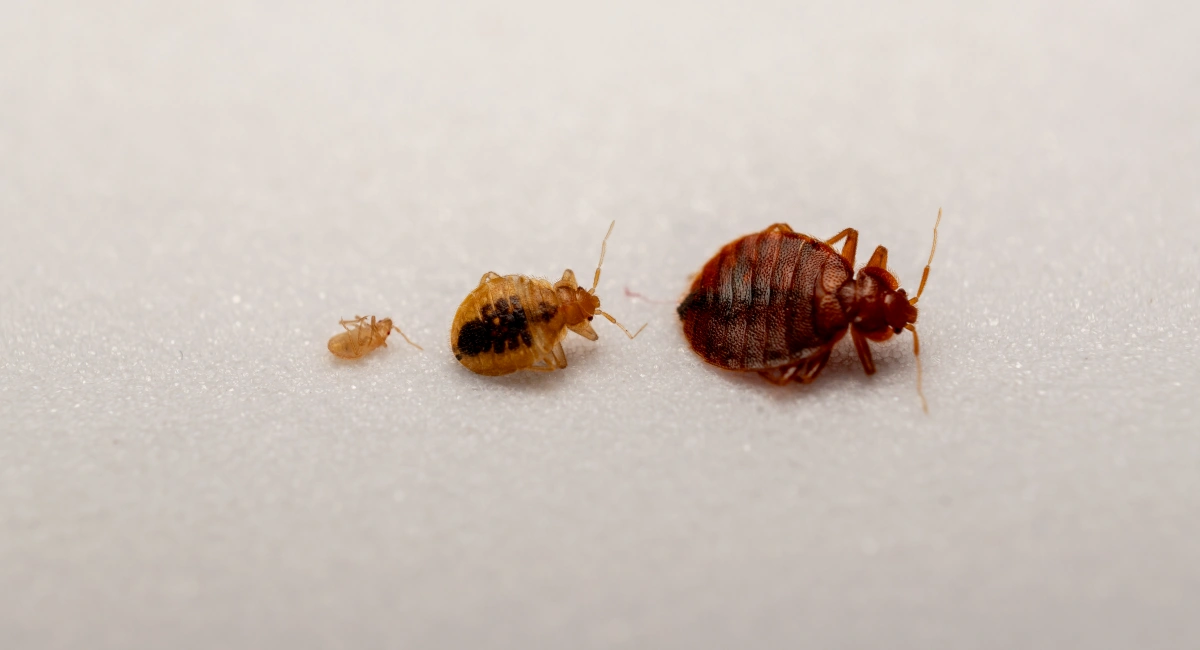
Bed bugs are flat, reddish-brown, and feed on human blood. They hide in beds and furniture and leave blood spots and fecal marks. Carpet beetles are round, feed on natural fibers, and are usually found in closets and carpets. Carpet beetles don't bite, but their larvae can cause skin irritation. Correct identification is essential for effective treatment.
Yes. Bed bugs can enter through visitors, delivery personnel, contractors, secondhand furniture, or even laundry services. They can also travel between units through shared walls, electrical conduits, and plumbing chases. This is why building-wide vigilance is so important.
Book Your Free Pest Inspection Today
Our local technicians will assess your property and recommend tailored solutions. Fast, friendly, and completely obligation-free.
- Safe, targeted treatments
- Local experts, fast response
- Trusted, trained technicians