© 2026 Ramac US, LLC © Copyright Assured Environments. All Rights Reserved
Pests Don’t Pay Rent in NYC—But They Still Move In
Pest pressure in NYC multifamily buildings is unlike anywhere else, driven by aging infrastructure, dense occupancy, and the constant movement of people and goods through shared spaces. Here is what property managers need to understand about the full range of pest threats facing multifamily residential buildings and the compliance obligations that come with them.
- Shared wall cavities, centralized trash chutes, and interconnected utility pipe chases allow pest populations to move freely between units, making building-wide infestation a realistic outcome of a single localized problem
- The structural and health consequences of unaddressed infestations escalate quickly, as rodents compromise electrical systems by gnawing through wiring while cockroaches and flies introduce potent allergens into living spaces
- NYC housing law treats bed bug complaints as actionable violations, requiring landlords to provide written infestation history to prospective tenants and complete remediation within a strict 30-day window
- Pigeon activity creates long-term structural liability that many property managers underestimate, as their highly corrosive droppings accelerate facade deterioration and block drainage systems across rooftops and ledges
- Seasonal weather patterns directly influence when and where pest activity surges, with summer humidity drawing insects deeper into buildings and dropping winter temperatures pushing rodents indoors in search of warmth and shelter
- Professional pest management gives property managers the documentation, regulatory compliance support, and proactive monitoring needed to contain outbreaks before they generate health violations or tenant disputes
The Top Pests NYC Property Managers Deal With Year-Round
New York’s large and diverse population is matched by the wide variety of city pests. They thrive in busy and built-up neighborhoods, resulting in risks to health, safety, and property. Assured Environments has compiled a list of common pests in multifamily housing for property managers because knowing what to expect in advance makes all the difference with pest control.
Rodents (Mice and Rats)
Although city data shows a slight drop in reported rat populations, some neighborhoods are seeing sharp increases, and resident sightings have more than doubled. Not surprisingly, rodents are a leading pest complaint in NYC’s multifamily housing.
Mice and rats move freely through pipe chases, boiler rooms, and structural gaps, and chew through wiring, causing considerable property damage. Shared walls, trash rooms, and aging infrastructure offer easy entry and shelter.
Rodent control in NYC requires a comprehensive approach, including sealing entry points, maintaining cleanliness, and setting up monitoring systems. These will help to identify early signs of infestation and prevent the spread of harmful bacteria.
Cockroaches
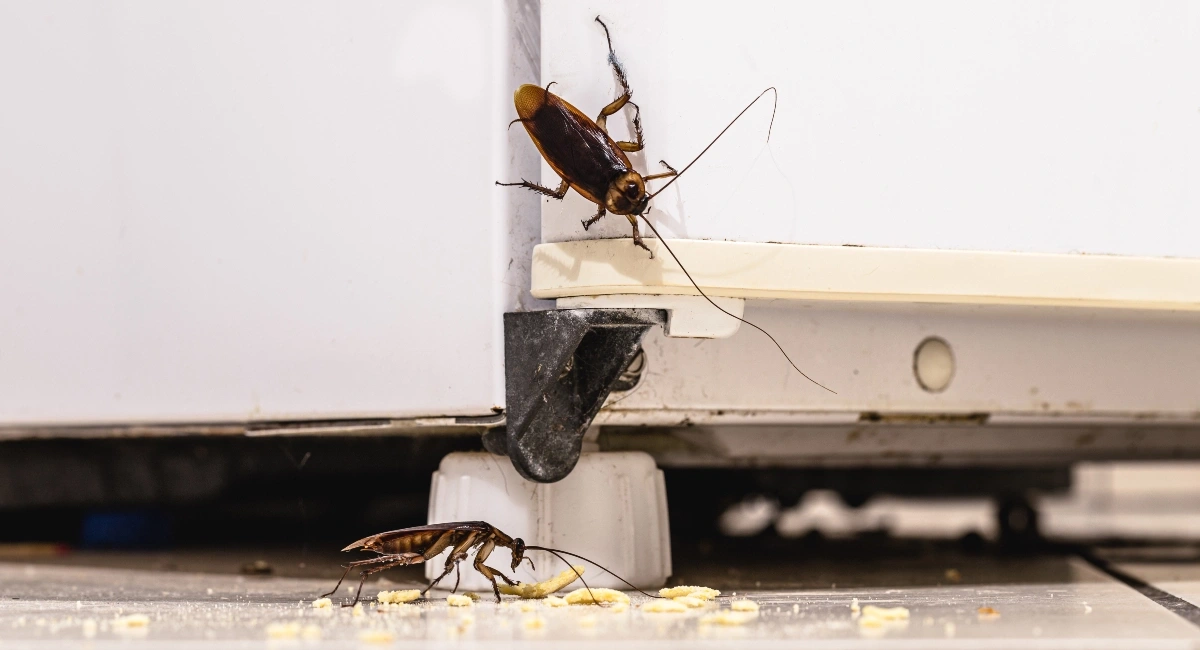
Though there are more than 1,000 species of cockroaches worldwide, only a few are found in NYC homes. German and American cockroaches are common species found in NYC apartments. They are incredibly resilient and hard to eradicate. You should take action at the first signs of infestation to prevent it from spreading.
Cockroaches are typically found in kitchens, bathrooms, moist basements, and lower floors, where they can access hiding spots, water sources, and food. Once installed, they quickly spread through shared walls and plumbing systems. Beyond being a nuisance, cockroaches can trigger allergies and asthma in residents.
Integrated pest management (IPM) is an effective pest control for apartment buildings involving regular inspections, prompt repairs of leaks, and educating tenants on proper food storage and cleanliness.
Spiders
Spiders are another top year-round pest and a major concern for residents with mild or severe phobias. While the mere sight of spiders can cause alarm for some people, most are harmless, and very few bite.
Multifamily buildings with vegetation close to the structure or poorly lit common areas may see more activity, especially in messy storage areas and basements, with plenty of secluded spots for spiders to spin cobwebs. Simple steps like reducing clutter and sealing entry points can help manage spider populations.
Helping residents understand how to prevent spiders in their units can reduce complaints and ease concerns. Your maintenance and landscaping teams also play a key role by trimming exterior vegetation and keeping at least an 18-inch gap between plants and the building. This can help limit spider activity near entrances and windows.
Bed Bugs
Bed bugs are small insects that feed on human blood. Their bites are itchy and can cause allergic reactions. They can be a major problem in buildings with frequent move-ins and move-outs. Bed bugs can spread rapidly between units and are challenging to eliminate without professional intervention.
The NYC Housing Maintenance Code considers bed bugs an immediate violation and requires building owners to provide tenants with a written bedbug history for the previous year. It also stipulates that landlords must correct bedbug issues within 30 days of a complaint.
Utilizing bed bug removal services in NYC, including K9 bed bug detection, can help identify and address infestations early, minimizing disruption to residents. Our K9 teams include a certified handler and a trained bed bug-sniffing dog. This detection method can potentially reduce the total treatment area and the cost of treatment, as well as ensure legal compliance.
Ants
Ant infestations are frustrating for residents and difficult to manage once colonies are established. In NYC, pavement ants and odorous house ants are the common invaders, building colonies inside wall voids, under floors, or behind appliances. Shared kitchens, garbage areas, or poorly sealed units, with abundant food and moist conditions.
Because ants can travel long distances from their nest to a food source, it’s not always clear where they’re coming from, which complicates treatment. While there are plenty of over-the-counter treatments available, they often only tackle the surface issue. You may think you’ve cleared up a nest, only to find it has popped up somewhere else. For pro.perty managers, ant problems often result in repeat tenant complaints, strained relationships, and increased maintenance requests.
Flies
Drain flies, fruit flies, and house flies are repeat offenders in NYC multifamily buildings and are more visible in the warmer months. They are extremely irritating, buzzing around food prep areas and landing on food during meal times, spreading bacteria as they go. Their presence can indicate moisture problems or sanitation issues, but they mainly hang around to feast on uncovered food, sugary beverages, spills, and open trash containers.
Flies are problematic in common areas like shared kitchens, trash rooms, and recycling zones, where food waste is often left exposed. Their persistence can quickly lead to negative impressions of building cleanliness.
Birds
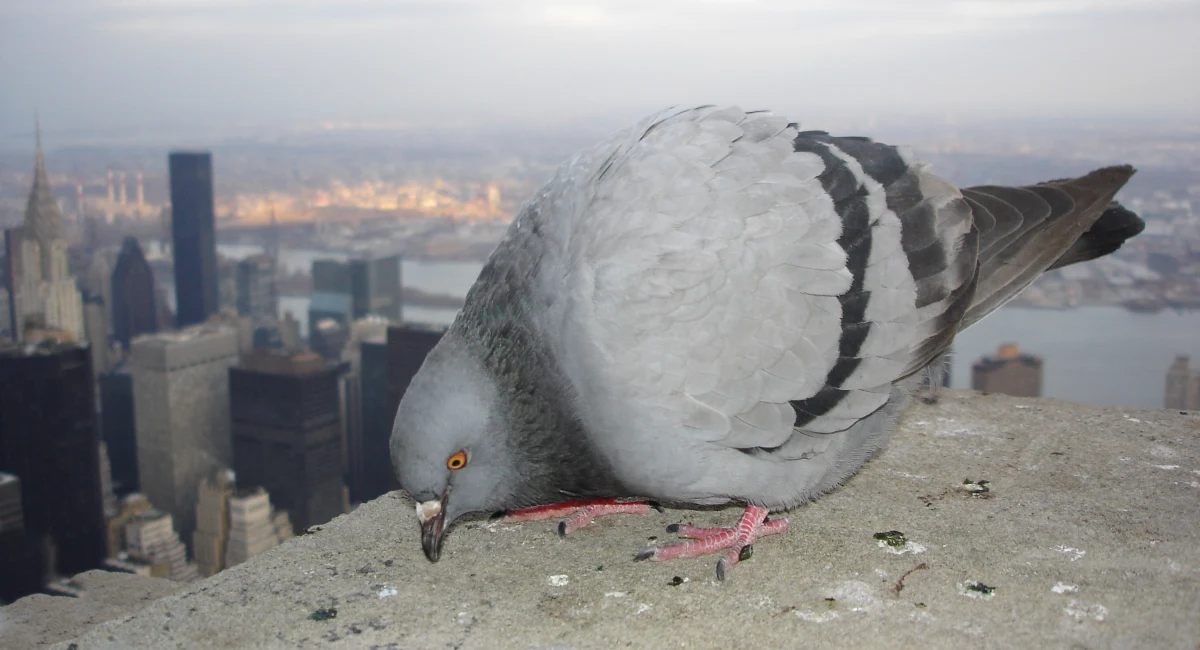
Birds can nest and hover on ledges, rooftops, and HVAC units. Pigeons, in particular, are a big problem in NYC. Their droppings are not only unsightly but also corrosive, potentially damaging signage, building facades, and rooftop equipment.
Accumulated droppings can also be a health risk and attract insects like bird mites. Nesting materials can clog gutters and drainage systems, leading to water damage and internal leaks. For larger properties, this adds ongoing cleanup costs and liability concerns. Bird control netting services can help protect the building facade from the damage and decay caused by corrosive bird droppings.
Wood-boring insects
Wood-boring insects are a problem pest during the spring and early summer months. While termites often get the spotlight, other destructive pests, like carpenter ants and carpenter bees, also bore into wooden structures to nest. They damage buildings by tunneling into untreated or weathered wood, weakening beams, decks, and exterior features.
Carpenter ants can be found in wall voids or damp wood, while carpenter bees dig into exposed wood surfaces to lay eggs, leaving behind round entry holes around half an inch in diameter.. Left unchecked, both can be destructive and lead to costly repairs. Property managers can reduce the risk by repainting, staining, or treating wood surfaces before peak season.
As summer approaches, consult your integrated pest management provider to assess vulnerable areas and plan preventive treatments. An IPM approach to insect control prioritizes prevention, monitoring, and targeted treatment to protect the building’s structure and reduce disruption for tenants.
Why Seasonality Matters in a City That Never Sleeps
NYC’s weather cycle swings from hot, humid summers to cold, damp winters, directly impacting pest activity. Warmer months increase activity among certain pests, while colder seasons drive others indoors in search of heat. Property managers should consider these seasonal shifts and adjust pest control planning accordingly to maximize the results.
Pests to Watch in Spring and Summer
Most residents will be familiar with the seasonal bounty of Spring and Summer pests that can make their lives miserable. Here’s a quick rundown:
- Ants: As temperatures rise, ants become more active, seeking food and water indoors. They enter multi-occupancy buildings through small openings. Ants accumulate around exposed food and trail over surfaces, spreading germs, as they carry scraps back to their nest.
- Cockroaches: Warm, humid summer conditions drive cockroaches from sewers into buildings. They’ll establish nests in moist and damp conditions, like kitchens and bathrooms.
- Flies: Flies are more active in warmer months, when open apartment windows allow access to food and moisture. They also make a beeline for families eating meals on balconies, where crumbs and spills are easy pickings, making fly control essential. Assured Environments offers customers an efficient solution with the Lumina LED fly trap.
Pests to Watch in Fall and Winter
As the seasons change and the warmer months give way to cooler weather, larger pests start to appear on the scene:
- Rodents: Rats and mice move indoors to escape the cold during fall and Winter. In warmer months, they typically live in alleyways, sewers, and outdoor burrows. As temperatures drop, they seek a cozy, warm nesting spot inside walls and near a reliable food source. Rodents will take advantage of gaps near utility lines, foundation cracks, or propped-open doors to enter buildings and find a suitable nesting site.
- Birds: Common NYC bird species, like pigeons, roost in trees during the summer, but winter drives them into man-made structures for warmth and protection. Rooftops, ledges, HVAC units, and signage offer prime real estate for birds when open spaces become less hospitable. Their droppings corrode buildings, stain surfaces, and create slip hazards on walkways. To discourage birds, Assured Environments can install aesthetically pleasing bird netting, tailored to your property size and purpose.
Protecting Your Building All Year Long
Property managers can’t change the weather, but they can limit the conditions that make buildings attractive to pests. Planning ahead for seasonal shifts and acting quickly on tenant complaints are positive steps towards prevention and damage limitation. Working with a pest control provider that understands NYC’s pest pressures can strengthen these efforts and help protect your building all year round.
Our trained technicians provide 24-hour residential pest control services for property owners and managers. At Assured Environments, we use an IPM approach customized for your specific pest and building to ensure you get the right solution for your needs.
Book Your Free Pest Inspection Today
Our local technicians will assess your property and recommend tailored solutions. Fast, friendly, and completely obligation-free.
- Safe, targeted treatments
- Local experts, fast response
- Trusted, trained technicians