© 2026 Ramac US, LLC © Copyright Assured Environments. All Rights Reserved
There are millions of cockroaches roaming the streets of New York, New Jersey, and Connecticut, ready and waiting to infiltrate commercial buildings, particularly those with aging structures, where cracks, clutter, and high foot traffic provide easy entry and protective cover.
Roaches carry bacteria, induce allergic reactions, and can seriously damage a commercial brand’s credibility. Because of this, the knee-jerk response to sightings is often the use of cockroach sticky traps, which are considered a quick fix. However, while they may temporarily reduce visible pest numbers, they fail to address the core infestation, allowing the roach intrusion (colony) to continue multiplying unseen.
So what are the alternatives? Here’s a rundown of the best and worst bites about sticky traps, and what else works.
What Is a Cockroach Sticky Trap and How Does It Work?
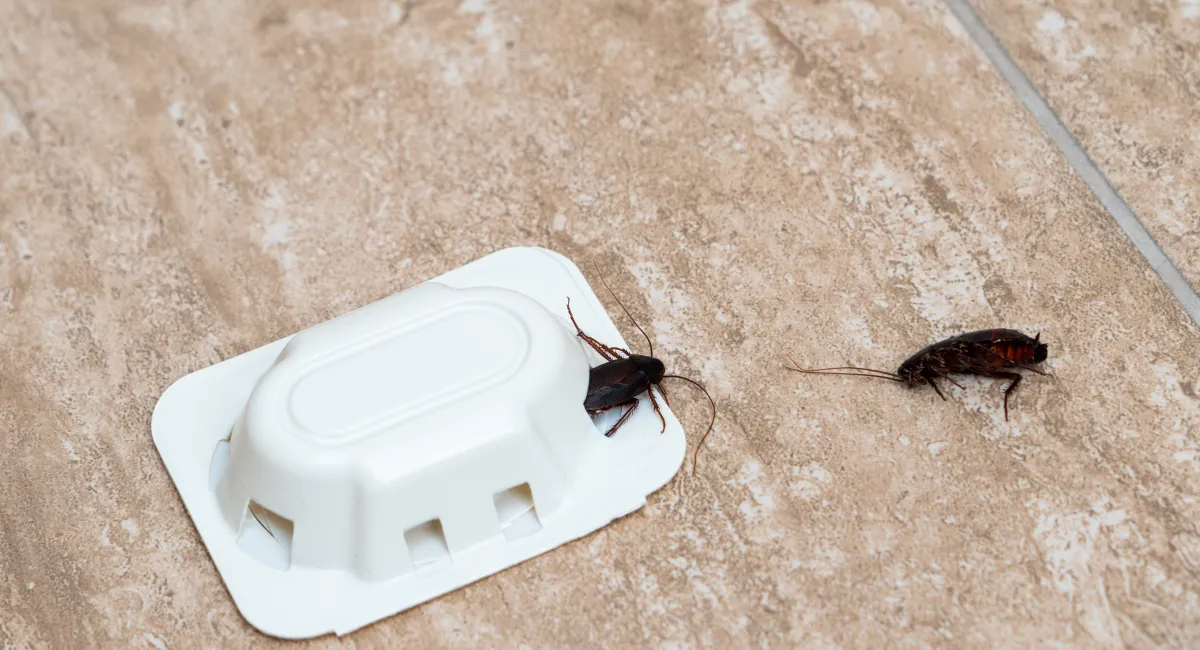
A cockroach sticky trap is a small, often cardboard-based device lined with a strong adhesive. The device is open on both ends, creating a tunnel-like design that encourages cockroaches to walk through. Once inside, the insects become stuck to the glue, making it useful to track numbers.
These traps don’t contain pesticides or poisons. Instead, they rely on strategic placement to intercept roaches as they travel through a space. Cockroach glue traps can catch a range of crawling pests, but they are commonly marketed as sticky traps for cockroaches (sometimes referred to as ‘roach motels’). Due to their non-toxic properties, they can be used anywhere to reduce cockroach activity, including kitchens, break rooms, and storage areas.
Are Sticky Traps Effective In Eliminating Roaches?
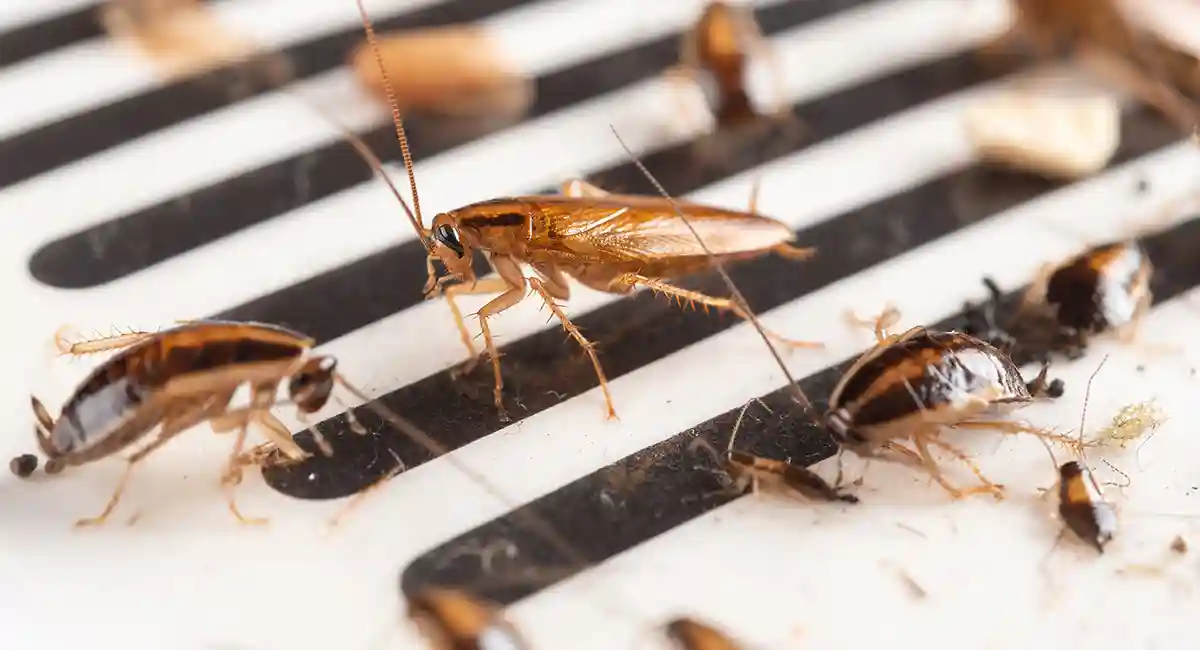
Sticky traps can help spot cockroach activity, but they won’t eliminate an infestation. They work by capturing individual insects as they pass through high-traffic areas. However, sticky traps do not address the root of the problem, as they fail to reach the nests where roaches live and reproduce. As a result, they cannot reduce the population enough to control a large or growing infestation. So, while sticky traps for German cockroaches and other common roach species may catch a few pests, they’re not enough on their own to eliminate intrusions, which is the ultimate goal in high-risk commercial sectors, such as healthcare, food processing, pharmaceutical manufacturing, and property management.
Limitations of Using Cockroach Sticky Traps
There are limits to what cockroach sticky traps can do. Roaches are smart enough to avoid traps once they recognize them as a threat. Traps also lose effectiveness in dusty or damp conditions, which are common in popular nesting sites like basements, kitchens, and utility areas.
They don’t stop cockroaches from nesting behind walls, inside electrical units, or underneath heavy equipment. And because they don’t eliminate the food and water sources that attract roaches, they won’t prevent the infestation from returning.
For businesses operating on tight schedules and within strict health and safety regulations, every delay in treatment or sign of pest activity can result in a failed inspection, reputational damage, or operational downtime.
Best Places to Position Cockroach Sticky Traps
If you're using cockroach sticky traps, placement is key. Focus on areas where cockroaches are most likely to travel or hide. These include:
- Along baseboards or wall edges in office buildings
- Behind hospitality and shared kitchen appliances
- Inside medical cabinets or under cleanroom sinks
- Near trash bins or drains in and around industrial facilities
If you operate a restaurant or hotel, it's essential to regularly monitor kitchens, laundry rooms, and food storage areas. If cockroaches spread into dining areas, they can drive away guests and have a long-term impact on customer trust. In a medical facility, traps should be placed discreetly to avoid disrupting patient care. This also helps maintain a clean appearance while allowing for accurate monitoring.
Remember: traps are tools for monitoring, not removing infestations.
How Many Sticky Traps to Use and How Often to Replace Them
The number of traps you need depends on the building's size, layout, and activity level. For a typical small to mid-sized space, such as a kitchen or storage area measuring around 150 to 300 square feet, use at least three to five cockroach glue traps placed strategically along walls and high-traffic areas.
Traps should be checked regularly, at least once a week, and replaced every two to four weeks, or sooner if they become full or dusty. This helps maintain effectiveness and provides a clearer picture of pest activity.
Where sanitation requires close monitoring like in food or pharmaceutical production, sticky traps may be used sparingly in non-production zones to help track activity without compromising safety protocols. Placement needs to be carefully planned and documented, often as part of broader compliance programs. In schools, daycares, or healthcare buildings, it's advisable to place traps out of sight to avoid upsetting children and visitors.
Sticky Traps vs. Bait Stations and Insecticide Treatments
The main benefit of sticky traps is in gauging the level and extent of roach activity. Conversely, bait stations and insecticide treatments, when used correctly, target colonies and breeding grounds. However, insecticides should be used with caution.
Applying insecticides without proper training can lead to overuse, exposure to hazardous chemicals, or contamination of food-handling areas. Some treatments also require protective gear, especially when applied in enclosed or poorly ventilated spaces. Baits all need to be placed in the correct location to be effective, and over-the-counter insecticides may not reach deep harborages. Sticky traps may catch a few roaches, but only professional-grade methods can eliminate roaches.
Our technicians use traps along with targeted treatments. The data from traps helps pinpoint where to focus efforts for maximum impact.
Why Are Roaches So Difficult To Get Rid Of?
Roaches are built for survival: their tough exoskeletons protect them from crushing and environmental extremes, and their flat bodies can squeeze into spaces as thin as a credit card. They can live off next to nothing (crumbs, glue, damp cardboard), and don’t need much water to survive.
They also reproduce fast. A single female German cockroach can lay dozens of eggs at once, each containing multiple offspring. Within weeks, a hidden nest can turn into a large infestation. In demanding commercial environments, such as busy hotel kitchens or distribution centers, roaches exploit numerous entry points and hiding places. Without expert intervention to break their lifecycle and eliminate attractants, the infestation will inevitably keep coming back.
How Do I Get Rid Of A Roach Infestation In My Business?
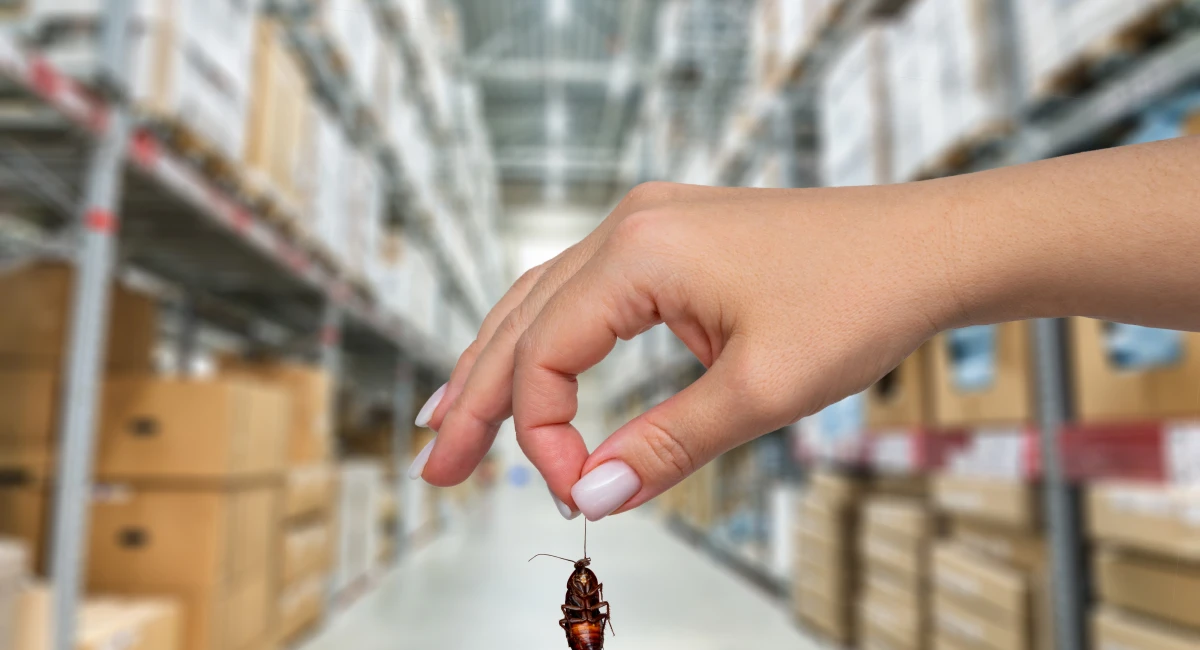
Relying on cockroach sticky traps alone won’t get rid of an established infestation. The most effective way to tackle a roach problem is with a holistic plan that targets both the pests and the conditions that attract them.
At Assured Environments, we help businesses across New York, New Jersey, and Connecticut develop targeted solutions tailored to their specific building layouts, roach species, and risk levels. Whether you're managing a high-rise in Brooklyn, a food production site in Paterson, or a hospital in New Haven, our technicians will inspect, treat, and help prevent future activity.
We use commercial-grade methods, detailed site assessments, and proactive strategies, not just traps, to help eliminate roaches and minimize disruption to your operations.
When Should You Call a Professional Instead of Using Sticky Traps?
For businesses in high-risk sectors, like pharmaceutical and food manufacturing, waiting too long can mean failed inspections, customer complaints, or compliance issues. If your internal efforts aren't stopping the problem, hiring professionals helps protect your team, visitors, and reputation.
At Assured Environments, we understand the pressures facing commercial operations across the New York tri-state area. Our tailored approach is LEED-compliant and includes eco-conscious IPM practices, helping to mitigate the risk and prevent costly disruptions.
Frequently Asked Questions
No. Sticky traps only catch individual roaches. They don’t reach nests or address the cause of the infestation, so they can’t eliminate it on their own.
If you see roaches during the day, find droppings, or notice a strong musty odor, it's time to call in professionals. These signs often mean a larger infestation that trap alone can't handle.
A sticky trap is a small box or strip lined with glue. Roaches walk in and get stuck, which helps track activity, but won’t solve the problem if pests are breeding out of sight.
Book Your Free Pest Inspection Today
Our local technicians will assess your property and recommend tailored solutions. Fast, friendly, and completely obligation-free.
- Safe, targeted treatments
- Local experts, fast response
- Trusted, trained technicians