© 2026 Ramac US, LLC © Copyright Assured Environments. All Rights Reserved
Bed bugs in New York City are more common than most would hope. Year after year, it ranks among the top U.S. cities for bed bug infestations. Reports show that bed bug statistics in major urban centers, including New York, continue to rise. Unfortunately, many infestations occur in commercial properties because of frequent guest or tenant turnover, high traffic, and shared walls that allow bed bugs to move undetected from one unit to the next.
These sectors must uphold high standards of cleanliness and hygiene to protect staff and visitors. If they violate industry regulations, they can incur punitive fines, cancellations, and penalties. Read on for some interesting facts about bed bugs that can help with prevention.
Why New York City Has High Bed Bug Activity
Bed bugs thrive in large, densely populated environments where people live and travel close together. Although hotels and apartment buildings, office blocks, and schools provide endless opportunities for them to spread, these aren’t the only reasons bed bugs are common in NYC.

Dense Housing and Shared Walls
New York’s compact layout plays a major role in its high bed bug statistics. Millions of residents live in multi-unit buildings that offer bed bugs easy pickings as they move between units, through electrical outlets, vents, and shared plumbing lines. A single infested unit can quickly spread throughout a floor or an entire building before anyone realizes there’s an issue.
Commercial properties face similar risks. Hotels, senior living facilities, and college dorms all have multiple rooms close together, creating the ideal environment for bed bug infestations to grow. Even well-maintained buildings aren’t immune; cleanliness doesn’t stop these pests, which can hide in bed frames, furniture joints, or behind baseboards.
Public Transit and Travel Spread
The extensive public transit system and constant flow of travelers make controlling bed bugs in New York City particularly challenging. Bed bugs don’t discriminate between luxury hotels or subway seats; they simply hitch a ride to a new location. A single traveler can unknowingly carry a few bugs in their luggage or clothing, allowing infestations to spread from one location to another in a matter of days.
Bed bugs can survive for months without feeding and remain hidden in upholstery, conference room chairs, or stored furniture, waiting for their next host. The constant movement of people and their belongings provides an ideal network for these pests to establish new infestations quickly across various commercial and residential properties.
Resistance to DIY Treatments
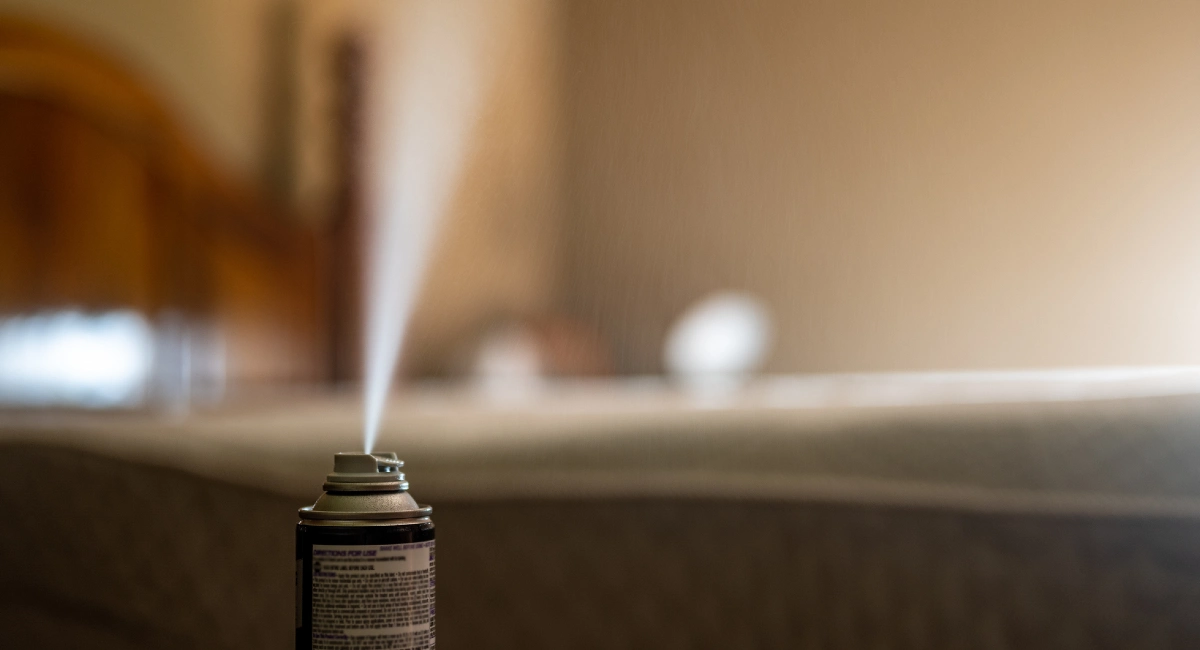
One of the main reasons for persistent bed bug infestations in NYC is their growing resistance to over-the-counter treatments. Many commercial property managers attempt DIY control methods, like sprays or foggers, but these have limitations and often fail to reach bed bugs in hiding. As a result, infestations return quickly.
These pests hide deep inside bed frames, furniture joints, or wall crevices, far from the reach of store-bought solutions. Even when DIY treatments appear effective, surviving bugs or unhatched eggs can restart the infestation within weeks.
Reports of Infestations Over the Years
Public records help to illustrate just how common bed bugs are in NYC. Between 2010 and 2019, more than 185,000 bed bug inquiries were made through the city’s 311 system, according to data published in PLOS ONE (2022). Although complaints have declined recently, thousands of new reports still surface annually across all five boroughs.
This widespread activity demonstrates that infestations affect every part of the city, from high-rise offices in Manhattan to multi-family housing in Brooklyn and the Bronx. It highlights the importance of routine monitoring and proactive prevention. Regular inspections can help detect early signs of activity before it spreads to multiple units or tenants.
Seasonal Bed Bug Trends
Bed bugs are active year-round, but activity in New York City peaks during warmer months. Increased travel and higher humidity create favorable breeding conditions in late spring through early fall. With so many holidaymakers and language students around during these months, hotels, colleges, and short-term rentals are vulnerable to new infestations.
However, colder seasons bring their own challenges. As heating systems run and people spend more time indoors, infested furniture or luggage moved between locations can restart activity in otherwise clear buildings. The perpetual cycle is incredibly frustrating and time-consuming for building managers, so ongoing monitoring and periodic professional services are a useful resource to tap into.
Three of New York’s Most Monstrous Pests
The pests on this list aren’t particularly destructive, or dangerous, but they are freaky to look at as they creep and crawl their way around New York. If you saw a bug and thought it looked like something out of a horror movie, then it might be one of the bugs on this list.
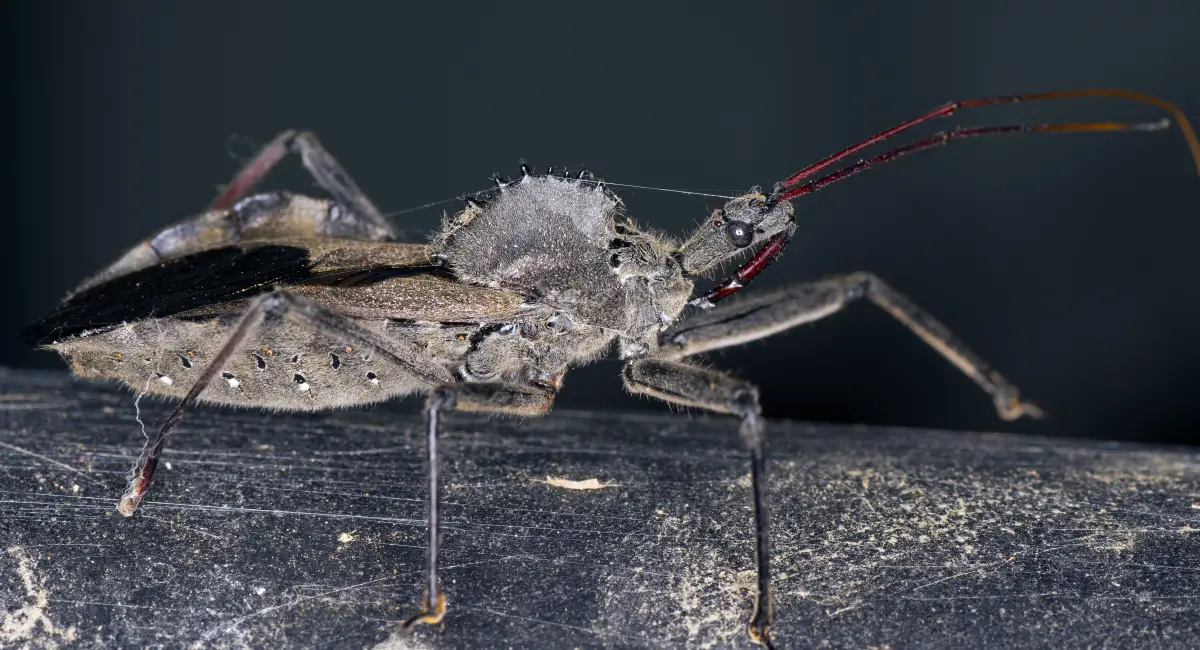
1. Wheel Bug
The wheel bug, or Arilus cristatus, is a member of the Reduviidae family, also known as ‘assassin bugs’ due to their predatory lifestyle. Wheel bugs plunge their sharp ‘beak’ into their prey’s bodies, injecting enzymes to liquefy their prey’s insides, which they then slurp up through their beak. Wheel bugs can’t liquefy our insides (thank goodness), but their bite is considered more painful than a wasp’s sting and lead to localized numbness that can persist for days.
Wheel bugs are one of North America's largest insects and can grow up to 1.5 inches long. Their coloration provides highly effective camouflage, allowing them to easily ambush prey. However, if threatened, they secrete a foul-smelling liquid from their scent glands.
2. Horseshoe Crabs
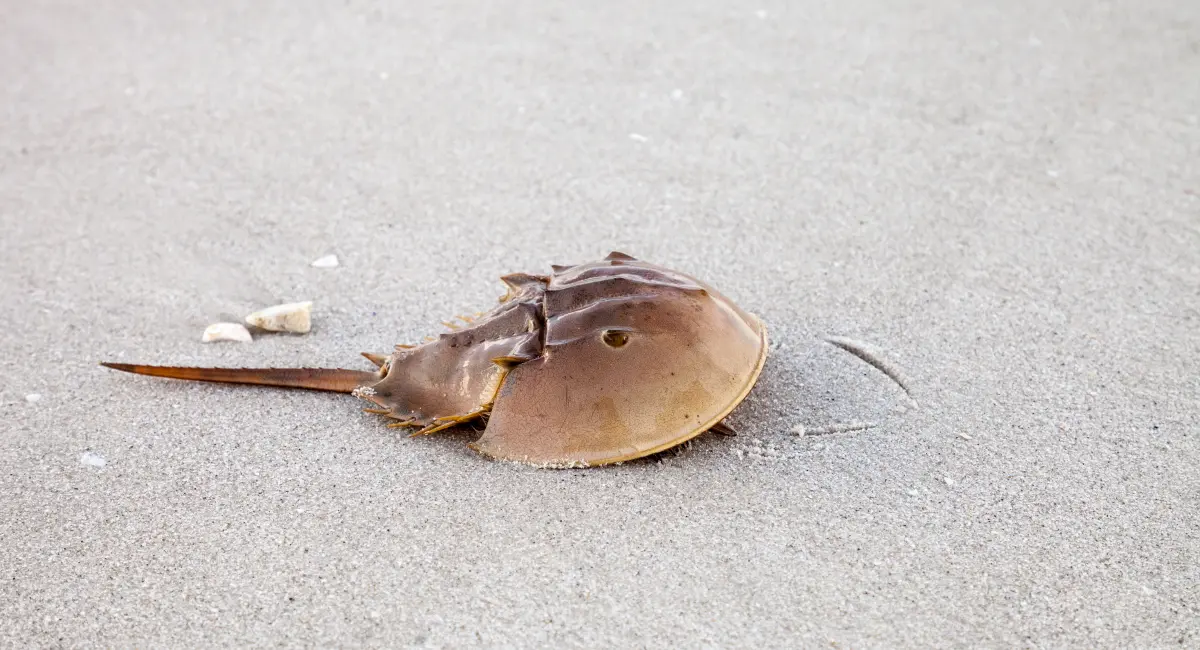
The Atlantic horseshoe crab (Limulus polyphemus) is a surprisingly frequent visitor to New York’s beaches, where they have been thriving for over 400 million years. Despite their name, this species of marine chelicerata is actually more closely related to spiders and scorpions than to crabs.
Horseshoe crabs are sometimes called 'living fossils' due to their prehistoric appearance and ancient lineage. They can grow quite large; females have been measured at up to 24 inches long. They possess eight legs, which they can regrow, and use them to pull clams and mussels into their mouths.
They are unique in having more eyes than limbs. This arthropod has five eyes on its carapace and two each on its underside and mouth, totaling nine eyes.
Their dark brown, horseshoe-shaped shell can host diverse marine life, including algae, barnacles, and bryozoans. So many species can coexist on horseshoe crabs that they are sometimes called 'living museums.' Despite their formidable appearance, horseshoe crabs are entirely harmless.
3. Giant Water Bugs
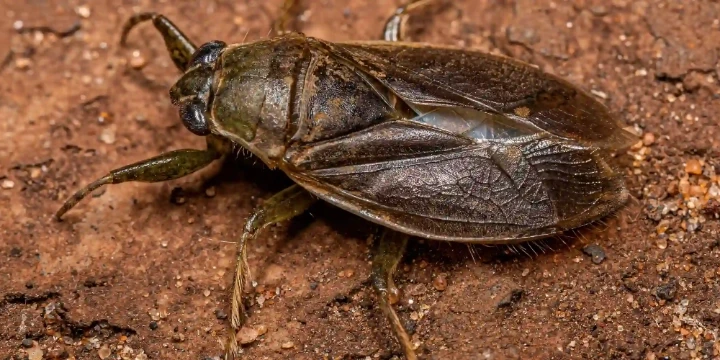
The largest of the 40,000-some insects in the bug Heteroptera family, giant water bugs are often mistaken for large, swimming cockroaches. Depending on your location, you might know these creatures by monikers such as 'toe-biters' or 'alligator ticks.'
Some species can grow to over 4.5 inches long, and their size and power enable them to be aggressive predators of various aquatic prey. Water bugs swim using their flattened, oar-like hind legs to propel themselves through the water. Since they cannot breathe underwater, they regularly surface to take in oxygen through tiny holes called spiracles, located on their abdomen.
Water bugs lie in wait for prey beneath the surface of fresh water, lunging at them when they pass close by. Once prey is within reach, water bugs use their powerful forelegs to grab and hold the unfortunate victim still while injecting it with a paralyzing poison.
Giant water bugs are also particularly notorious for biting the toes of passing swimmers. These formidable insects are known for playing dead when threatened, so if you encounter one, don’t be fooled; it’s best to swim the other way.
Assured Environments is Here to Keep the Creepy Crawlies Away
Remember, no matter what kind of terrifying pest you are dealing with, we’re here to help. Assured Environments has been keeping pests out of New York City businesses for over 80 years.
If you have any critters plaguing your property, get in touch with our expert extermination team today! We’re more than happy to help.
Book Your Free Pest Inspection Today
Our local technicians will assess your property and recommend tailored solutions. Fast, friendly, and completely obligation-free.
- Safe, targeted treatments
- Local experts, fast response
- Trusted, trained technicians