© 2026 Ramac US, LLC © Copyright Assured Environments. All Rights Reserved
Bed bugs are small, brown, oval-shaped insects that like to snuggle up in linens and suck the blood of unsuspecting hosts throughout New York, New Jersey, and Connecticut. They’re a big problem for hospitality, healthcare, and property businesses. The fact they don’t fly, lay hundreds of eggs, and are incredibly annoying, just scratches the surface.
In fact, there’s a lot more to bed bugs than the basics, which is why we’ve put together a list of eight lesser-known facts for you to discover. Ultimately, the more you know about your least favorite pest, the better prepared you are to avoid them and prevent large-scale outbreaks that can ruin reputations and violate compliance.
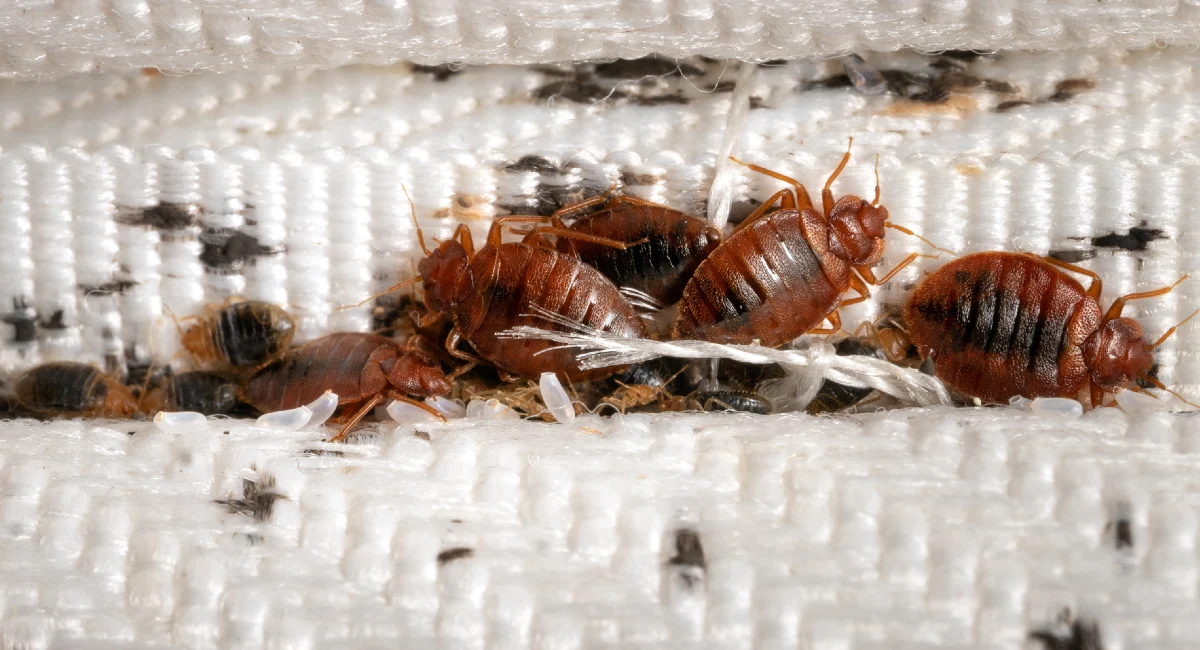
Bed Bug Facts You Should Know
Let's dive into the peculiar world of bed bugs. Explore our list of fascinating facts to uncover more about these elusive creatures:
1. Bed Bug Eggs Are Almost too Small to See
Bed bug eggs measure only about 1 millimeter long, roughly the size of a pinhead. A single female can lay eggs daily and may produce up to 500 eggs over her lifetime. In hotels or dorms, an unnoticed gravid (pregnant) female can silently spread between rooms and trigger a major infestation.
2. Bed Bugs can Ingest Seven Times Their Own Body Weight in Blood
These pests can gorge themselves. A fully fed bed bug can consume many times its weight in blood. To give you scale: that’s like an adult male suddenly holding 120 gallons of liquid. This feeding capacity allows them to survive longer between meals when hosts are scarce, during college breaks, or off-peak seasons, for example.
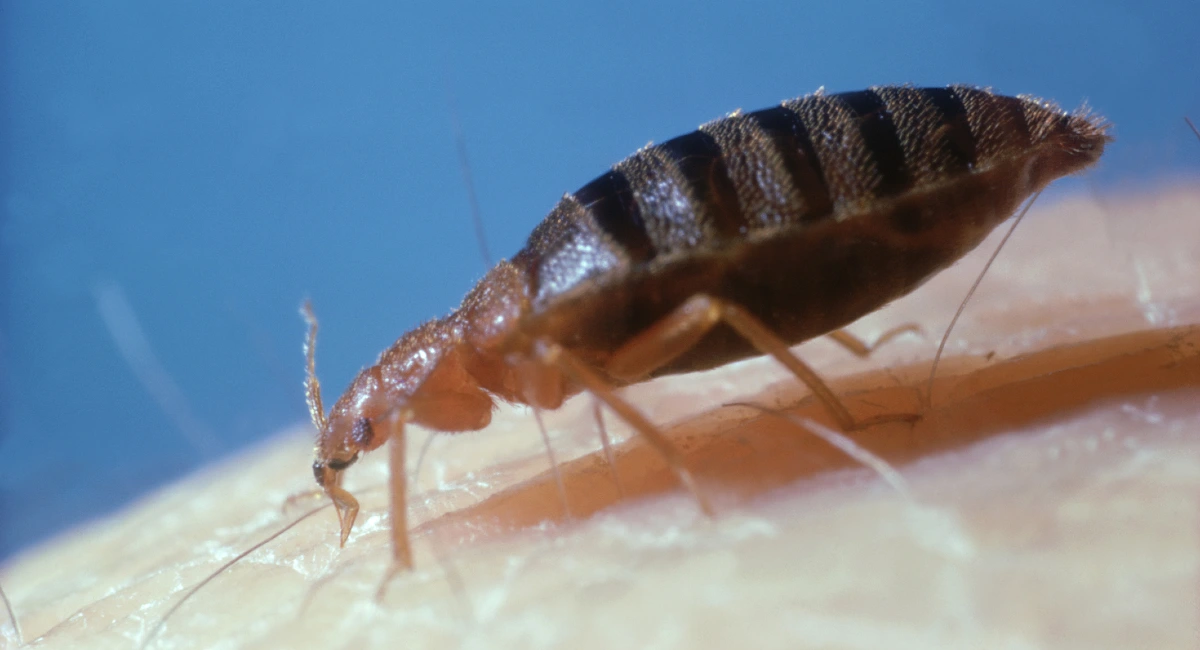
3. Regina Gries Let 20,000 Bed Bugs Bite Her… for Science
Researcher Regina Gries volunteered as a host to help create pheromone traps and better detection tools to improve bed bug pest control methods industry-wide. To do this, she allowed thousands of insects to feed on her at regular intervals in controlled environments. That sacrifice underscores how difficult these pests truly are to manage.
4. Bed Bugs Can Live in Just About Any Environment
Bed bugs are extremely tough and can tolerate a wide range of temperatures, from nearly freezing to about 120°F (49°C), assuming other conditions (like humidity and hiding places) are favorable. They may hide inside box springs, mattress seams, bed frames, and behind baseboards or headboards. This behavior means even thick walls won’t always stop the spread from room to room in multi-unit housing.
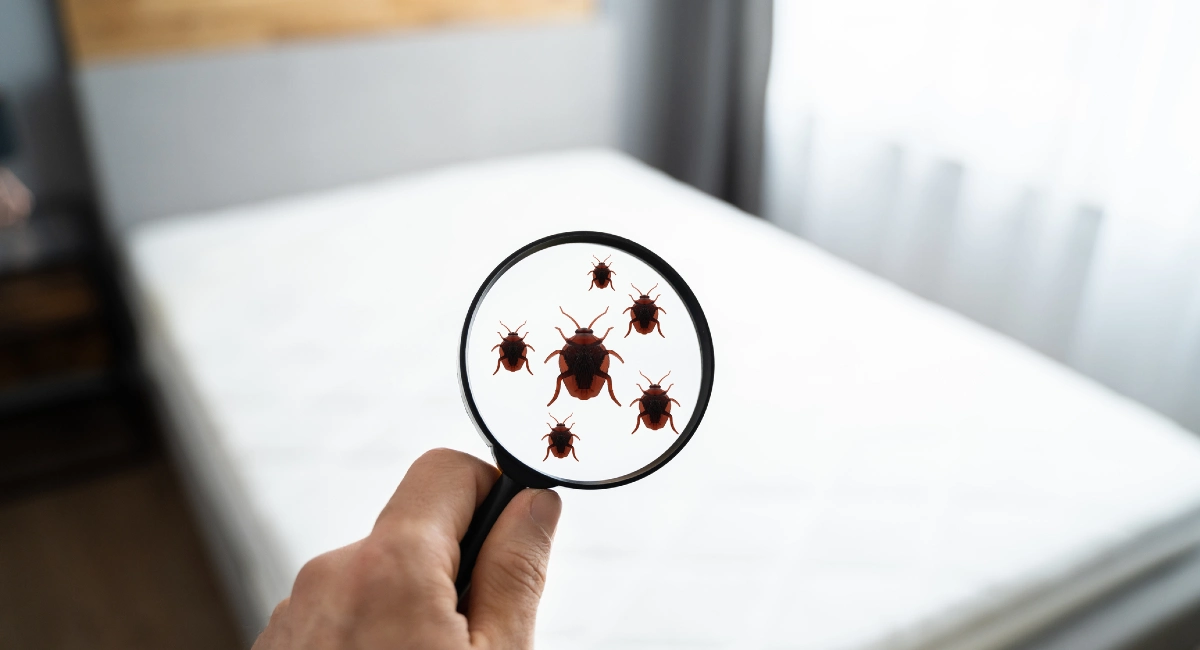
5. Bed Bugs Have Sharp Instincts
Bed bugs have very strong instincts. These allow them to resist the urge to come out during the daytime when their prey could spot them. They only emerge when cues like carbon dioxide, heat, or body odors indicate a host is present. This explains why adjacent units in shared lodgings might attract bugs even if guests never enter them; it’s because they ‘sense’ hiding spots and travel to target hosts.
6. Bed Bugs Resist Pesticides
Historically, chemical pesticides and fumigation were the main tools for eliminating bed bugs. However, they have gradually developed resistance to traditional insecticides. That means old ‘just spray it’ solutions often fail. Today’s pest control requires integrated, multi‑method approaches: heat treatment, steam, targeted residuals, mattress encasements, and preventive protocols. These more advanced options are core services we offer via our commercial pest services.

7. Bed Bugs Are Picky About What They Eat
Unlike some pests, bed bugs feed only on live hosts. They won’t consume cold or spilled blood but must pierce live skin and tap into a blood vessel to survive. That makes them more challenging because baits or traps don’t work. Bed bugs will move around to find live hosts, so they won’t just infest one room but travel through many to feast.
8. Bed Bug Saliva Contains a Mild Anesthetic
Bed bug saliva contains compounds that numb the bite site. That anesthetic effect helps mask the prick, letting the bugs feed without waking the host. Afterwards, people may see itchiness, redness, or welts, but by then, the bugs have already fled.

Get Bed Bug Help From the Professionals at Assured Environments
As you can see, we know quite a bit about bed bugs in the tri-state. The upside of this knowledge is that it makes us good at stopping them. If you have a bed bug problem, the experts at Assured Environments are standing by to help. Our technicians specialize in commercial bed bug control using advanced methods, including highly accurate K9 bed bug scent detection to pinpoint hidden harborages early. From hospitality and education to healthcare and multi-unit living, our targeted strategies eliminate active infestations and include ongoing monitoring and preventive protocols for long-term protection.
Don’t gamble with your property’s reputation or safety. Contact us today so we can assess, treat, and help you safeguard your property.
Bed Bug Frequently Asked Questions
Bed bugs can survive for many months, sometimes up to a year, without feeding, especially in cool, low‑activity conditions. That means an unoccupied hospital, motel, or dorm room doesn’t guarantee freedom from pests.
Many people don’t feel bed bug bites as they happen, thanks to the mild anesthetic in their saliva. Later, bites may show as red welts or itchy spots. Always monitor and treat any suspicious bite patterns.
Current research shows bed bugs are not proven to transmit diseases to humans. However, bites can lead to secondary infections from scratching, and infestations create stress, anxiety, and reputational risks.
Book Your Free Pest Inspection Today
Our local technicians will assess your property and recommend tailored solutions. Fast, friendly, and completely obligation-free.
- Safe, targeted treatments
- Local experts, fast response
- Trusted, trained technicians