800-942-7123 Call Now Book a Free Inspection

Beetles are found almost everywhere in the world, and the tri-state area is no exception. Across New Jersey, New York, and Connecticut, commercial properties grapple with a wide range of beetle species year-round—from wood-boring varieties targeting structural timber to fabric and food-consuming beetles that threaten stored goods and inventory.

While a single beetle sighting may seem minor, an undetected infestation can lead to significant property damage, contaminated products, and compliance concerns. Understanding what beetles look like, how they behave, and what attracts them to your facility is the first step toward effective protection and elimination.

Quick Facts About Beetles

  • There are over 200 beetle species found in New York alone, spanning food, fabric, and wood feeders
  • Beetles belong to the order Coleoptera—the largest order in the animal kingdom
  • Most beetles prefer dark, secluded areas like basements, crawl spaces, and warehouses
  • Their life cycle spans four stages: egg, larva, pupa, and adult—completing in as little as 21 days
  • Beetles rarely bite humans, but some species can contaminate food or cause serious property damage

Common Types of Beetles in the Tri-State Area

If you suspect that you have a beetle infestation, it’s vitally important to know exactly which type of beetle you’re dealing with. Every species has its own behaviors and preferred habitats, which dictate the damage it can cause and the problems it can create.

Small, oval beetles that feed on natural fibers, including wool, silk, and leather. Larvae cause the most damage, creating irregular holes in carpets, upholstery, and stored clothing.

A food-consuming beetle that infests stored meats, dry goods, and animal products. Commonly found in food processing and storage environments, and a significant sanitation concern.

Tiny beetles that target stored grains, cereals, and dry packaged goods. They contaminate food supplies and are a frequent problem in warehouses, grocery distribution, and food manufacturing.

One of the most common stored-product pests, measuring about 3.5 mm. They infest flour, grain, and dry goods, leaving behind cast skins and frass that render products unusable.

A wood-boring species that tunnels through seasoned hardwoods, leaving fine powdery frass and small exit holes. Often introduced via infested pallets or lumber, causing hidden structural damage.

A longhorned beetle that targets softwoods in structural timber. Larvae can tunnel for years inside walls and beams before emerging, making early detection in older commercial buildings critical.

Though beneficial outdoors, Asian lady beetles become a nuisance pest in fall and winter when they invade buildings in large numbers seeking warmth, staining surfaces, and triggering allergy concerns.

Struggling with beetles?

Call now to book your free inspection.

Habitat, Diet, Life Cycle, and Behaviors

Where Do Beetles Live?

Beetles occupy almost every environment—basements, crawl spaces, warehouses, and wall voids. They can thrive in wood and fabric and can be found wherever food is stored.. They prefer dark, undisturbed spaces close to their food source.

What Do Beetles Eat?

Diet varies widely by species. Food beetles target grains, flour, and dry goods. Fabric beetles consume natural fibers, fur, and leather. Wood beetles bore into structural timber, furniture, and hardwood flooring.

Beetle Life Cycles

Beetles undergo four stages—egg, larva, pupa, and adult. The full cycle takes 21 to 27 days under warm conditions. Larvae are the most destructive stage, feeding continuously before pupating into adults. Most adult beetles live for only a few days to a few weeks. However, wood-boring species can live for years, remaining dormant inside timber for extended periods. In some cases, beetle eggs have been known to hatch years after being laid.

Can Beetles Fly?

Yes, but most are clumsy, short-distance fliers. They rely heavily on walking to navigate their environment and rarely take flight unless relocating or responding to environmental changes such as temperature shifts.

Beetle Behaviors

Most beetles are solitary, nocturnal, and poor fliers that prefer to travel on foot. Many burrow into their food source and remain hidden for extended periods, making early detection challenging without routine inspection.
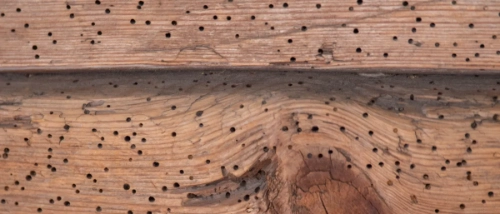
Wood bored by beetles

Signs of Beetle Infestations

  • Small holes in wood surfaces
  • irregular damage to fabrics
  • Chewed packaging around dry goods
  • Fine powdery frass near timber
  • Shedded larval skins
  • Live or dead adult beetles in low-traffic areas

Commercial Concerns with Beetles

Beetles pose a direct threat to commercial facilities that handle stored food, maintain textile inventory, or rely on wood-based infrastructure. A concealed infestation can contaminate large quantities of product before any visible signs appear, leading to costly recalls and failed regulatory inspections. In food manufacturing, warehousing, and retail environments across the tri-state area, proactive beetle monitoring and control are an essential part of any integrated pest management program.

Frequently Asked Questions

A beetle is an insect belonging to the order Coleoptera, meaning "folded wing" in Latin. All beetles share one defining feature: a hardened pair of forewings called elytra, which fold over and protect their fragile flying wings underneath.

No. Despite some visual similarities, cockroaches and beetles are entirely different insect orders. The easiest way to tell them apart is by their wings—beetles have symmetrical wings that part down the middle, while cockroach wings overlap.

Most beetles won't bite humans unless handled roughly. A few species—including stag beetles, longhorned beetles, and blister beetles—can bite in self-defense. Blister beetles are the most concerning, as their bite can cause skin blistering.

Beetles are among the least dangerous insects to humans. They don't carry disease and rarely bite. Their primary risks are property-related—damage to fabric, stored food, and wood—rather than direct health threats.

Yes. Ladybugs—also called lady beetles—are beetles belonging to the family Coccinellidae. There are over 5,000 species worldwide. While they're considered beneficial outdoors for controlling aphids, Asian lady beetles can become a nuisance pest when they invade buildings in large numbers.

For small numbers, vacuuming is often effective. For persistent or widespread infestations, it's important to identify the species involved, remove or treat the food source, and address the conditions attracting them. Contact Assured Environments for a free inspection and a tailored beetle control program.

Find Your Local Branch

Go

Get in Touch

Contact Assured Environments now to arrange a free risk assessment and explore tailored solutions for your commercial site.

About Us

Learn about Assured Environments, the best commercial pest control for New York and the surrounding area. Get Assured Environments pest control services today.