800-942-7123 Call Now Book a Free Inspection

Mealworms are nuisance pests that can cause big problems for businesses in food service, and distribution industries as they eat through grain, cause sanitation problems, and stock loss—plus they cut your profits.

If your business is dealing with a mealworm problem, count on the pros at Assured Environments to take care of it for you.

Businesses in the Tri-State have been relying on Assured Environments for over 100 years to protect them from mealworms, and many other pests.

Read on to find out more about mealworms, their life cycle, where they live, what they eat, the problems they bring, plus how to get rid of mealworms.

Quick Facts About Mealworms

  • Mealworms are the larval stage of the darkling beetle
  • They molt up to 20 times until they become adults
  • They feed by tunnelling through food using their hardened heads
  • Adult mealworms grow wings, which they use to seek out new mates
  • If disturbed or threatened, they release a foul-smelling chemical from a scent gland

What are Mealworms?

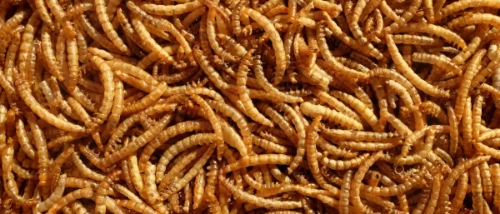
Mealworms are sometimes called mealworm beetles. They are actually the larval stage of the darkling beetle (see life cycle below), specifically the species Tenebrio molitor. So if you’re asking ‘what do mealworms turn into?’, the answer is a darkling beetle. Mealworms are widely known as a nutrient-dense food source for reptiles, birds, and some mammals, and they are known to thrive wherever grain is kept.

Yellow mealworm beetles

Mealworm Beetles

The yellow mealworm beetle is one of the most prevalent stored product pests in commercial environments. Its beetle larvae, commonly known as yellow mealworms, burrow into grain, flour, and bulk dry goods, rendering infested food unfit for use and triggering costly inventory losses.

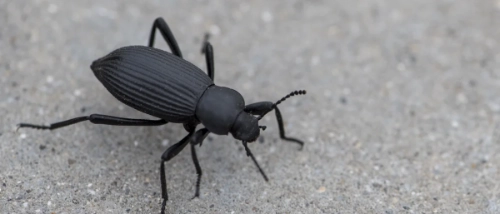
 A darkling beetle crawling over cement

Darkling Beetles

Darkling beetles are closely associated with mealworms, but present their own distinct threat to commercial facilities.

Darkling beetles are known to damage structural insulation in poultry houses, warehouses, and processing facilities.

How are Mealworms Harmful?

Mealworms are not considered harmful to humans or pets. But they are to businesses. Because they infest flour, cereal, and other stored goods in warehouses, mills and food manufacturing businesses. You have to throw away any food that they may have infected, plus check everything nearby. That leads to stock loss, production downtime, damage to brand reputation, and potential fines or shutdowns from audit, and regulatory agencies.

Habitat, Diet, Life Cycle, and Behaviors

Where Do Mealworms Live?

Mealworms love to live in damp, dark, damp, and cool environments where they have easy access to organic food sources. In the wild, they are commonly found under rocks, in leaf litter, and inside decaying logs. Inside, they often inhabit grain stores, mills, and pantries.

Mealworm Life Cycle

Mealworms go through four life cycle stages: egg, larva, pupa, and then they become adult darkling beetles. So mealworms are actually the larval stage of the darkling beetle.

The length of each life stage depends on the environment’s temperature, and the availability of food. Usually they live for 3 to 12 months.

A single female mealworm can produce 300+ small, white, bean-shaped eggs in one go. Mealworm larvae hatch from the mealworm eggs within 18 days, and immediately start eating, moving, and infesting food products.

Mealworms may stay in their larval stage all winter if temperatures are too low. Or they will eat and grow continuously, shedding their skin multiple times until fully grown.

What Do Mealworms Eat?

Mealworms eat anything that’s damp, rotten or moldy. They’ll eat decaying leaves, plant matter, other insects, and dead animals. In your business premises, they’ll eat cereals, grains, seeds, and pet food. Mealworms feed continuously, stopping only to shed their skin.

Mealworm Behaviors

Mealworms molt (shed their skin) up to 20 times until they become adults. As they feed, they tunnel through food using their hardened heads. Once inside the food, mealworms may initially be hard to spot. Fully-grown beetles can’t burrow but grow wings to fly, and seek out new mates.

If disturbed or threatened, mealworms release a foul-smelling chemical from a scent gland.
How To Get Rid of Mealworms

Prevention:

Start by stopping them having any potential shelters or food sources:

  • Remove decaying material e.g. compost, fallen leaves, old vegetation away from your building’s perimeter
  • Monitor cabinets, closets, and storage areas, especially if they hold dry goods
  • Identify dark humid spaces that mealworms love, e.g. in warehouses, basements, roof voids, and pantries

Removal:

  • Identify the source of the mealworm infestation
  • Vacuum up any mealworms you find
  • Throw out the affected food products, grains or organic materials immediately 
  • Thoroughly clean storage areas: vacuum any cracks, and crevices
  • Fill in any gaps, and cracks with caulk or expanding foam
  • Check nearby food sources carefully
  • Regularly check damp, dark spaces for mealworm signs, even after treating a mealworm infestation 
  • Rotate stock regularly
  • Contact a professional pest control control company to eliminate mealworm infestations, and prevent mealworms from coming back

See how Assured Environments can help your business for Mealworm Control Services in the Tri-State Area.

Give us a call to get started with a free inspection.

Frequently Asked Questions

Yes. Mealworms can digest both polystyrene, and polyethylene: the plastics that bags, bottles, and containers are usually made from. They do this using specialized bacteria in their digestive tracts. Some scientists see mealworms as a solution to the plastic problem, but it takes 4,000 worms a week to eat one Styrofoam cup.

Mealworms enter your premises through gaps, and cracks around your foundation. They are actually the larval stage of the darkling beetle, which is found globally in dark, damp environments like grain stores, leaf litter under rocks or in animal burrows. They come from mealworm eggs laid by adult beetles in nutrient-rich organic materials, where the mealworm larvae hatch and begin feeding before eventually pupating.

Yes. Mealworm larvae molt (shed their skin) up to 20 times as their bodies grow, before they pupate into adults. This shedding of their hard outer exoskeleton leaves behind white, papery husks, commonly found in their bedding.

No. Mealworms may startle you, but they’re not dangerous. With small mandibles for eating grains, they usually don’t want to bite through human skin or have the strength.

No. Mealworms are not considered harmful to humans or pets. In fact, they’re a highly nutritious, protein-rich food source for many reptiles, birds, and even people. They don’t sting or carry diseases, but they are pests if they infest flour, cereal, and other stored goods.

Book Commercial Mealworm Control Services

Contact us today for a free, no-obligation quote.

Find Your Local Branch

Go

Get in Touch

Contact Assured Environments now to arrange a free risk assessment and explore tailored solutions for your commercial site.

About Us

Learn about Assured Environments, the best commercial pest control for New York and the surrounding area. Get Assured Environments pest control services today.