© 2026 Ramac US, LLC © Copyright Assured Environments. All Rights Reserved
Mice and rats are a fact of life across the U.S., but that doesn't mean your business has to tolerate them. Rodents damage property, contaminate products, and spread disease, leading to costly repairs, health risks, and potential regulatory action. Whatever your industry, preventing rodent infestations is essential to staying compliant, protecting your reputation, and safeguarding your bottom line.
So which rodents pose the biggest threat in New York, New Jersey, and Connecticut? In this guide, we look at the most common rodents found in commercial settings, the damage they can cause, and how to implement effective rodent control and prevention measures.
Top 3 Rodents to Watch Out For in Businesses
Roof Rats, Norway rats, and House mice are commensal rodents that live closely with humans, relying on them for food, water, and shelter. These opportunistic feeders will move to places where food is abundant, leading to significant problems for businesses. Their presence can cause inventory losses, operational disruptions, and damage to your reputation. In industries like food service, retail, hospitality, or property management, it’s vital to keep an eye out for rodent signs to protect your business.
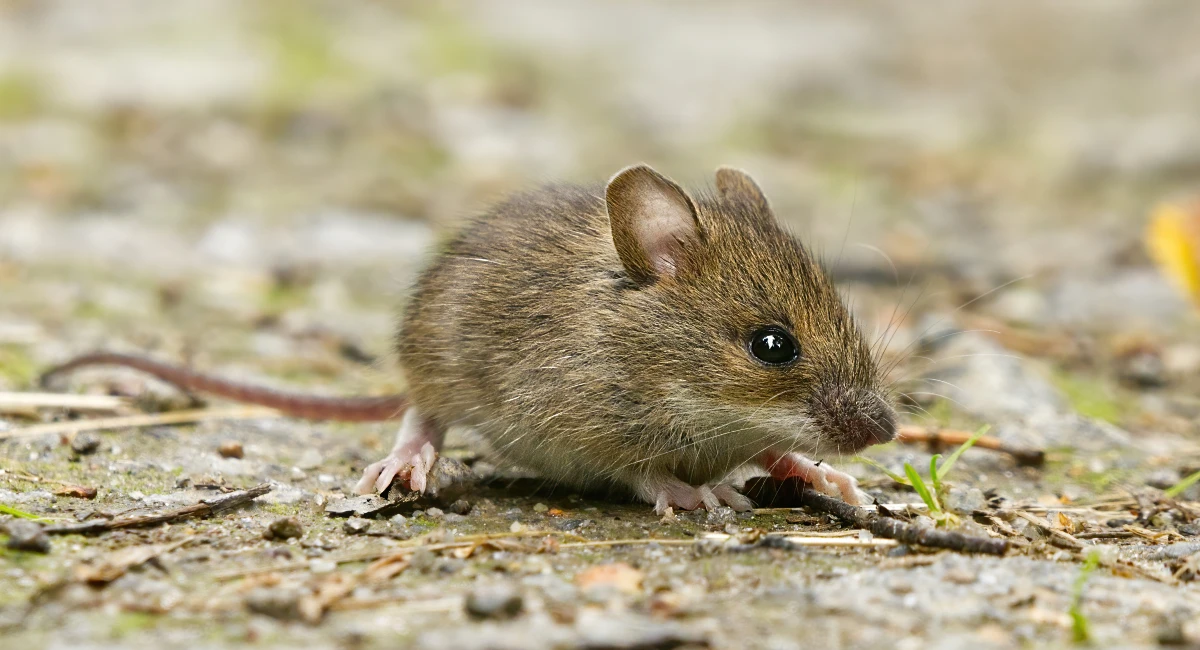
House Mice
House mice are always on the lookout for food and a warm, secure spot to nest. Ranging in color from light brown to dark gray, they typically measure between 2 to 5 inches long. Because they can squeeze through gaps as small as a pencil’s width, it’s important to regularly check and seal any potential entry points to prevent an infestation.
Mice are nocturnal creatures, meaning they’re most active at night when you and your staff may not be around to catch them in action. However, you’ll probably notice signs of their presence, like gnawed baseboards, chewed food packaging, and droppings. Their droppings are about a quarter-inch long, pointy at the ends, and often found in clusters. Mice are attracted to carbohydrates, especially grains, oats, and fruits, and typically nest near food sources, often in walls near kitchens or storage rooms.
How To Prevent House Mice:
Mice will readily infiltrate your business when the environment is welcoming. Request Commercial Mice Control services if you need help, or follow these straightforward, proven prevention tips to help keep your premises secure:
- Clean and Disinfect: Regularly clean and sanitize surfaces in kitchens and food prep areas to remove potential food sources and discourage mice from entering.
- Sealed Containers: Store food in tightly sealed containers and keep it off the floor to make it more difficult for mice to access.
- Seal Holes and Cracks: Block any gaps or cracks in walls and floors with steel wool or caulk, preventing mice from entering your business.
- Maintain Vegetation: Trim trees, shrubs, and plants regularly, and maintain a clear barrier of a few feet between your building and any vegetation to prevent mice from using them as pathways into your space.
Norway Rats
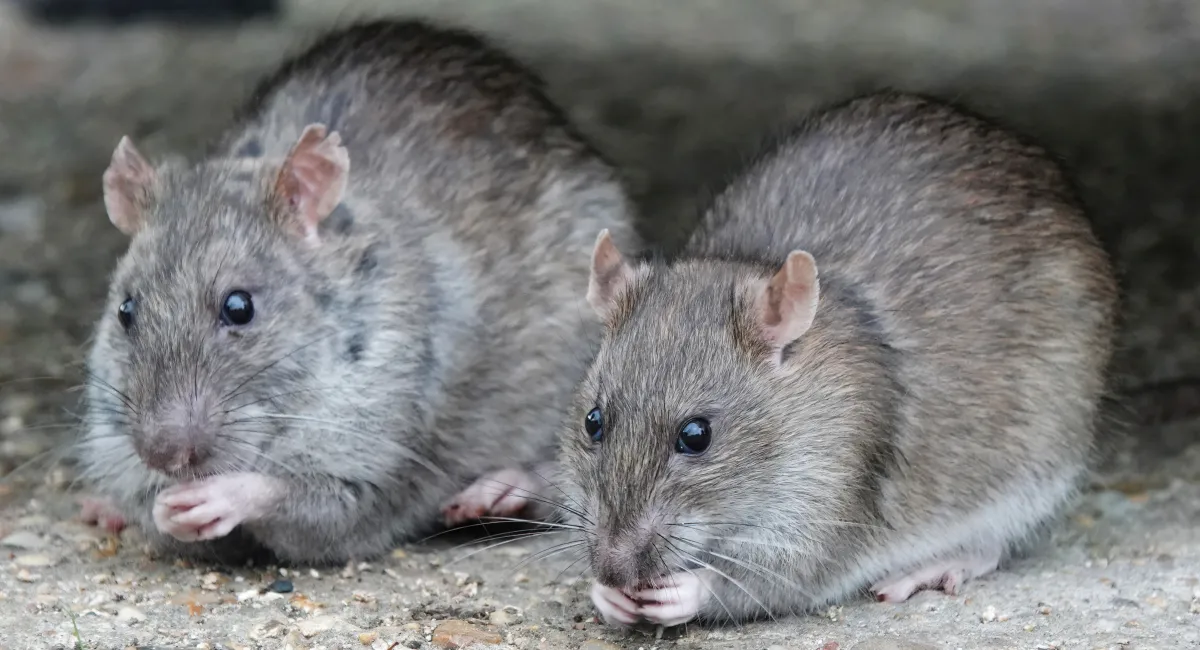
Norway rats, also known as brown rats, street rats, or sewer rats, are omnivorous and have a keen sense of smell that helps them find food. These rodents can grow up to 11 inches in length, have brown or gray fur, and can fit through gaps as narrow as ¾ inch. They reproduce rapidly, with one female capable of producing up to five litters annually.
Known for burrowing, Norway rats often nest underground. When they enter your business, they’ll usually hide in dark spaces like basements or crawlspaces. These rats can spread pathogens that contaminate food and inventory, leading to long-term problems. Keep an eye out for signs like gnaw marks, greasy rodent paths, scampering noises, and droppings that are longer and pellet-shaped, though less frequent than mouse droppings.
How to Prevent Norway Rats
To help prevent Norway rat invasions, implement these simple yet effective prevention methods:
- Clean Trash Receptacles: Regularly clean trash bins and make sure dumpsters are tightly sealed to prevent rats from finding food or shelter.
- Remove Moisture: Eliminate sources of moisture, such as leaks from pipes or faucets, to avoid attracting rats seeking water.
- Trim Vegetation: Prune plants and shrubs around the building to remove potential hiding spots and burrowing areas for rats.
- Store Food Properly: Always store food properly and never leave it exposed, especially overnight, to keep rats from being drawn in by the scent of an easy meal.
Roof Rats
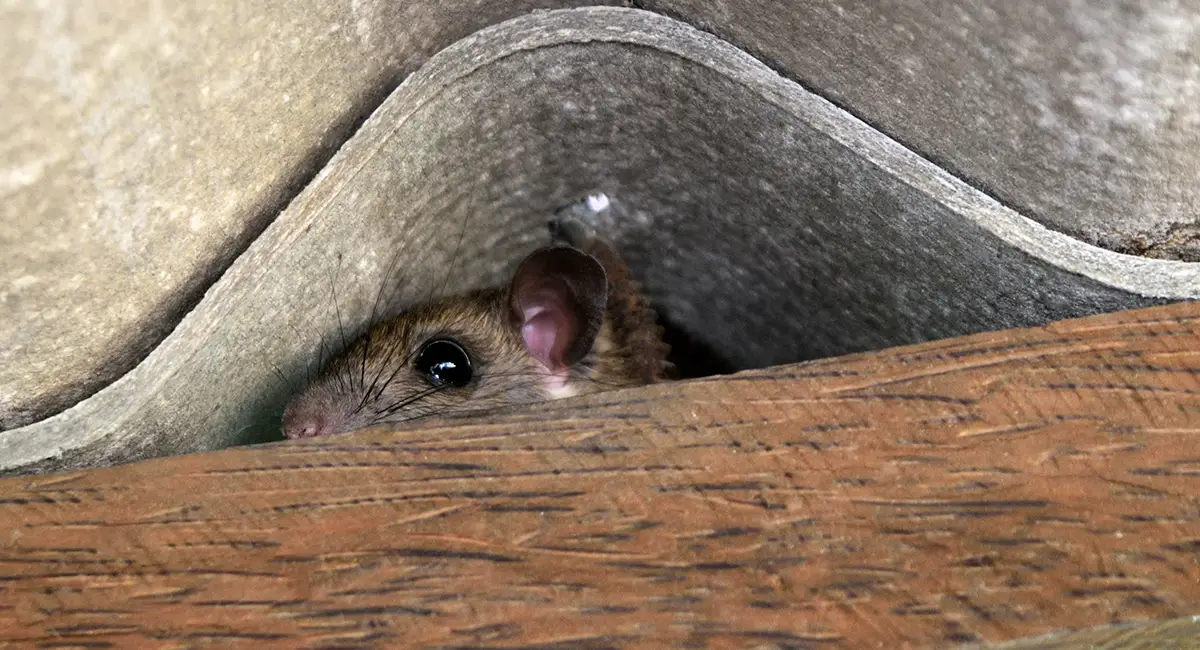
Roof rats are typically found outdoors but frequently enter businesses seeking food and shelter, particularly in spaces like attics, roofs, and chimneys. They are skilled climbers who can easily travel from tree branches or power lines to a building’s roof. Once there, they can squeeze through small openings, even those as small as a quarter.
Roof rats, generally light to dark brown, are smaller than Norway rats, growing up to 8 inches in length. While they mainly consume seeds and plants, they will chew through almost any material, including plastic and soft metals, to access food. They also hoard food for later consumption. Evidence of their presence includes gnawing marks, electrical damage from chewing on wires, greasy rub marks along their paths, and droppings about ½ inch long with sharp ends.
How To Prevent Roof Rats:
Roof rats can quickly invade your business if the conditions are right. Use these straightforward and effective techniques to help keep them out:
- Maintain Cleanliness: Keep food prep and storage areas tidy, ensuring all food is properly sealed and stored to avoid attracting rats.
- Trim Trees: Prune any tree branches that hang over or touch the roof to stop rats from using them as a route onto the roof.
- Inspect and Seal: Regularly inspect the roof for holes or gaps and seal them to prevent rats from entering your building.
- Dispose of Waste: Consistently remove garbage and store dumpsters securely to minimize the risk of rats being attracted to food waste.
What Assured Environments Can Do About Your Rodent Problem
Assured Environments offers comprehensive commercial rodent control tailored to your business. Our trained technicians carry out detailed property inspections, develop customized treatment plans, and use an Integrated Pest Management (IPM) approach, including exclusion services, strategic baiting and trapping, sanitation recommendations, and ongoing monitoring.
We remove rodents safely and effectively with minimal disruption to your operations, and provide full documentation and reporting to support your compliance with health codes and industry regulations. Get in touch today to protect your property, your reputation, and your bottom line.
Frequently Asked Questions
Rodents can trigger violations from the FDA, USDA, or local health departments, leading to failed inspections, fines, mandatory closures, or loss of accreditation. Many jurisdictions require businesses to maintain detailed pest control logs, and failure to demonstrate proper rodent control can result in legal penalties or permanent closure in severe cases.
Rodents constantly gnaw on electrical wiring to keep their teeth trimmed, removing protective insulation and creating exposed wires that can short-circuit and spark fires. They can also damage HVAC systems, refrigeration units, and other critical equipment, resulting in costly repairs, equipment downtime, and potential fire damage.
Mouse droppings are small (about ¼ inch long), pointed, and resemble dark grains of rice, typically found in clusters near food sources. Rat droppings are significantly larger; Norway rat droppings are about ¾ inch long and capsule-shaped with blunt ends, while roof rat droppings are about ½ inch long with pointed ends.
Book Your Free Pest Inspection Today
Our local technicians will assess your property and recommend tailored solutions. Fast, friendly, and completely obligation-free.
- Safe, targeted treatments
- Local experts, fast response
- Trusted, trained technicians