© 2026 Ramac US, LLC © Copyright Assured Environments. All Rights Reserved
Hospitals across the Tri‑State area often occupy buildings that pre‑date World War II and have been expanded over decades. Beneath these campuses lies a network of mechanical basements, boiler rooms and utility tunnels that connect to city steam, chilled water and electrical grids. These subterranean spaces house critical systems and supplies yet seldom receive the same attention as patient floors. Because they’re out of sight, they become entry points and a haven for pests and create vulnerabilities for healthcare pest management. Identifying and sealing these weak spots before rodents and cockroaches seek shelter is essential to prevent them from migrating into patient care zones.
Why Basements Are Vulnerable
Structural Openings and Utility Penetrations
Old New York buildings often have crumbling mortar, damaged vents and gaps around plumbing or electrical conduits. Rodents squeeze through holes the size of a quarter and enter mechanical rooms and crawl spaces. Vibrations from subway trains can widen cracks over time. During colder months, hospitals experience increased rodent activity as they seek warmth. Rodents can damage equipment and pose infection risks, urging facilities to seal cracks and manage vegetation.
Moisture and Drainage
Basements are inherently damp due to condensation on pipes, steam leaks and occasional flooding. Stagnant water in floor drains and mop buckets becomes a breeding ground for cockroaches and drain flies. In older hospitals, drain traps may dry out, allowing sewer gases and pests to enter through plumbing lines. Maintaining proper drainage and regularly flushing drains are key to keeping pests at bay.
Clutter and Hidden Pathways
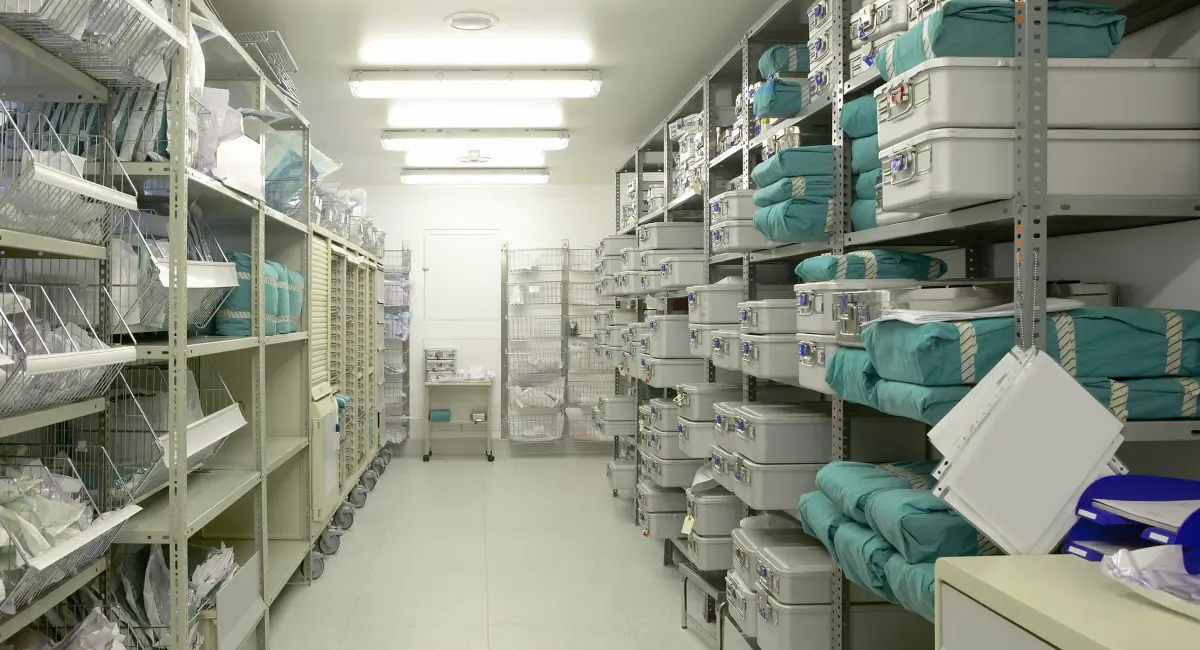
Basement storage areas often contain unused equipment, linens and boxes, providing nesting material and hiding spots. Moisture from leaks or condensation further attracts pests. Many urban hospitals also share walls with city sewers or subway tunnels. Norway rats thrive in these environments and can access basements through cracks, broken grates or sump pits. Once inside, they chew wires, gnaw through packaging and contaminate sensitive medical equipment. Without regular inspections, infestations can grow undetected until pests migrate upstairs.
Key Pests in Healthcare Basements
Basement infestations often begin with Norway rats or house mice that squeeze through tiny holes, chew wiring and contaminate surfaces. American and Oriental cockroaches (waterbugs) thrive in damp boiler rooms and drain sumps, feeding on organic debris and spreading pathogens. Drain flies breed in floor drains and sump pits; our fly & drain treatments eliminate these breeding sites.
- Inspect and seal entry points: Conduct thorough inspections of mechanical and storage levels. Seal cracks, install door sweeps and use mesh or caulk around pipes and vents.
- Control vegetation and exterior conditions: Trim bushes and remove debris near exterior walls. Maintain drainage systems to prevent standing water.
- Improve sanitation: Keep storage items off the floor and away from walls. Dispose of unused equipment and maintain a regular cleaning schedule.
- Monitor rodent activity: Use traps and monitoring devices in basements to detect early signs. Document sightings and adjust control measures.
Integrated Solutions for Basements
Protecting the hidden heart of your facility requires coordinated actions:
- Exclusion and proofing: Conduct thorough inspections of mechanical and storage levels. Seal cracks with mortar or steel wool, install door sweeps and use mesh or caulk around pipes and vents. Trim vegetation and maintain drainage systems to prevent standing water.
- Drain and sanitation programs: Flush drains regularly and remove organic buildup. Our fly & drain treatment services combine enzymatic cleaners with physical removal to eliminate breeding sites, while site disinfecting services reduce microbial hazards after pests are removed. Keep storage items off the floor and away from walls, dispose of unused equipment and maintain a regular cleaning schedule; moisture control and airflow prevent mold and discourage pests.
- Monitoring and early detection: Use traps, remote sensors or digital monitoring devices in basements to detect rodent and insect activity early. Document sightings and adjust control measures. Pair these devices with rodent control services and fly light traps for rapid response.
Assured’s Approach & Local Expertise
Assured Environments has protected commercial and healthcare clients in New York since 1934. As the oldest unionized pest management company in the region, our team of more than 200 professionals, including entomologists and canine inspection teams, understands the unique challenges posed by Tri‑State infrastructure. We customize pest management plans based on a building’s architecture and use, working directly with facility managers to develop strategies that account for basements, tunnels and service areas. Our union‑trained technicians are familiar with New York City codes and maintain certifications through the National Pest Management Association. Whether you need rodent management, fly control solutions or a full healthcare facility pest control program, Assured offers peace of mind.
Conclusion & Next Steps
Basements, boiler rooms and mechanical tunnels are often overlooked yet critical to hospital pest management. Taking proactive steps to seal gaps, manage vegetation and monitor activity ensures that rats, mice and cockroaches don’t gain entry. Extend your pest control program beyond patient‑facing areas and protect the hidden heart of your facility. Assured Environments can help you develop a customized plan that integrates exclusion, sanitation and monitoring while leveraging our decades of local expertise.
Ready to protect your facility before fall? Contact Assured Environments today to schedule an inspection and discuss a tailored service plan.
Book Your Free Pest Inspection Today
Our local technicians will assess your property and recommend tailored solutions. Fast, friendly, and completely obligation-free.
- Safe, targeted treatments
- Local experts, fast response
- Trusted, trained technicians