© 2026 Ramac US, LLC © Copyright Assured Environments. All Rights Reserved
Quick Facts About Bed Bugs
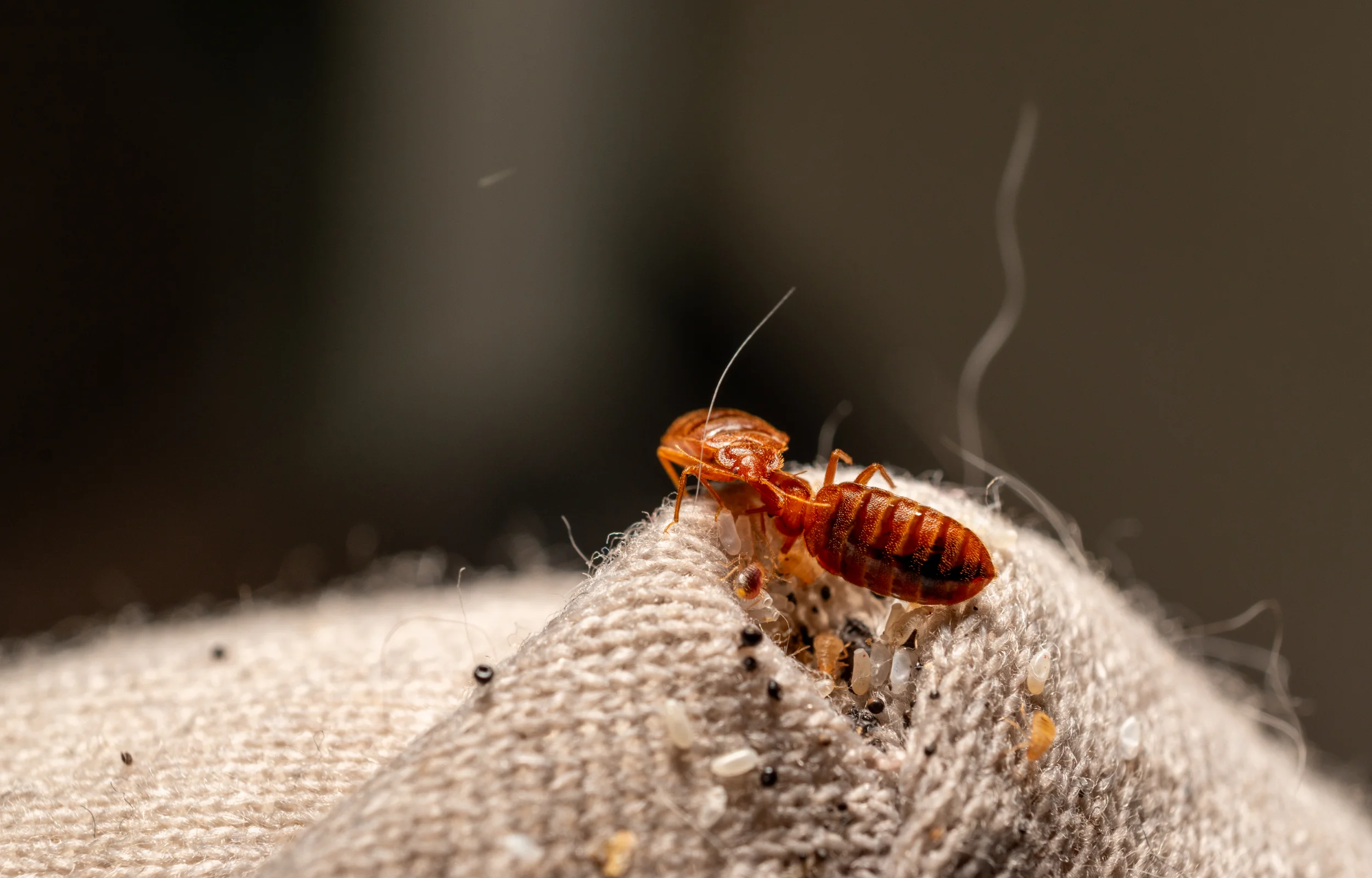
- Bed bug larvae are tiny, pale yellow or translucent insects that turn reddish-brown after feeding.
- Carpet beetles are distinct insect species and not bed bugs.
- Bed bug infestations typically become noticeable within a few weeks to several months.
- Aerosol foggers and insect bombs are ineffective for eradicating bed bugs.
Every hotel in the Tri-State Area faces the same uncomfortable reality: bed bug hotel infestations can happen at any property regardless of star rating, cleanliness standards, or price point. What separates a recoverable incident from a reputational crisis is how fast your team responds and how well your protocols hold up under pressure. This guide covers what every hospitality operator in New York, New Jersey, and Connecticut needs to have in place.
- Train housekeeping to inspect every room daily
- Quarantine suspected rooms before confirming activity
- Relocate affected guests with a clear protocol
- Schedule proactive commercial K9 scent detection sweeps
- Protect your brand with fast, documented responses
The Financial & Brand Risk of Bed Bugs In Hospitality
When guests encounter bed bugs in a hotel, the fallout goes beyond a single refunded stay. According to the National Pest Management Association, 97% of pest control professionals treated for bed bugs in the past year, confirming how widespread the issue remains across the lodging industry. For hotels in New York, New Jersey, and Connecticut, premises liability law requires operators to maintain safe and sanitary conditions for guests. A failure to act on known or suspected activity can establish negligence, opening the door to lawsuits, compensation claims, and regulatory scrutiny that hits both revenue and long-term hospitality brand reputation.
Social Media & Review Site Impact (TripAdvisor, Google Reviews)
A single bed bug complaint on TripAdvisor or Google Reviews can influence thousands of booking decisions. Negative posts often rank prominently in search results, making swift resolution and professional follow-up essential to limiting lasting damage to your online reputation.
Direct Costs: Out-of-Service Room Revenue Loss vs. Extermination
Out-of-service (OOO) room downtime during treatment creates immediate revenue loss, but delaying action compounds the problem. Spreading infestations multiply treatment costs, extend closures across additional rooms, and increase the likelihood of guest complaints and legal exposure.
Housekeeping SOP: Daily 5-Minute Room Inspection Checklist
What do hotels do to prevent bed bugs from gaining a foothold? The answer starts with a structured daily housekeeping inspection Standard Operating Procedure (SOP) built into every room turnover. A focused five-minute visual check during routine cleaning gives your team the best chance of catching activity before it spreads. Staff should use a bright flashlight and follow the same inspection sequence every time, working from the bed outward to seating and soft furnishings, so nothing gets skipped during a busy shift.
Primary Zones (Mattress Seams, Box Springs, Headboards)
Start with early harborage identification (mattress seams, headboard voids) by checking piping, tufts, and corners of the mattress. Lift the box spring and inspect the underside. Examine the back and mounting brackets of the headboard for fecal spots, shed skins, or live insects.
Secondary Zones (Luggage Racks, Upholstered Seating, Drapery)
Inspect luggage rack joints and straps, upholstered chair seams, sofa cushion folds, and the bottom hems of drapery panels. These secondary zones often harbor early activity that migrated from the bed area.
Bed Bug Signs
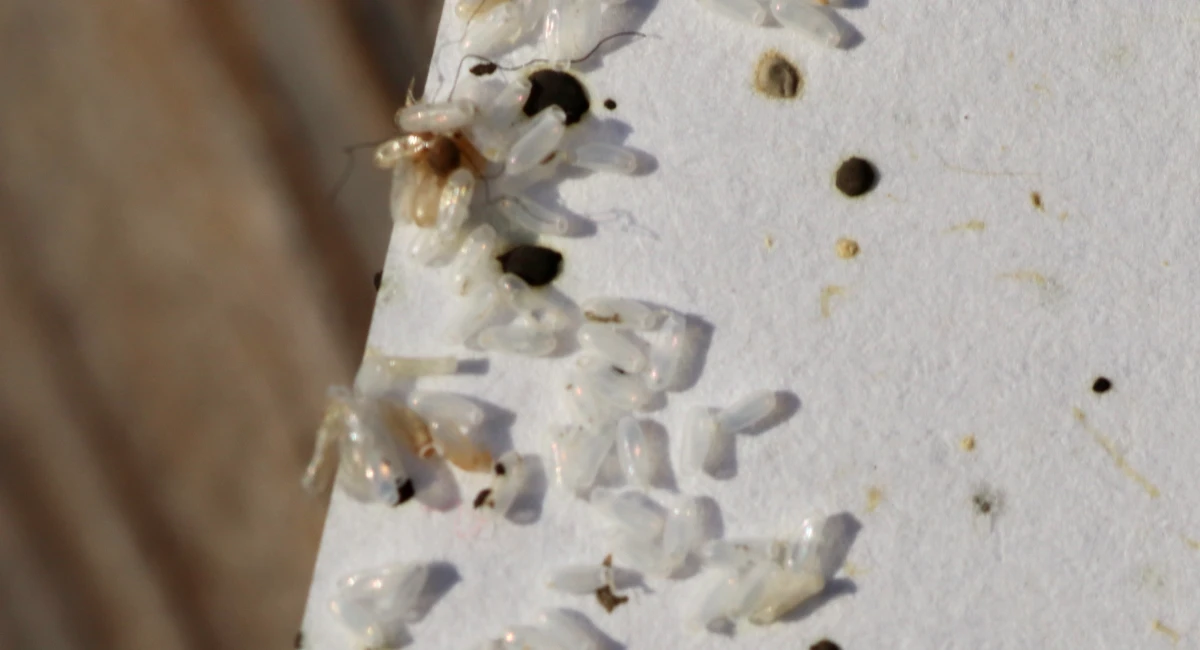
Train staff to recognize dark fecal marks, small blood spots on linens, translucent shed skins, and pearl white eggs roughly the size of a pinhead. Live bed bugs are flat, reddish brown, and about the size of an apple seed.
Mandatory Protocol Upon a Suspected Sighting
Knowing what to do if bed bugs in hotel rooms are suspected is what separates a contained incident from a building-wide problem. Your staff needs a clear, repeatable protocol that starts the moment anyone spots a live bug, fecal evidence, or a guest complaint. Speed matters, but so does protecting the chain of evidence. Skipping steps at this stage can compromise both the treatment outcome and your legal position if a guest pursues a claim. Every action from this point forward should be documented in writing.
Lock the room out of inventory immediately. Notify the duty manager and your pest management provider within the hour. Do not attempt to clean, spray, or remove bedding. Log the time, room number, and description of what was found.
Flag every room sharing a wall, floor, or ceiling with the suspected room. This cloverleaf isolation rule covers the rooms to each side, directly above, and directly below. Remove all flagged rooms from availability until inspections are complete.
Leave all bedding, furniture, and luggage in place. Photograph the evidence and seal the room. A commercial K9 scent detection team certified under NPMA standards can then verify the extent of activity across the flagged rooms without disturbing harborage sites.
Guest Relations & PR Risk Management
How your front-of-house team handles a bed bug situation in real time directly shapes whether the incident ends at the front desk or escalates to a public review, a social media post, or a legal claim. A calm, empathetic, and well rehearsed response protects the guest relationship and your brand. Staff should never dismiss a complaint, argue about the source, or suggest the guest brought the problem with them. Every interaction should follow a scripted guest relocation protocol that prioritizes the guest's comfort and privacy.
How Front Desk Staff Should Handle Guest Complaints Discreetly
Acknowledge the complaint immediately, apologize without assigning blame, and offer a room change or accommodation upgrade on the spot. Move the conversation to a private area if possible. Never discuss the situation within earshot of other guests.
Guest Relocation & Belonging Decontamination Procedures
Follow your guest relocation protocol by moving the guest to a room in a different section of the building, away from the flagged zone. Offer complimentary laundering of all clothing and luggage inspection. Bag and transport belongings separately to prevent potential transfer to the new room.
Professional Elimination Strategies For Hotels
Over-the-counter sprays and foggers aren't reliable enough for hospitality brand reputation protection. Bed bugs hotel infestations require professional treatment methods that eliminate all life stages, from eggs to adults, without leaving chemical residues that could affect guest health or trigger regulatory issues. Hotels in New York, New Jersey, and Connecticut should work exclusively with licensed pest management professionals who carry state-specific certifications required by law.
Rapid Commercial Heat Treatment (Zero Chemical Residue & Fast Room Re-entry)
Rapid heat remediation / thermal treatment raises the room temperature to levels lethal to bed bugs at every life stage, with zero chemical residue and significantly faster room re-entry compared to traditional methods. Most treated rooms can return to service within 24 hours.
Proactive K9 Scent Detection Inspections For High-Density Lodging
Scheduling regular commercial K9 scent detection sweeps across your property catches activity before guests ever notice it. For high-occupancy hotels, quarterly inspections of guest floors and monthly checks of high-turnover rooms provide the strongest preventive coverage.
Staff Training & Prevention Workshops In NY, NJ & CT
Your housekeeping and maintenance teams are your first line of defense, but only if they know exactly what to look for and how to respond. Ongoing training programs tailored to the hospitality environment build confidence and consistency across shifts.
In the Tri-State Area, hotels must also account for state-specific obligations. New York State law requires that only pest control professionals licensed by the Department of Environmental Conservation handle insecticide applications. Training your staff to identify, document, and escalate rather than attempt treatment on their own keeps your hotel compliant and your response effective.
On-Site Multilingual Housekeeping Training Programs
Offer hands-on training sessions in the primary languages spoken by your housekeeping staff. Cover identification, inspection technique, documentation, and the escalation chain, so every team member can act confidently regardless of language background.
Schedule a Commercial Hospitality Audit
Book a comprehensive property audit with a licensed pest management provider. An audit covers guest rooms, common areas, laundry facilities, and storage spaces, giving you a complete picture of current risk and a tailored prevention plan for your property.
Frequently Asked Questions
Respond with empathy, resolve the immediate concern with a room change or refund, and follow up in writing. A fast, professional response often prevents the post entirely and demonstrates your commitment to guest satisfaction.
Rapid heat remediation / thermal treatment can return most rooms to service within 24 hours. Traditional chemical treatments may require longer out-of-service (OOO) room downtime depending on the severity and the number of follow-up visits needed.
The cloverleaf rule means flagging every room sharing a wall, floor, or ceiling with the confirmed room. That includes both side rooms, the room directly above, and the room directly below for inspection before returning them to service.
Book Your Free Pest Inspection Today
Our local technicians will assess your property and recommend tailored solutions. Fast, friendly, and completely obligation-free.
- Safe, targeted treatments
- Local experts, fast response
- Trusted, trained technicians