© 2026 Ramac US, LLC © Copyright Assured Environments. All Rights Reserved
Even the most manicured commercial properties are not immune to tick Season in New York. For businesses, an uptick in activity is a liability and safety concern for employees, tenants, and visitors. From high-traffic NYC courtyards to sprawling corporate campuses in the Hudson Valley, proactive management is the only way to mitigate the risk of tick-borne illnesses like Lyme disease.
At Assured Environments, we don't just "spray for bugs." We align our treatments with the biological lifecycle of ticks in New York City and upstate New York to provide a documented, science-based shield for your facility.
How Seasonal Tick Activity Impacts Businesses
Ticks aren’t only a problem for residential backyards. Commercial properties with green areas, high foot traffic, and outdoor amenities often attract ticks via wildlife hosts. Changes in the seasons affect when and where ticks appear, directly impacting business risk and operational safety.
Spring and Early Summer Risk Increases
In New York, tick activity begins to rise as temperatures consistently stay above 45°F. Spring marks the start of peak exposure, especially for properties with lawns, wooded edges, ornamental plantings, or outdoor seating areas. This is when nymphal ticks, which are roughly the size of a poppy seed, emerge, posing the highest risk because they are easily overlooked during routine facility maintenance.
At this time, more ticks in New York City are found in parks, courtyards, and urban green spaces. Suburban and rural properties often have even more tick activity. In upstate New York, ticks appear earlier and in larger numbers because of the many wooded and grassy areas that border commercial developments.
For businesses, this seasonal increase aligns with higher outdoor activity, increasing the risk of tick encounters during employee breaks or guest events.
Ongoing Exposure Through Fall
Many people think tick risks end after Labor Day, but exposure often lasts well into the fall. Adult black-legged ticks stay active as long as it’s above freezing, meaning properties can still have tick activity in October or even November.
This extended window is why it’s critical to understand when tick season in NY actually ends for proper planning. If a facility manager waits for complaints or sightings to act, they have likely already missed the window where ticks are most active but hardest to see. Professional monitoring ensures that "out of sight" does not mean "out of mind."

Why Seasonal Planning Is Critical for Commercial Properties
Waiting to act until ticks are noticed is a reactive strategy that usually fails. By the time a tenant or employee spots a tick, a population may already be established on the property. Planning ahead with seasonal treatments helps businesses stay ahead of the problem rather than react after an exposure incident.
Preventing Peak-Season Tick Populations
Ticks have predictable life cycles. Treating properties before and during peak times helps lower tick numbers before they reach unmanageable levels. This is especially important in our region because there are several types of ticks in New York, and different species (like the American Dog tick or the Lone Star tick) may peak at different times.
If you don’t plan for the season, ticks may complete their life cycles on your property, increasing the likelihood of overwintering populations and repeat issues the following year.
Avoiding Reactive Treatments and Complaints
Public perception and employee safety are paramount for New York businesses. People usually complain about ticks after being bitten, which immediately raises concerns about liability and safety. Having a planned seasonal service lowers the chance of surprise encounters and provides a documented trail of proactive risk management.
This is especially important in upstate New York, where diverse tick species, dense vegetation, and abundant wildlife make ticks a constant threat to commercial perimeters.
Commercial Tick Treatment Timing by Season
An effective commercial tick control strategy coordinates treatments with seasonal activity patterns. Each phase of the year presents different priorities for a facility’s Integrated Pest Management (IPM) plan.
Pre-Season Preventive Treatments
The best time to start planning is from late winter to early spring. Pre-season treatments target overwintering tick populations before they have a chance to quest for hosts. These services focus on high-risk “edge zones”, such as perimeter landscaping, fence lines, and the transitional areas between woodland and maintained lawns.
In-Season Monitoring and Control
When tick activity is highest, regular monitoring is key. In-season treatments are adjusted based on current weather patterns, property conditions, and real-time field observations. This flexible approach is essential for busy commercial properties with high outdoor usage. Ongoing service allows our technicians to identify conducive conditions, such as excessive leaf litter or overgrown brush, and suggest specific landscaping modifications to reduce tick harborage.
Post-Season Risk Management
As temperatures drop, post-season services help with remaining adult activity and prepare the property for the following year. This step aims to reduce the number of ticks that survive the winter in leaf litter. Post-season planning ensures tick control is a year-round effort that protects the long-term value and safety of your property.
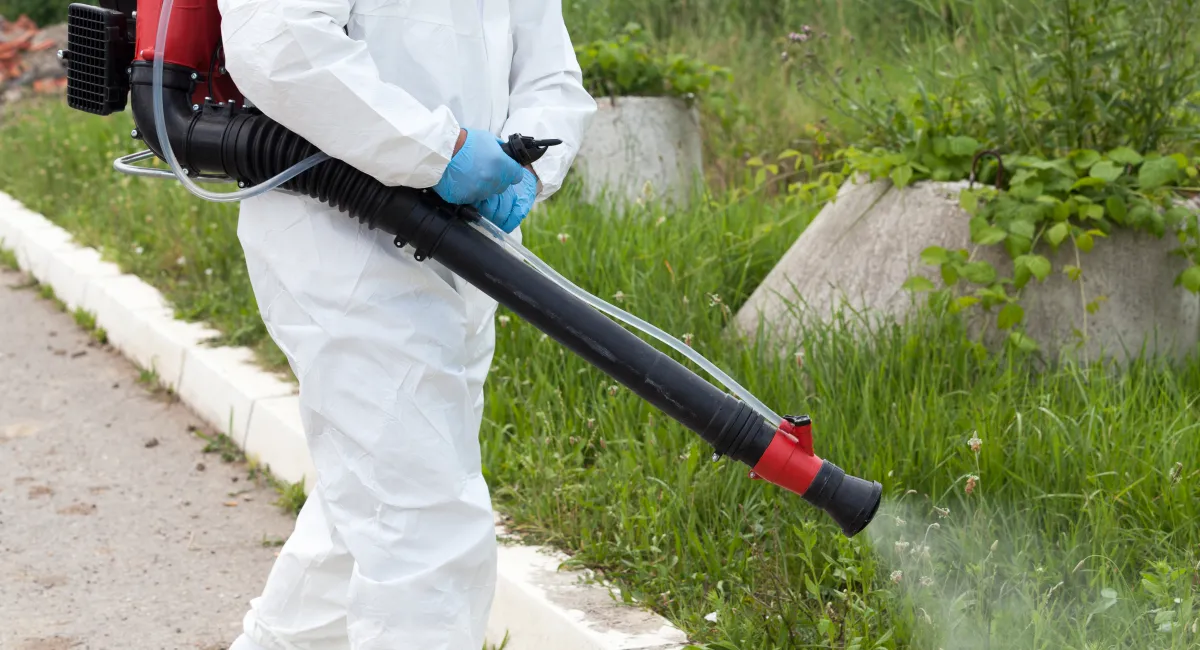
Benefits of a Planned Commercial Tick Control Program
A planned, seasonal approach does more than just reduce pests; it supports business operations, risk management, and long-term property care.
Reduced Exposure and Liability
Ticks are vectors for several serious illnesses, making prevention a critical component of a company’s health and safety policy. With a planned program, companies can significantly reduce exposure risk and demonstrate a commitment to maintaining a safe environment for the public. Understanding the link between tick presence and disease prevention is why many New York firms rely on professional pest control for expert oversight and experience.
Predictable Service and Budgeting
Seasonal planning also provides operational clarity. Scheduled services allow for predictable budgeting, fewer emergency service calls, and superior record-keeping for compliance audits. This is especially helpful for property managers overseeing several locations or large corporate campuses where consistency is key. Instead of reacting to seasonal spikes, businesses thrive with a steady, proactive approach that matches the realities of tick season in New York.
Schedule Professional Tick Control for Your Property
Ticks are a regular, seasonal problem in New York, but with professional planning, they can be managed. Whether your property is located in the heart of New York City or across upstate New York, you will achieve the best results when tick control is based on biological activity, not unexpected problems.
At Assured Environments, we take a strategic, science-based approach to commercial tick control. Our seasonal planning helps businesses prepare for risks, lower exposure, and keep outdoor spaces safe throughout the year. Explore our comprehensive Tick Control Services to see how we can protect your facility. Working with experienced professionals means your property gets the right treatments at the right time for lasting protection.
Contact us today for a free, no-obligation quote!
Book Your Free Pest Inspection Today
Our local technicians will assess your property and recommend tailored solutions. Fast, friendly, and completely obligation-free.
- Safe, targeted treatments
- Local experts, fast response
- Trusted, trained technicians