© 2026 Ramac US, LLC © Copyright Assured Environments. All Rights Reserved
Gnats may be small, but they can cause big problems for businesses. In restaurants, bars, cafes, and other commercial spaces, even a few visible gnats can put off customers, raise hygiene concerns, and attract unwanted attention during inspections.
The good news is that gnats can be dealt with effectively when you know what you're dealing with. In this guide, Assured Environments explains how to identify gnats, eliminate them, and stop them from coming back.
What Are Gnats?
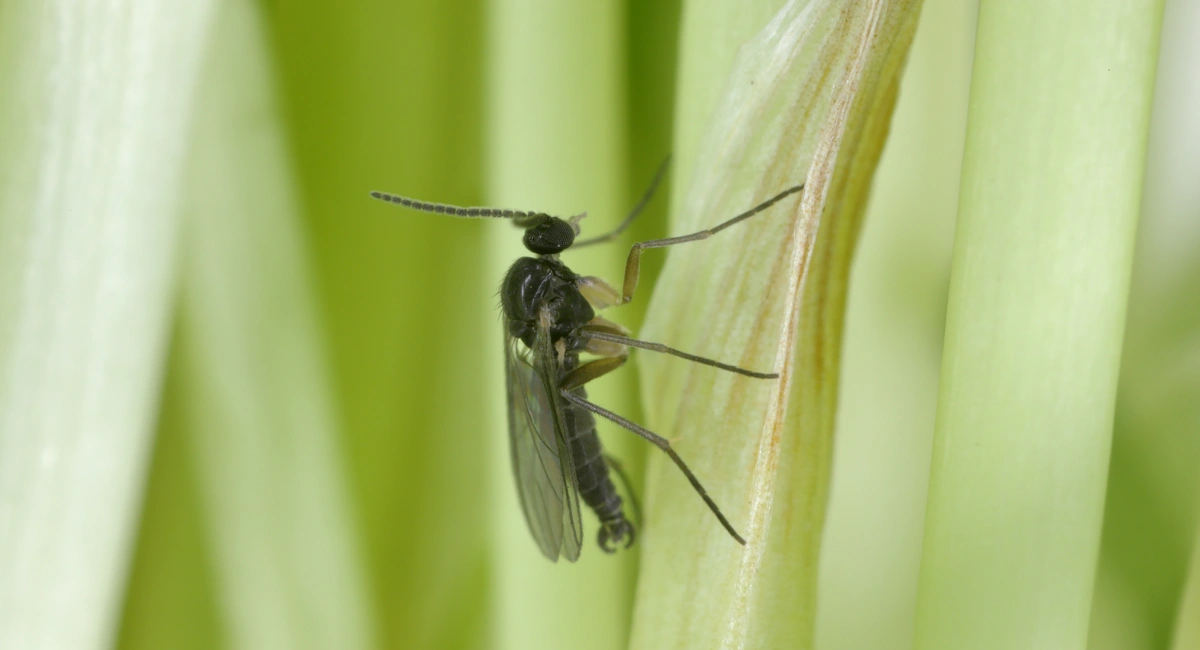
Gnats are small flies. Common species of gnat include fungus gnats, midges, sand flies, fruit flies, and black gnats. They’re so small that sometimes they’re colloquially referred to as “no-see-ums.” Their bodies are typically black, have three segments, six legs, and one to two pairs of wings. They prefer living in dark and damp places like dumpsters, drains, gutters, basements, and bathrooms.
What Attracts Gnats?
Getting rid of a gnat infestation is one thing; preventing one from happening in the first place is another. The most effective approach is to remove the conditions that attract gnats to your space. Gnats are primarily drawn to three things:
Sweet Scents and Sugary Substances
This includes virtually anything that emits a sweet scent, such as sugar, fruit, sucrose, honey, and even flowers. Gnats are even attracted to soaps, perfumes, lotions, and other personal hygiene products. If it reminds them of sugar, gnats will be eager to get at it.
Moisture and Standing Water
Most varieties of gnats are attracted to the combination of moisture and heat. They're particularly attracted to overwatered gardens and to water features such as ponds or fountains. Gnats often congregate around unnoticed standing water in out-of-the-way or underutilized areas of larger commercial buildings, such as warehouses. Moisture control services can help address these issues.
Vinegar and Fermented Materials
Gnats, such as fruit flies and fungus gnats, are highly attracted to vinegar, particularly apple cider vinegar, due to its fermented scent. While vinegar itself is unlikely to be the cause of your gnat problem, this attractant can actually work in your favor. A simple trap made with apple cider vinegar can be an effective way to catch and reduce gnat numbers.
How to Prevent Gnats from Entering Your Business
Taking preventive measures is better than finding a solution after the event. Here are practical steps to stop gnats from entering your property:
Eliminate moisture sources
- Fix leaky pipes, faucets, and drains promptly
- Ensure proper drainage around your building
- Use dehumidifiers in damp areas like basements and storage rooms
- Don't overwater indoor plants
Remove food and organic matter
- Store fruit and produce in sealed containers or refrigerators
- Clean up spills immediately, especially sugary drinks
- Empty trash bins regularly and keep them sealed
- Clean drains regularly with drain line maintenance to remove organic buildup
Seal entry points
- Install or repair window and door screens
- Seal cracks and gaps around windows, doors, and foundations
- Keep doors closed when not in use
- Use air curtains at frequently opened entrances
Maintain cleanliness
- Wipe down surfaces regularly to remove residues
- Clean mop buckets and floor drains
- Remove standing water from sinks, buckets, and floor mats
- Keep outdoor dumpster areas clean and away from building entrances
How Can I Get Rid of Gnats? A Step-by-Step Approach
If you're dealing with a gnat problem, follow these steps for the best results:
Step 1: Prevention
Start with the preventative measures listed above. Eliminating what attracts gnats is the foundation of any successful control strategy. Address moisture issues, remove food sources, and seal entry points before moving to active removal methods.
Step 2: Flypaper
Flypaper isn't aesthetically pleasing, but it's effective at catching gnats. You could try both ribbon paper and window flypaper. This is a great option for businesses that don't have to worry as much about maintaining a certain aesthetic, such as warehouses or storage facilities. Place flypaper near problem areas like drains, trash bins, or windows.
Step 3: Vinegar Traps
Remember when we said that gnats love vinegar? You can exploit that attraction to trap them. Create a mixture of 1/2 cup warm water, 2 tablespoons vinegar (apple cider vinegar is best for its natural sweetness), and a squeeze of dish soap. This mixture, placed strategically in containers around your space, will trap gnats quite effectively. The sweet vinegar draws them in, and they get stuck in the dish soap.
Step 4: Professional Pest Control
Many do-it-yourself gnat removal efforts only work in small spaces or for minor infestations. If your business operates in a large multi-floor property, warehouse, or similar large space, you'll probably need professional assistance to eliminate gnats completely.
When you’ve tried store-bought solutions and none seem to work, it's time to call the professionals at Assured Environments. We are experts in removing gnats with as little disruption to your business as possible. Our team uses integrated pest management approaches tailored to your specific industry, whether you operate a restaurant, a food processing facility, or any other commercial space.
Frequently Asked Questions
While fruit flies are technically a type of gnat, they're specifically attracted to ripening or fermenting fruit and vegetables. Other gnats, like fungus gnats, prefer moist soil and organic matter. Both are small flying insects, but identifying which type you have helps determine the best control method.
Even clean businesses can have gnats if there are hidden moisture sources or organic matter. Check floor drains, mop closets, potted plants, and areas with poor ventilation. Gnats can also enter through open doors and windows or hitch a ride on deliveries and supplies.
With consistent prevention and treatment, minor gnat problems can usually be resolved in one to two weeks. Larger infestations in commercial facilities may take longer and often require professional intervention to identify and eliminate all breeding sources.
While most gnats don't bite or spread disease, they can contaminate food, damage your business's reputation, and create an unpleasant environment for customers and staff. In food service and healthcare settings, gnats can pose compliance and health concerns.
Book Your Free Pest Inspection Today
Our local technicians will assess your property and recommend tailored solutions. Fast, friendly, and completely obligation-free.
- Safe, targeted treatments
- Local experts, fast response
- Trusted, trained technicians