© 2026 Ramac US, LLC © Copyright Assured Environments. All Rights Reserved
Whether for a day trip or a longer stay, upstate New York has plenty of outdoor beauty spots to explore. Hiking in the Adirondack Mountains, wine tours in the Finger Lakes, and views at Letchworth State Park attract millions each year. These landscapes make the region special, but they also host ticks that can transmit diseases. However, these small, hazardous arachnids are not only found in remote wooded or grassy areas, but also urban districts in Syracuse and Buffalo.
Tick season in New York State runs from spring through fall, slowing only when temperatures drop below 45°F. This means trips to Niagara Falls, hikes near Ithaca, and weekends in the Catskills often overlap with peak tick activity. With proper preparation, you can still enjoy an upstate visit or a midtown shopping trip without worrying. The experts at Assured Environments are used to dealing with ticks in NYC and can help you mitigate the risks.
Places You Find Ticks in Upstate New York
Ticks are widespread across New York State, though their numbers are higher in upstate regions with dense vegetation and wildlife, such as the Hudson Valley and parts of the Adirondacks. However, ticks also thrive in city parks, suburban greenways, and residential yards where grass and leaf litter provide ideal harborage. As a result, tick exposure increasingly occurs in everyday settings, not just on mountain hikes or trail walks.
Many of these ticks, specifically blacklegged (deer) ticks, carry Lyme bacteria, with the Hudson Valley standing out for its high density and human exposure. Ultimately, your risk is heavily influenced by your surroundings.
Their natural habitat is wooded edges and tall grass, meaning many bites occur close to where you live and work. In fact, backyards near undeveloped land often pose a higher risk than deeper woods, where natural predators like possums help control the tick population.

Tick Seasonality
Tick season is primarily determined by temperature and moisture levels, rather than fixed dates. While they are generally most active from March to mid-May and again from mid-August to November, mild winters can extend this period.
Specifically, blacklegged (deer) ticks are active any time the temperature is above freezing, and American dog ticks peak in late spring and early summer. The risk is also regional. Tick activity begins earlier in lower elevations, such as the Hudson Valley, but slightly later in the higher Adirondacks and Catskills. This means hikers and pet owners should remain vigilant well into the fall.
Types of Ticks in Upstate New York
New York State is home to several tick species, but the three main types found in upstate regions are blacklegged (deer) ticks, American dog ticks, and lone star ticks. Each has different risks and seasonal patterns.
-
Blacklegged Ticks (Deer Ticks)
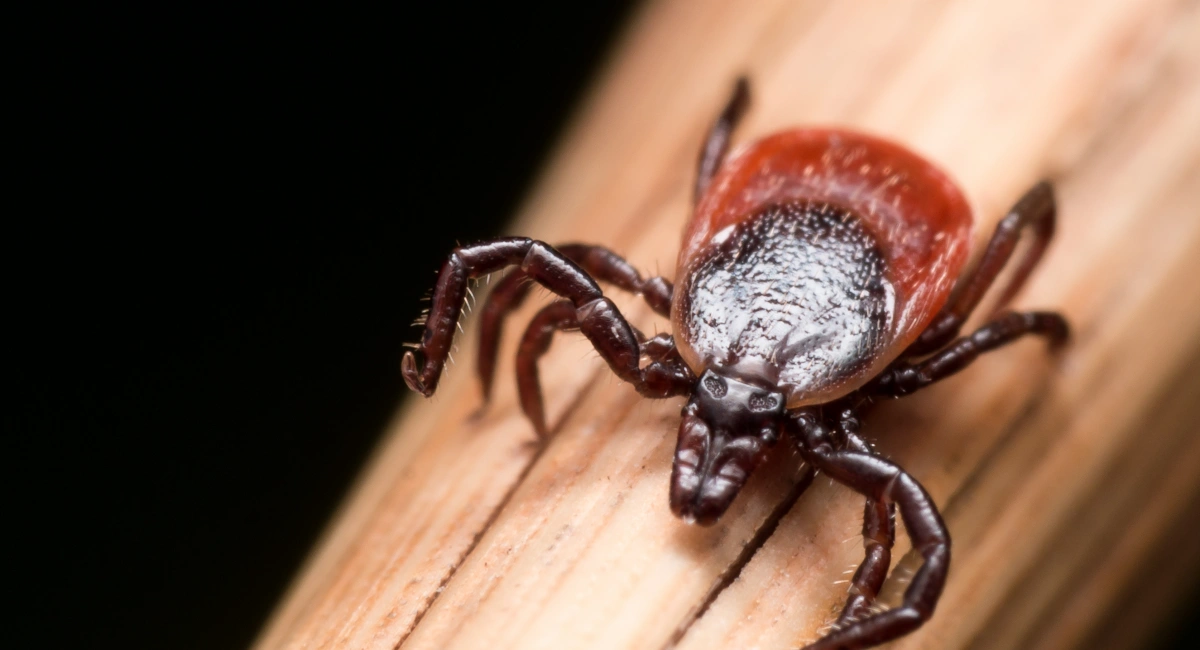
Blacklegged ticks (Ixodes scapularis) are tiny, often no larger than a poppy seed, and can be hard to spot. They are hard-bodied arachnids known to carry and transmit Lyme disease and other tick-borne illnesses like babesiosis, anaplasmosis, and Powassan virus. Sometimes referred to as deer ticks, they thrive in moist, shaded areas with leaf litter and are often found along forest edges, hiking trails, and residential properties near woods.
-
American Dog Ticks
American dog ticks (Dermacentor variabilis) are larger, reddish-brown, and have white markings, making them more visible than deer ticks. They are common in upstate New York and are often found in grassy fields and along trails. While they don’t transmit Lyme disease, they can spread other illnesses, such as Rocky Mountain Spotted Fever and Tularemia.
-
Lone Star Ticks
Once rare in New York, the lone star tick (Amblyomma americanum) is now a common and aggressive tick in the eastern and central US, including the Hudson Valley and surrounding areas. Identified by a white dot on adult females, they deliver painful bites and can transmit diseases such as Ehrlichiosis, Tularemia, and STARI, as well as cause Alpha-gal Syndrome, a meat allergy.
How to Prevent Tick Bites
You don’t need to avoid places like Montezuma Wildlife Refuge to stay safe. Preventing tick bites in upstate New York is about awareness and preparation. Always assume that ticks are present when you’re out and about, plan ahead, and consider the following advice:
- Wear light colored clothing so you can spot ticks easily
- Wear long sleeves and pants to reduce exposed skin
- Tuck pant legs into socks and tie back long hair to limit access points
- Use a proven repellent like DEET or Permethrin
- Stay on designated trails to avoid tall grass and brush, where ticks wait for hosts
- Do a full body check once inside to lower the risk of tick-borne disease
- After outdoor activities, place clothing in a hot dryer for at least 20 minutes to kill any lingering ticks.
Checking for ticks regularly reduces the risk of contracting a tick-borne illness. Even if you find ticks, if they haven’t embedded yet or for very long, you may not become infected.
How Do Ticks Travel?
Ticks don't jump or fly; they use a method of hitchhiking called "questing." A tick will position itself on grass or low shrubs, extending its barbed front legs to wait for a human or animal host to pass by. Dogs and outdoor cats can pick up ticks in yards, parks, or wooded areas and bring them indoors, increasing household exposure. In a split second, it uses its hooked leg to grab hold and climb aboard.
Once on a host, the tick seeks a thin-skinned area to feed. How far a tick travels depends entirely on its host. Eventually, the tick will either be found or it will feed and drop off. Since ticks can travel on clothing, frequent checks for ticks on humans and pets after being outdoors are essential, as the sooner you catch a tick, the better.
What to Do if You Find a Tick
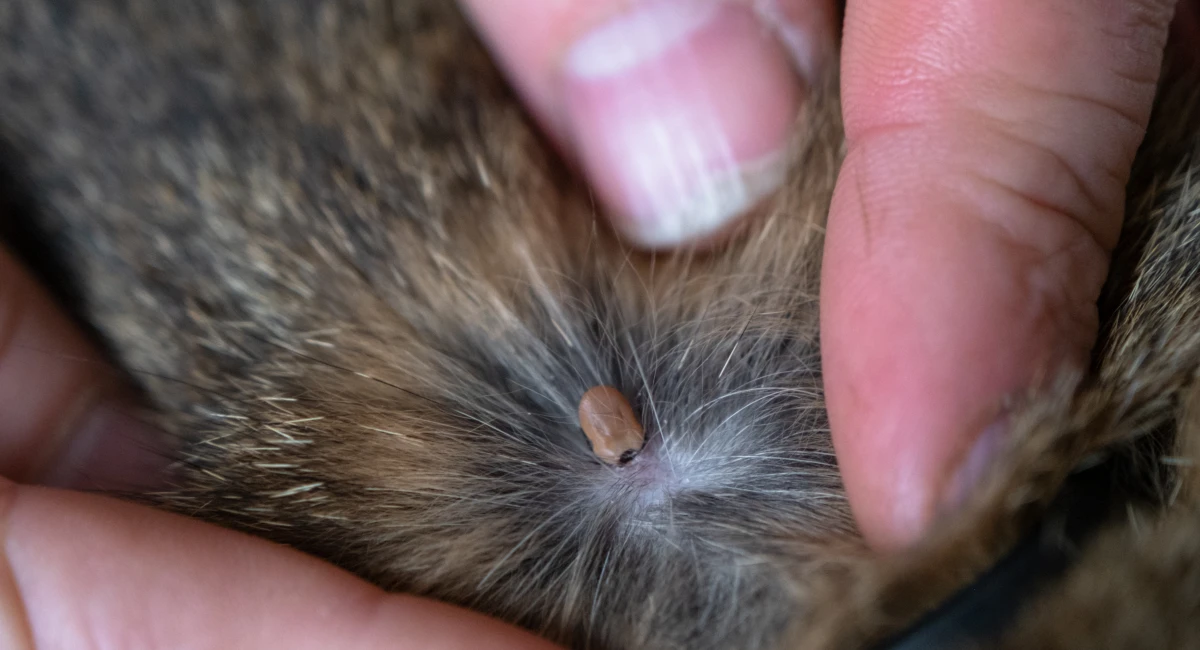
If you find a tick embedded on your body, don’t panic. Remove it as quickly as possible and save it if you are worried about the risk of illness. Here’s how:
To remove an embedded tick, the CDC recommends using tweezers to grasp the tick as closely to the skin as possible. Pull upward with steady, even pressure without twisting, as this can cause the mouth parts to break off.
Once the tick is removed, clean the bite with rubbing alcohol or soap and water. Save the tick in a plastic bag or on a piece of tape in case you need to have a medical professional test it for Lyme bacteria.
Keeping New York Pests Away all Summer
Tick-borne diseases remain a concern across upstate New York, but awareness and prevention make a meaningful difference. If tick activity becomes difficult to manage, particularly on residential or commercial properties, professional support may be necessary.
For expert help, visit our tick exterminators page to learn how Assured Environments approaches tick control across New York, including Westchester County, East Hampton, Long Island, and surrounding regions. With decades of experience protecting properties throughout the state, we help New Yorkers enjoy the outdoors and stay protected.
Book Your Free Pest Inspection Today
Our local technicians will assess your property and recommend tailored solutions. Fast, friendly, and completely obligation-free.
- Safe, targeted treatments
- Local experts, fast response
- Trusted, trained technicians