© 2026 Ramac US, LLC © Copyright Assured Environments. All Rights Reserved
Fleas are so small that they are hard to see with the naked eye, which makes identifying them tricky. Not only will we tell you what fleas physically look like, but we’ll also describe flea eggs and flea larvae to make them easier to spot, along with the main indicators of fleas on your pets or in your home.
Fleas are a stressful pest to have. They multiply quickly and can be difficult to get rid of. They bite animals and humans, leaving itchy welts similar to mosquito bites. In worst-case scenarios, fleas spread disease. If you have fleas in your home, you’ll want to treat the problem swiftly. A pest control expert like Assured Environments can help.
Flea Characteristics
Size:
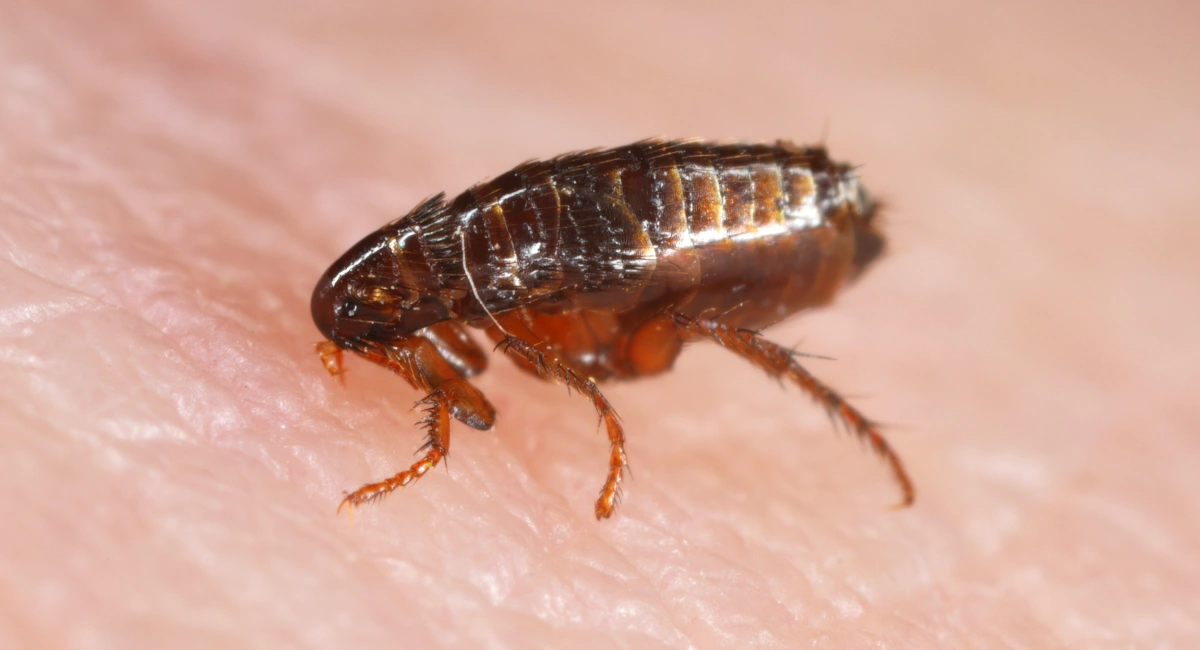
Fleas are tiny. They range from 1/12 to 1/4 inch in size, with 1/8 inch being the average. That’s a dot on your thumbnail.
Color:
Dark brown, black, gray, dark red brown. Fleas are translucent, giving them an amber appearance.
Shape:
Fleas are wingless with narrow bodies. This allows them to easily travel through hair. They have large, well-developed hind legs for jumping from host to host and a mouthpiece designed for piercing skin and sucking blood. A defining characteristic is the hair-like spines on their bodies.
Movement:
Fleas are difficult to spot because they move quickly through fur. They use their well-developed hind legs to make quick jumps of up to 12 inches. In fact, you may notice their sudden movements more than their physical characteristics. To slow their movement for easier inspection, you can wet your pet’s coat.
Signs of Fleas
In addition to seeing actual fleas pinging off your dog or cat’s coat, here are a few other signs you may have fleas in your home:
Scratching
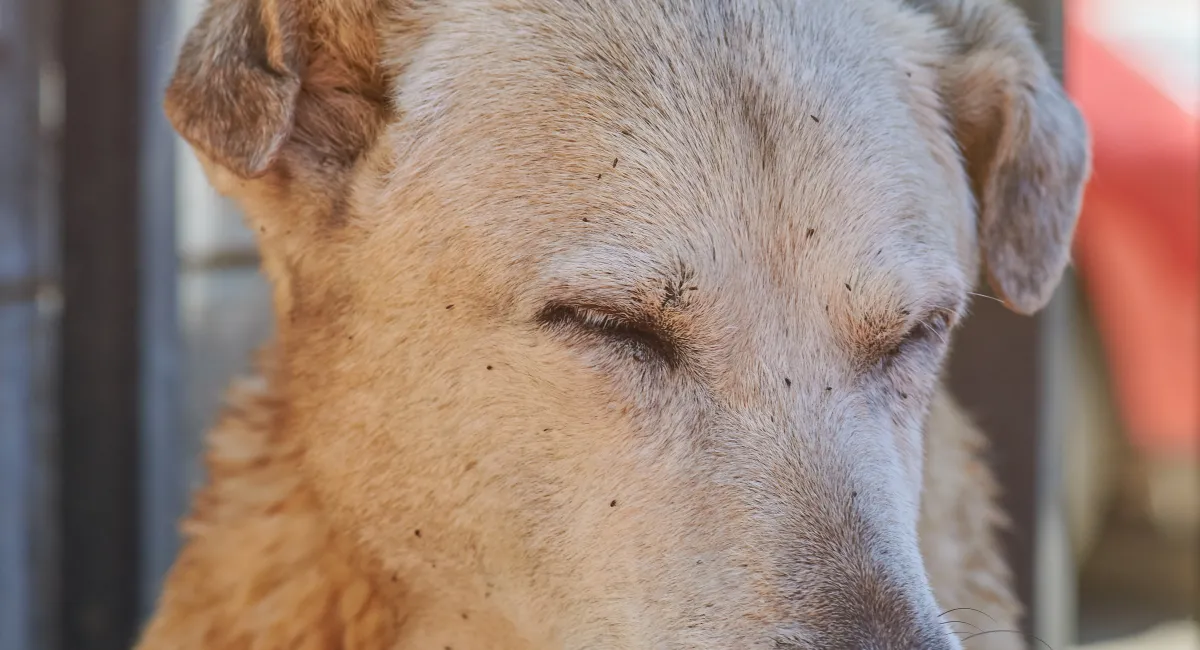
If your pets are scratching more than usual, check their fur closely. Excessive scratching, especially around the neck, tail, and belly, is a common sign.
Tapeworms
Fleas carry tapeworms. If you see small rice-like worms in your pet's stool, it could mean fleas have been feeding on them.
Irritated Skin
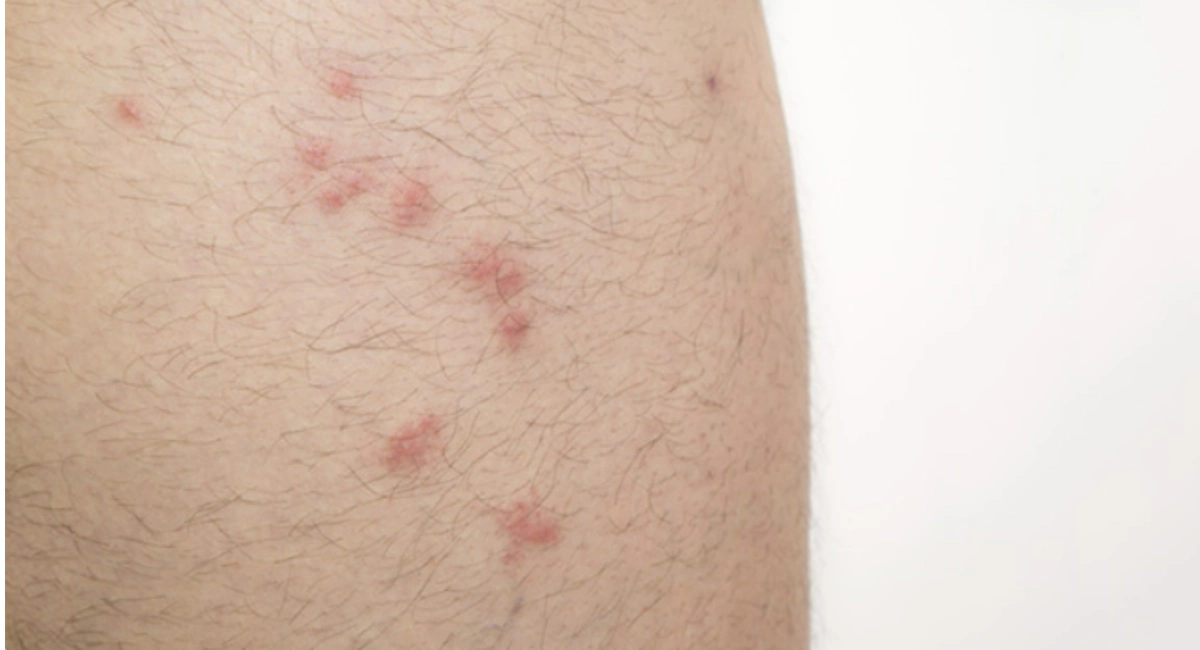
Red, bumpy bites are a clear sign that fleas have been feasting on you or your pet. These bites are itchy and often appear in clusters.
Flea Dirt
Fleas leave feces behind in the form of peppery black or brown flakes. This "flea dirt" is actually digested blood and is often found on pet bedding, carpets, or your pet's coat. You can use the ‘Paper Towel Test’ to confirm: place the specks on a damp white paper towel. If they turn reddish-brown, it's flea dirt.
What Do Flea Eggs Look Like?
Fleas are prolific breeders. The blood that they take from you or your pet allows them to produce their eggs. A female flea will lay up to 25 eggs after every blood meal and may produce 2,000 eggs in her lifetime. They usually lay their eggs on a host, i.e., your dog, but the eggs aren’t attached and will fall off. You can find most likely find them in your pet’s bed or wherever they lie most.
Flea eggs on your furniture or floor are tiny grains that look like dust or salt and pepper. They’re oval-shaped, but you may need a magnifying device to see that.
Depending on the temperature, the flea larvae inside the eggs will hatch in 2-21 days.
What Do Flea Larva Look Like?
Flea larva are quite different from their adult counterparts. They are legless and hairy white worms with brown heads. Not exactly something you want in your home.
Larvae spend between 4-20 days eating their skin sheds, adult flea excrement, and other organic debris (like hair) before they mutate. Like a butterfly, they build a cocoon to metamorphose into a pupa.
What Do Flea Pupae Look Like?
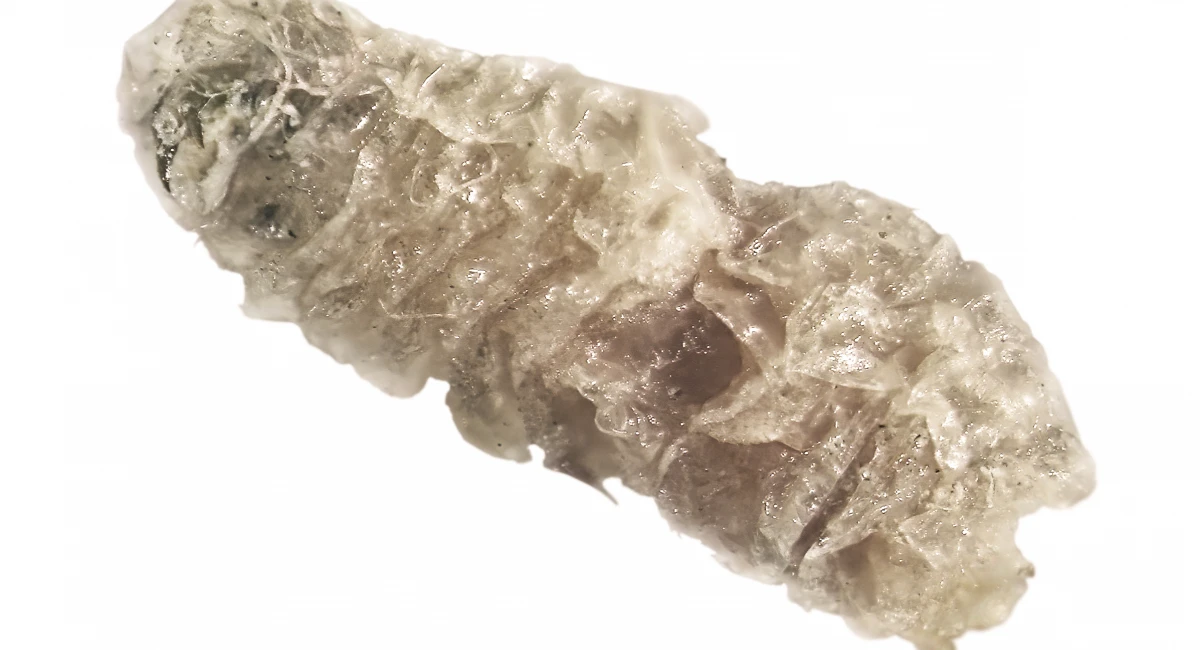
Depending on conditions, flea larvae may remain in their cocoons for a few days or up to six months. Flea pupae are essentially pre-adults. The cocoons are pale and sticky and attract dust and dirt, making them difficult to identify. This coating also makes it difficult to vacuum them up.
Once a flea emerges from its cocoon, it will eat, breed, and lay eggs within a few hours, and the cycle starts over. This is why fast action is critical.
What Do Flea Bites Look Like on Humans?
There are many flea species, and most stick to a particular food source. Cat fleas (Ctenocephalides fFelis) prefer cats, dog fleas (Ctenocephalides canis) prefer dogs, and, human fleas (Pulex iIrritans) bite humans.
Flea bites are like mosquito bites but smaller and often darker colored. They usually appear in clusters of three or four and can have a red halo around the center. Flea bites are harmless beyond the itch, but if you’re allergic, they may feel more severe. An antihistamine will help with stronger reactions.
How to Get Rid of Fleas
Getting rid of fleas is a tricky business. The most common approach is to use a flea shampoo on your pets. Unfortunately, this won’t address the issue of flea eggs, larvae, and pupae in your house. If you don’t treat all stages of the flea life cycle, you’re at risk of them returning. Here are some prevention tips:
1. Treat Your Pets
Give your pets a bath using a flea shampoo recommended by your vet. This kills adult fleas on contact.
2. Vacuum Thoroughly
Vacuum carpets, upholstery, pet beds, and any areas where your pet spends time. This removes fleas in all stages. Empty your vacuum into an outside bin immediately.
3. Wash Bedding and Fabrics
Wash all bedding, including pet bedding, and clothing that may be affected in hot water (at least 140°F) for 90 minutes.
4. Steam Clean
Steam clean your carpets and upholstery to kill fleas at all life stages. The heat penetrates deep into the fibers where fleas hide.
5. Treat Your Home
You can try natural or chemical treatments, but the best way to ensure fleas are out of your home is to hire a professional flea exterminator experienced with flea infestations. Professional pest control addresses all stages of the flea life cycle, eliminating adult fleas and destroying eggs and larvae.
How to Keep Fleas Off Your Pet
Whether you have a professional treat your home or do it yourself, make sure you treat your pets on the same day. By coordinating your treatment plan, you address all areas where fleas have infiltrated and prevent their return. To protect your pets and eradicate fleas:
1. Give Them a Bath
Use a flea shampoo recommended by your vet to kill adult fleas on contact.
2. Comb Out Their Fur
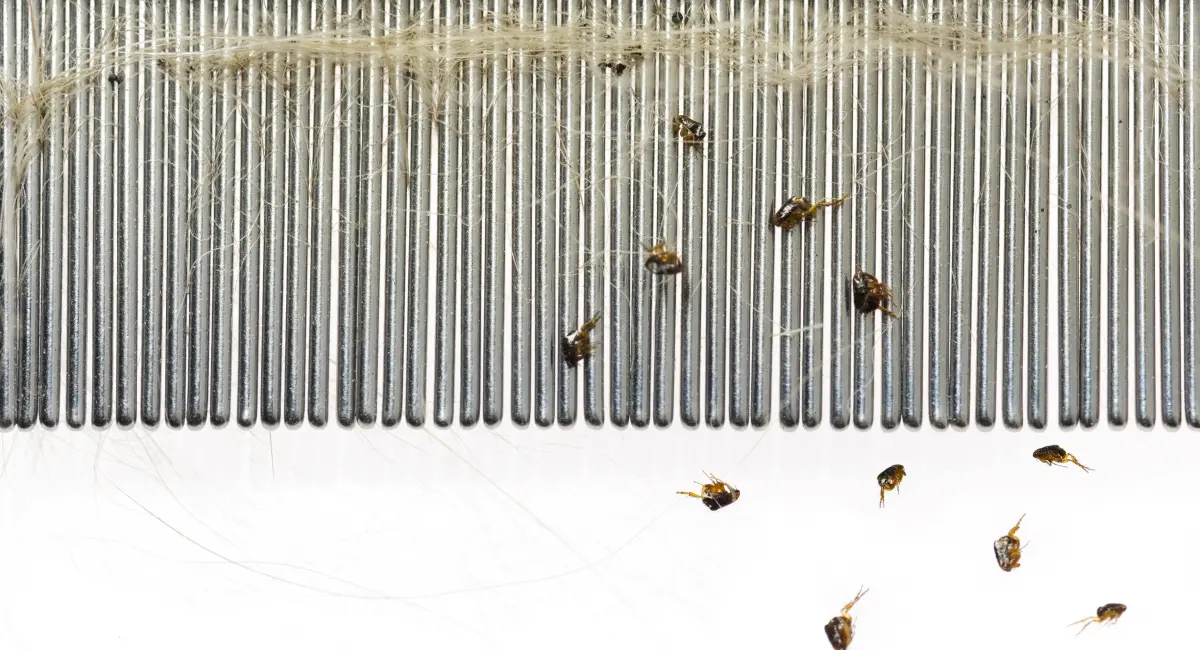
Use a fine-toothed flea comb to remove fleas, flea dirt, and eggs from your pet's coat.
3. Kill Any Visible Fleas
Dispose of any fleas you find by dropping them into soapy water.
4. Recheck Frequently
Check your pet regularly for any fleas you may have missed. Early detection helps prevent reinfestation.
If you have any questions about caring for your pets or which products to use, reach out to your vet.
Expert Flea Control in New York, New Jersey, and Connecticut
Before the itch reaches critical mass and you’re ready to flee your home, call or contact Assured Environments. One of our experienced professionals can help tame your flea circus and make sure they never come back.
Frequently Asked Question
Adult fleas can survive for a few days up to two weeks without a host, depending on humidity and temperature. However, flea larvae and pupae can stay dormant for months until vibrations or warmth signal the presence of a new host. This is why treating your home thoroughly is essential.
Fleas generally prefer carpets because the fibers offer hiding spots and protection. However, they can also infest hardwood floors, as the cracks and crevices between floorboards provide potential hiding spots where flea eggs and larvae can fall and develop.
The Paper Towel Test helps you confirm whether black specks on your pet or bedding are flea dirt. Place the specks on a damp white paper towel and wait a few moments. If they turn reddish-brown, it's flea dirt (digested blood). If they stay black, it's likely regular dirt.
You may see fleas for a few days after treatment because pupae can remain dormant in cocoons and emerge later. Treatments target adult fleas, larvae, and eggs, but pupae are protected inside their cocoons. Newly emerged fleas will come into contact with treated surfaces and die. This is normal and should subside within a week or two. If activity continues, contact your pest control provider for a follow-up visit.
Book Your Free Pest Inspection Today
Our local technicians will assess your property and recommend tailored solutions. Fast, friendly, and completely obligation-free.
- Safe, targeted treatments
- Local experts, fast response
- Trusted, trained technicians