© 2026 Ramac US, LLC © Copyright Assured Environments. All Rights Reserved
Bed bugs are among the most disruptive pests a hotel, healthcare facility, or multi-unit rental can face, and the instinct to reach for a quick, affordable fix almost always makes the problem worse. Here is what property and facility managers across New York, New Jersey, and Connecticut need to understand about why bug bombs fail and what effective treatment actually requires.
- Aerosol foggers disperse a chemical mist that coats open room surfaces but cannot reach the mattress seams, baseboards, and wall crevices where bed bugs actually live and breed
- Decades of exposure to pyrethroid-based insecticides have left nearly 90% of urban bed bug populations genetically resistant, rendering the active ingredients in most consumer products ineffective
- Rather than eliminating an infestation, the chemical mist typically functions as a repellent, pushing bed bugs further into walls and neighboring units and expanding the problem
- Deploying aerosol bug bombs in medical or hospitality environments introduces respiratory irritants and chemical residues that create additional health and liability concerns for staff and occupants
- Accurate detection requires trained K9 bed bug scent detection teams capable of pinpointing harborage sites that visual inspections routinely miss
- Only targeted professional treatments such as heat remediation eliminate bed bugs at every life stage across the full extent of an infestation
Jump to:
Do Bed Bug Foggers And Bug Bombs Really Work?
Does Fogging Kill Bed Bugs Effectively?
What Is Bed Bug Fogging?
Why Bed Bug Foggers Fail
The Health Risks Of Using A Fogger
Alternative Bed Bug Treatments
Schedule your NY, NJ, or CT bed bug treatment today
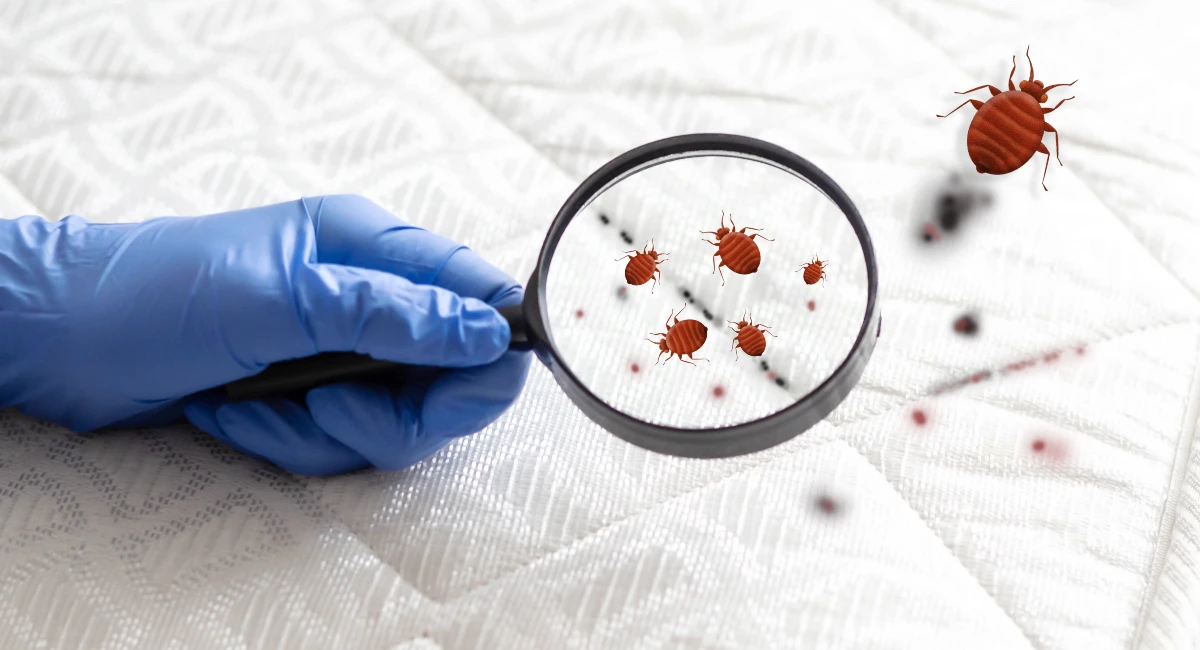
Do Bed Bug Foggers and Bug Bombs Really Work?
Fogging bed bugs may seem affordable, but research has consistently shown that foggers and bug bombs do not effectively eliminate bed bug infestations. In fact, bed bugs often survive fogging due to built-up resistance and their ability to hide deep inside baseboards or mattress crevices, thereby avoiding contact with the aerosol mist.
In high-risk environments, like healthcare facilities and student lodging, where rapid re-infestation can occur, foggers may delay effective intervention, allowing the population to grow and migrate to adjacent bedrooms, wards, or apartments.
Does Fogging Kill Bed Bugs Effectively?
Despite bold product claims, foggers have a poor track record. Even in ideal testing conditions, they have had little impact on real-world bed bug populations. In legal cases, some manufacturers have faced class-action lawsuits for overstating effectiveness and downplaying health risks.
Foggers rely on bed bugs being exposed on open surfaces. In commercial buildings, where bed bugs hide inside furniture seams, wall voids, and behind baseboards, foggers fail to penetrate deep enough to reach them.

What is Bed Bug Fogging?
A total release fogger (TRF) is a pressurized can that disperses insecticide throughout the target area. You place it in the center of a room, activate it, and leave while it sprays a chemical mist over several hours. While marketed for convenience, fogging doesn’t offer the rigor required for high-traffic, multi-occupancy spaces. The mist does not always penetrate the cracks and crevices where bed bugs typically hide.
Beds, upholstered furniture, headboards, and drop ceilings in hotels, dormitories, and assisted living facilities provide excellent harborage for bed bugs and are nearly impossible for foggers to reach.
Why Bed Bug Foggers Fail
Despite being advertised as ‘affordable’, ‘easy-to-use’, and ‘cost-effective’, foggers are anything but because they only treat exposed surfaces and encourage bed bugs to retreat further into hiding. This makes infestations harder to control, creating more problems than they solve.
Reason #1: Resistant Genetics
Repeat exposure to chemical treatments over the years has contributed to resistance. Studies show nearly 90% of bed bugs in urban settings are no longer affected by the pyrethroid-based insecticides commonly used in foggers. Resistance populations are common in commercial buildings and facilities, where pest pressure is high. Also, the pesticide concentration in foggers is often low for safety reasons, and a small amount of pesticide used has no residual effect.
Reason #2: Bed Bugs Hide
Bed bugs evade foggers in two ways. They either bury themselves deeply into upholstery, linen, or baseboards where foggers can’t, or scatter to new, untreated areas. That means, the chemicals repel them instead of eliminating them, forcing them to move to other rooms or apartments and spreading the infestation. When the coast is clear, they may return to their original hiding spots in treated areas.
The Health Risks of Using a Fogger
Bug bombs release a large volume of aerosol chemicals into a shared environment, introducing potential health hazards to staff, residents, and guests. While they are FDA approved, most fogger manufacturers recommend staying away for a period of time to avoid exposure. The Washington State Department of Health is one of many agencies that have identified multiple health risks associated with foggers. These include:
- Nose and throat irritation
- Dyspnea (difficulty breathing)
- Cough
- Dizziness
- Vomiting
- Diarrhea
- Cramps
While only a small percentage of people experience severe reactions to bug foggers, moderate exposure can trigger mild reactions. Facilities like hospitals and elder care centers must be particularly cautious. Aerosol residue may linger on furniture, linens, and food prep areas, increasing the risk of contamination. Given these risks and the limited effect of the treatments, we don’t recommend foggers as a means of treating commercial bed bug problems.
Alternative Bed Bug Treatments
Commercial property managers should rely on targeted, proven removal strategies instead of fogging bed bugs and hoping for the best.
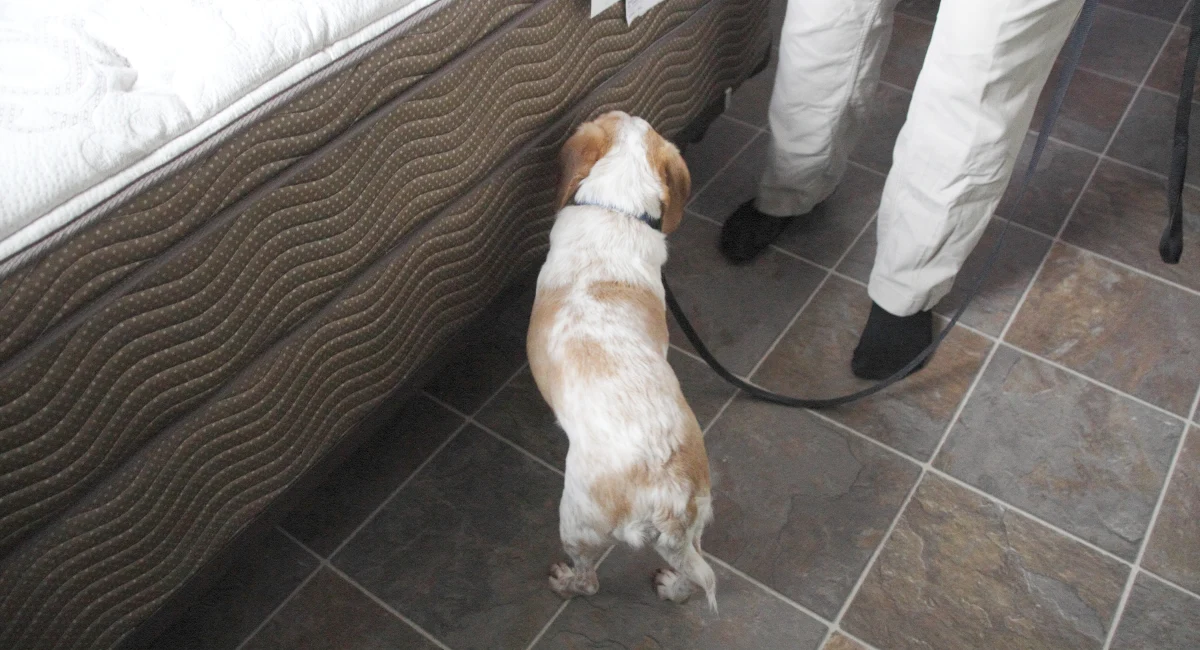
At Assured Environments, we deliver commercial bed bug control tailored to your facility. Our technicians use trained K9 inspection teams to detect infestations with accuracy, even in complex environments like hotels or dormitories. Based on inspection results, we apply heat treatments or localized methods that reach into hidden areas, minimizing downtime.
Learn more about our bed bug pest solutions and explore our full range of commercial pest control programs for multiple industries in the tri-state area.
Schedule Your NY, NJ, or CT Bed Bug Treatment Today
If you're dealing with a bed bug issue in your commercial property, we can help. Assured Environments provides industry-leading service across New York, New Jersey, and Connecticut. Our treatments are nontoxic and tailored to fit healthcare settings, lodging, property management, and beyond.
We will work with you to find a time that causes minimal disruption to your business, tenants, staff, and visitors. A trained technician will assess the extent of the infestation and discuss the next steps so you know what to expect from the start.
Skip the foggers. Call us today or schedule your appointment online.
Frequently Asked Questions About Bed Bug Foggers
No. Bed bug eggs are extremely resilient. Because foggers only coat exposed surfaces, they are unlikely to make contact with eggs or apply enough concentrated insecticide to destroy them. Even if adult bugs are affected, any remaining eggs can hatch and restart the infestation.
Yes. The terms ‘bed bug bombs’ and ‘foggers’ both refer to total release aerosol products that disperse insecticide in a fine mist across open areas, but they do not offer targeted application. While marketed under different names, they function in the same way and carry the same limitations in bed bug treatment.
Most foggers fully discharge their contents in minutes and require the space to be evacuated for several hours. While some insects may die on contact with the mist, bed bugs often remain unaffected if they’re hiding or resistant. A fogger may appear to reduce activity temporarily, but without direct contact and a follow-up treatment strategy, infestations are likely to persist or return.
Book Your Free Pest Inspection Today
Our local technicians will assess your property and recommend tailored solutions. Fast, friendly, and completely obligation-free.
- Safe, targeted treatments
- Local experts, fast response
- Trusted, trained technicians