© 2026 Ramac US, LLC © Copyright Assured Environments. All Rights Reserved
In healthcare settings across New York City, flies are becoming a more visible concern. These pests are not just disruptive, they carry bacteria, threaten audit outcomes, and undermine patient and staff confidence.
From rooftop waste areas to shared food delivery docks, urban healthcare facilities face structural and operational challenges that increase fly activity. Addressing the problem requires more than basic pest control. It demands a tailored strategy rooted in the realities of NYC infrastructure and healthcare compliance.
With decades of experience supporting healthcare facilities across New York, New Jersey, and Connecticut, Assured Environments understands how fast a fly issue can escalate. Here we share from our experience with hospitals, urgent care centers, and residential care homes to address overlooked risk areas and meet inspection standards.
How Urban Building Design Increases Fly Activity
Unlike rural hospitals or suburban clinics, many NYC healthcare buildings were not purpose-built for modern care. Older plumbing, aging waste systems, and tight service corridors provide ideal breeding conditions for flies. High-rise layouts often include rooftop compactors, limited ventilation, and shared janitorial spaces that stay warm and damp.
These risks are compounded by New York’s population density. With more people, more waste, and more food handling, flies have abundant opportunities to breed and spread. Facilities that work with providers familiar with city-specific environments are better equipped to prevent fly problems before they start. Assured Environments offers healthcare pest management services designed for urban challenges like these.
The Hidden Role of Drains in Fly Infestations
In many facilities, the most active fly breeding zones are the least visible. Drain flies thrive in pipes and sinks that contain biofilm, a slimy layer made from organic buildup. This material is difficult to remove with standard janitorial cleaning and often includes traces of food, bodily fluids, medication residue, and chemical cleaners.
In food prep zones, janitor closets, and maintenance areas, these flies can multiply quickly. Without regular deep cleaning or microbial drain treatment, the population spreads. Fly and drain treatments include bioremediation that targets the root cause of infestations, helping reduce the risk of contamination and audit citations.
Common Urban Hotspots in NYC Facilities
While patient care zones receive regular attention, many fly problems originate in non-clinical areas. Common risk zones include:
- Rooftop trash compactors and delivery areas
- Prep sinks in hospital kitchens or dietary service zones
- Floor drains in laundry rooms or janitorial closets
- Food service trolleys or trays left near elevators
- Break rooms or shared staff cafeterias
Each of these environments combines warmth, moisture, and organic residue, which flies use to lay eggs and reproduce. Understanding where these risks exist is the first step toward preventing them.
For a visual guide on how to tackle fly infestations, download our Fly Control and Prevention Infographic.
Why Flies Pose a Risk to Audits and Safety Standards
Flies are known carriers of harmful bacteria like E. coli and Salmonella. In healthcare environments, even a single fly in a patient food service area can lead to a failed inspection. Their presence may be interpreted as a broader failure in hygiene and sanitation, especially when found in sensitive areas like kitchens, waste rooms, or around medications.
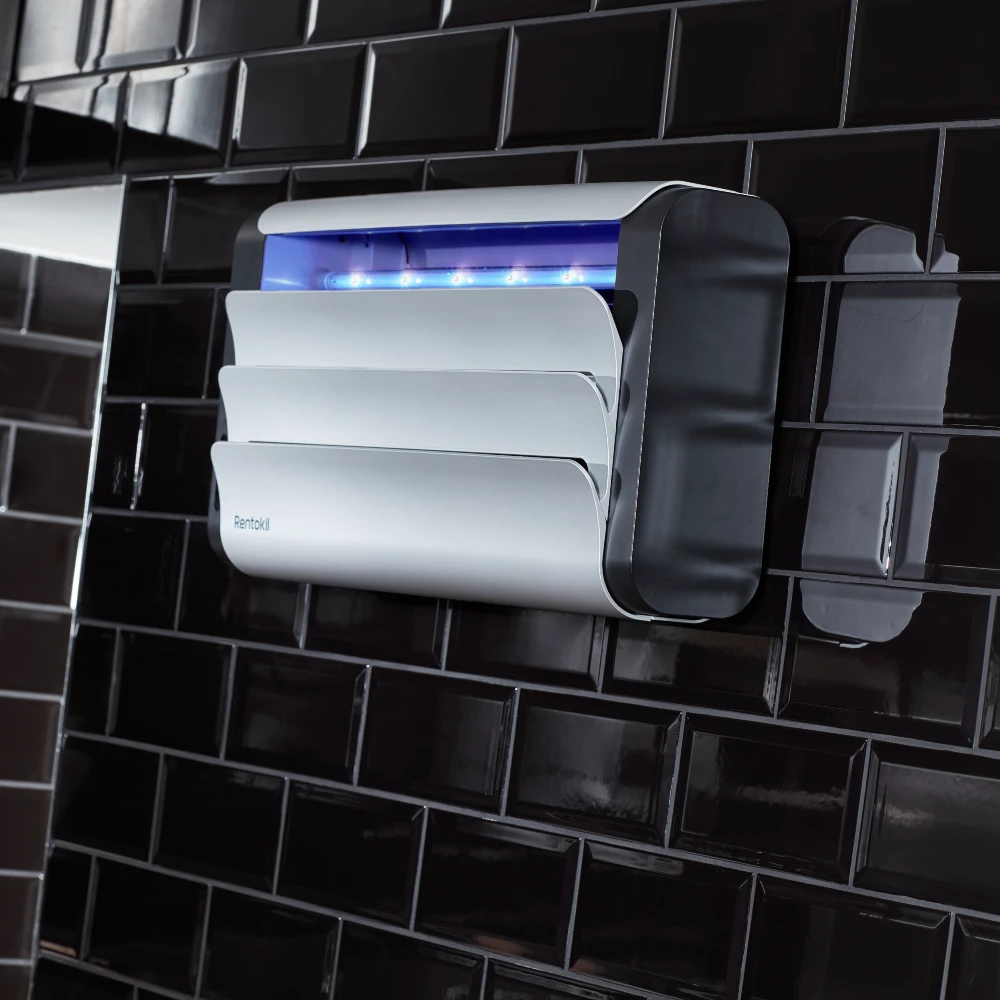
Fly sightings often result in points off during environmental rounds, audit write-ups, or reputation damage. Including LED light traps in high-risk zones and maintaining a clear drain treatment schedule is critical to demonstrating control.
Supporting a Strong Compliance Culture
For healthcare leaders in New York, pest control is not just about preventing complaints. It supports a broader culture of safety, sanitation, and operational excellence. Staff, patients, and visitors all expect healthcare environments to be visibly clean and professionally maintained.
Integrated fly control strategies are essential for urban facilities where risks are built into the environment. Assured Environments combines decades of local experience with services designed for regulated industries, helping providers address hidden fly hotspots and maintain compliance with city and state standards.
Proactive pest management is essential in high-density cities like New York, where environmental risks are built into the infrastructure. By addressing common hotspots and reinforcing your sanitation protocols, you not only prevent fly activity, but also support better outcomes across audits, staff morale, and patient safety.
Ready To Strengthen Your Facility’s Compliance Strategy?
Partner with Assured Environments for targeted fly control built for New York healthcare. Contact us today to schedule an inspection or discuss a tailored service plan.
Book Your Free Pest Inspection Today
Our local technicians will assess your property and recommend tailored solutions. Fast, friendly, and completely obligation-free.
- Safe, targeted treatments
- Local experts, fast response
- Trusted, trained technicians