© 2026 Ramac US, LLC © Copyright Assured Environments. All Rights Reserved
NYC food processing facilities that invest heavily in sanitation and HACCP protocols are often surprised to find themselves trapped in recurring infestation cycles, and the reasons are rarely visible on the production floor. Here is what facility managers need to understand about the environmental and structural factors that make urban food processing sites uniquely vulnerable to pest pressure.
- Neighboring buildings, shared utility corridors, and interconnected ventilation shafts create constant external pest pressure that no amount of internal sanitation can fully offset
- The temperature differentials generated by industrial machinery produce localized microclimates and condensation points that provide cockroaches with a reliable, hidden water supply
- Tightly packed equipment creates stagnant air pockets where trapped humidity accumulates into an organic biofilm layer, giving phorid and fruit flies ideal conditions to breed undetected
- In multi-story facilities, the Stack Effect draws warm moist air upward through the building, causing condensation to form on upper floors and generating fly activity that appears disconnected from any obvious source
- Repurposed industrial buildings carry inherited structural vulnerabilities including settling foundation cracks, deteriorating sub-slab grout, and dried drain P-traps that open direct pathways for sewer rodents into the facility
Jump to:
The Urban Liability: Why City Facilities Face Higher Pressure
Identifying Hidden Micro-Climates In Food Plants
Managing Vertical Moisture Movement And The "Stack Effect"
Structural Portals: Where Urban Liability Meets Pest Risk
Shifting To Environmental Pest Management (EPM)
The Assured Environments Approach To Food Safety
Reliable Pest Support For Nyc Food Plant Managers
The Urban Liability: Why City Facilities Face Higher Pressure
Operating a food processing plant in an urban center like Manhattan or Newark is fundamentally different from operating in a suburban industrial park. In the city, your facility is part of an interconnected biological network. You aren't just managing your own square footage; you are managing the pressure from the entire block.
Shared walls with neighboring buildings mean you are often at the mercy of their pest management standards. A rodent or insect population in a neglected building next door doesn't see a brick wall as a boundary. Instead, they use the internal utility lines, electrical conduits, and shared ventilation shafts as a "superhighway" into your clean zone. This urban liability means pests are constantly pushing inward, seeking the climate-controlled refuge of your facility to escape the harsh city environment.
Adding to this pressure is the constant vibration and displacement caused by NYC's infrastructure. Subway trains, construction projects, and street-level jackhammering physically push pests out of aging sewer lines and building voids. These displaced populations seek the nearest stable, climate-controlled environment, which is often your food processing facility. The threat is external, relentless, and beyond your direct control.
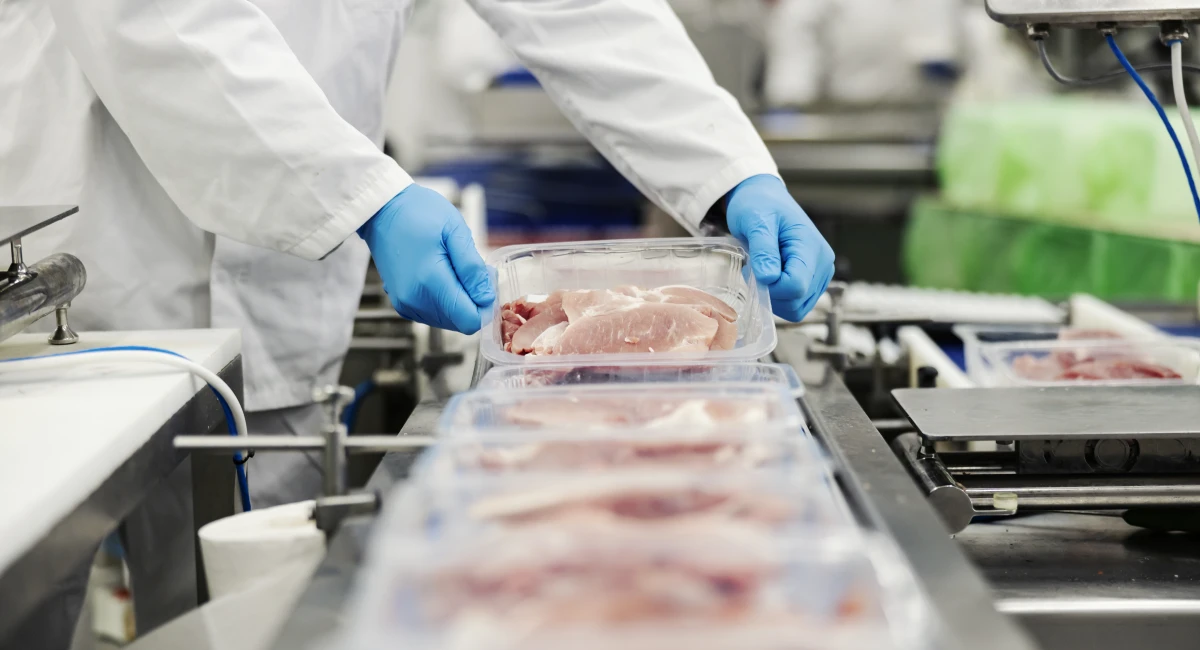
Identifying Hidden Microclimates in Food Plants
If your facility is spotless, why do pests stay? The answer lies in microclimates. Pests are biological opportunists that thrive in small pockets of specific temperature and humidity levels tucked away within the walls and machinery of your plant. These zones are often invisible during a standard walkthrough, but they are a primary reason why effective NYC food plant pest control requires a technical approach.
The Thermal Gradient Problem
Food processing involves extreme temperature shifts. You might have an industrial oven or steam kettle generating immense heat just a few feet away from a blast chiller or cold storage unit. This proximity creates a localized atmospheric shift. As warm, moist air from a wash-down hits the cold surface of a refrigeration pipe, moisture condenses.
For a pest like the German cockroach, this single bead of condensation is a lifeline. They can survive for weeks without food, but not without water. If your facility has these "micro-sip" stations hidden behind cooling units or electrical panels, pests will persist regardless of how clean your floors are.
Stagnant Air and Microbial Growth
Space is expensive in the tri-state area, which leads many plants to pack equipment tightly. When heavy machinery is pushed against walls or positioned under low-clearance mezzanines, it creates "dead air zones." These areas trap humidity and heat, fostering the growth of biofilms and fungi. This invisible "bio-sludge" is the primary food source for phorid and fruit flies. While your cleaning crew might scrub the floor, they rarely reach the dead air space behind a motor housing where these flies are quietly breeding.
This problem is compounded by thermal shadowing, where large stainless steel equipment blocks HVAC airflow, creating a warm, humid "shadow" behind the machine that never dries. In tight urban floor plans where every square foot is maximized, these thermal shadows can become permanent pest habitats.
Managing Vertical Moisture Movement and the "Stack Effect"
One of the most complex challenges in food-processing pest management is moisture movement. In a multi-story urban building, moisture is never stationary. Through a process known as the Stack Effect, your building acts like a giant chimney.
As warm air is generated during hot-water sanitation on the lower production floor, it naturally rises. This moist air is pulled upward through elevator shafts, utility chases, and stairwells. As it reaches the cooler upper levels or the roof deck, it condenses. This is why a facility might experience a sudden outbreak of flies on the third floor even though the moisture source, a leaky pipe or heavy wash-down, was in the basement.
Here's where audit risk becomes critical: an auditor might find flies in a dry-storage mezzanine and cite your facility for poor sanitation, when the real culprit is a moisture plume rising from a basement wash-down two floors below. Without understanding vertical moisture movement, you're left defending against an unfair audit mark.
Sub-slab Moisture and Structural Risks
Many facilities in Brooklyn and Queens are built on land with high water tables. Moisture often seeps through the concrete slab of aging foundations via capillary action, a process known as "rising damp." This creates a permanently humid environment beneath your floor tiles. When grout lines fail, organic matter mixes with this moisture, creating a subterranean "sludge" that surface-level mops can never reach. This structural failure is a major driver of recurring drain fly issues.
Structural Portals: Where Urban Liability Meets Pest Risk
The architecture of New York City is iconic, but for a food processor, it is often a structural liability. Many plants are housed in repurposed industrial buildings that were never intended for modern food safety standards. These structures are full of expansion joints and settling cracks that have accumulated decades of organic debris.
Because these joints are often located under heavy machinery or in hard-to-reach corners, they are missed by standard sanitation cycles. This organic buildup becomes a permanent food source. In this scenario, the building itself is feeding the pests. Furthermore, basement vaults and aging sewer connections provide direct access for rodents. If a floor drain's P-trap dries out, it creates a scent trail that leads rodents directly from the city sewers into your food production zone. This isn't a failure of cleaning; it is a failure of pest exclusion.
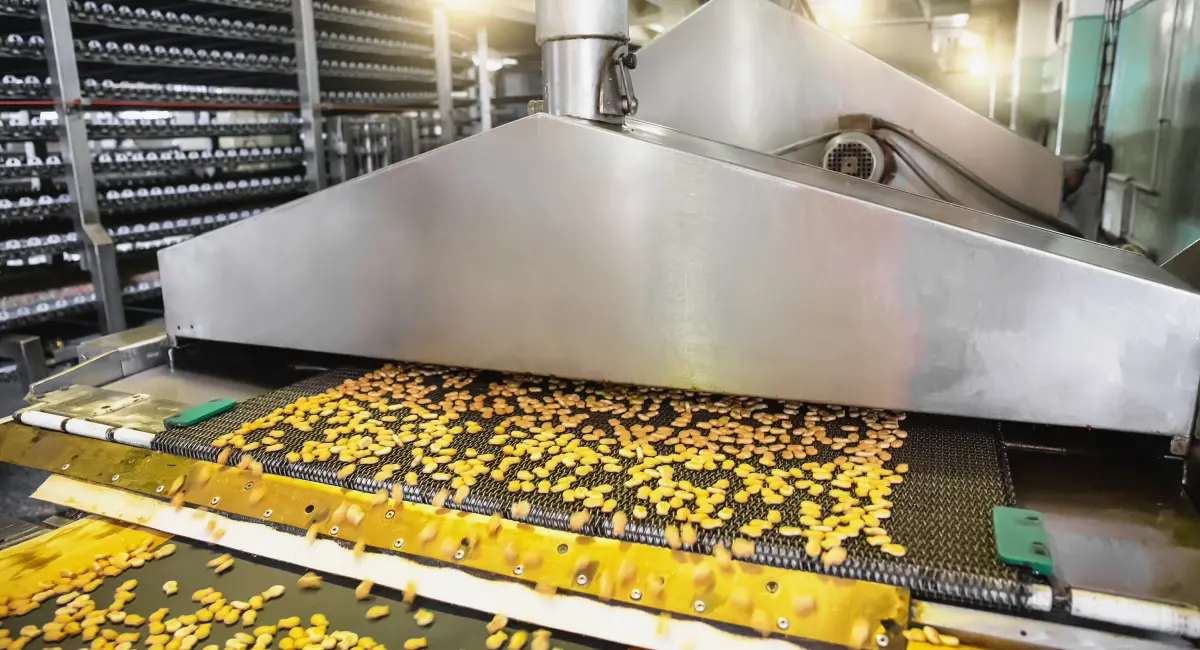
Shifting to Environmental Pest Management (EPM)
To break the cycle of recurring infestations, food processors must move toward Environmental Pest Management (EPM). This is a strategic pivot where we stop chasing the pests and start managing the variables that allow them to exist. This approach is essential for any facility looking to pass a high-level audit like SQF or BRC.
HVAC and Air Pressure Regulation
A building with "negative pressure" acts like a vacuum, sucking in air (and pests) every time a door opens. We work with facility managers to ensure their HVAC system maintains positive air pressure. This creates an invisible "air curtain" at every exit, making it physically difficult for flying insects like flies and moths to enter.
Strategic Dehumidification
In the humid tri-state summers, your facility can become a tropical environment. High humidity doesn't just encourage mold; it speeds up the life cycle of pests. By keeping your dry storage areas below 50% relative humidity, you can effectively "freeze" the reproductive cycle of many stored-product pests, preventing a small issue from becoming a total loss.
The Assured Environments Approach to Food Safety
At Assured Environments, we understand that protecting a food facility is a technical science. We don't just look for where the pests are; we look for the environmental triggers that allow them to be there in the first place. Our custom plans for high-use food facilities include:
- Integrated Pest Management (IPM): Tailored specifically to your production flow and urban location.
- Thermal Imaging and Moisture Mapping: To find hidden microclimates and leaks that sanitation teams miss.
- Structural Hardening: Professional-grade sealing of utility penetrations and floor-to-wall transitions.
- Audit Readiness Training: Helping your staff identify early environmental warning signs before an inspector does
Reliable Pest Support for NYC Food Plant Managers
Food processing plants across Manhattan, Brooklyn, the Bronx, and New Jersey face constant pest pressure. A single pest sighting can lead to a failed audit, a rejected shipment, or severe brand damage. Protecting your facility means thinking beyond the mop.
By focusing on indoor environmental variables, you reduce your liability and ensure a clean, compliant production environment. Assured Environments provides trusted sanitation and pest services for urban food facilities, designed specifically for the unique challenges of New York’s buildings. Contact us today to learn how we can help protect your property from the ground up.
Book Your Free Pest Inspection Today
Our local technicians will assess your property and recommend tailored solutions. Fast, friendly, and completely obligation-free.
- Safe, targeted treatments
- Local experts, fast response
- Trusted, trained technicians