© 2026 Ramac US, LLC © Copyright Assured Environments. All Rights Reserved
Why Even the Cleanest Facilities Can Harbor Hidden Pest Risks
Hospitals, clinics, and long-term care centers are expected to maintain the highest standards of cleanliness. Yet despite rigorous sanitation protocols, pest activity remains a risk, especially in areas of a building that rarely receive attention.
Rodents, cockroaches, and flies don’t need much to thrive. Hidden moisture, warm utility spaces, and structural access points can all allow pests to enter and spread undetected. When these issues surface, they threaten more than patient comfort. They compromise compliance, audit outcomes, and your facility’s reputation.
To safeguard patients and meet inspection requirements, facility teams must proactively monitor and address commonly overlooked pest hotspots.
Where Pests Tend to Hide in Medical Facilities
Medical buildings are complex environments, and not all pest activity happens in obvious places. While patient rooms and operating suites receive regular attention, many pest issues begin in utility and back-of-house spaces. Understanding where pests hide is the first step to staying ahead of infestations and maintaining healthcare compliance. These four areas are among the most commonly missed and most vulnerable:
Mechanical Rooms and HVAC Closets
Mechanical rooms are warm, dark, and rarely accessed, making them ideal for pests. Rodents can squeeze through gaps around utility lines or vents. Cockroaches and flies are drawn to moisture from leaking pipes or condensation. Infestations in these areas can spread through walls and ductwork if not addressed quickly.
For NYC and tri-state area hospitals with older infrastructure, these spaces require routine inspections as part of a broader commercial pest control program.
Janitor Closets and Mop Sink Rooms
Often small, humid, and cluttered, janitorial areas are a magnet for cockroaches and drain flies. Damp mop heads, standing water in floor sinks, and leftover residue can support breeding and nesting. Because these rooms are infrequently deep cleaned, infestations may grow unnoticed until there’s a visible problem elsewhere.
Under-Sink Cabinets and Staff Breakrooms
Even in highly controlled environments, staff spaces like breakrooms or shared labs are common entry points. Under-sink cabinets can harbor moisture and food waste, especially when combined with infrequent inspections. Mice, ants, and small insects find these areas hospitable, particularly when crumbs, snacks, or food containers are stored improperly.
Rooflines, Loading Docks, and Waste Corrals
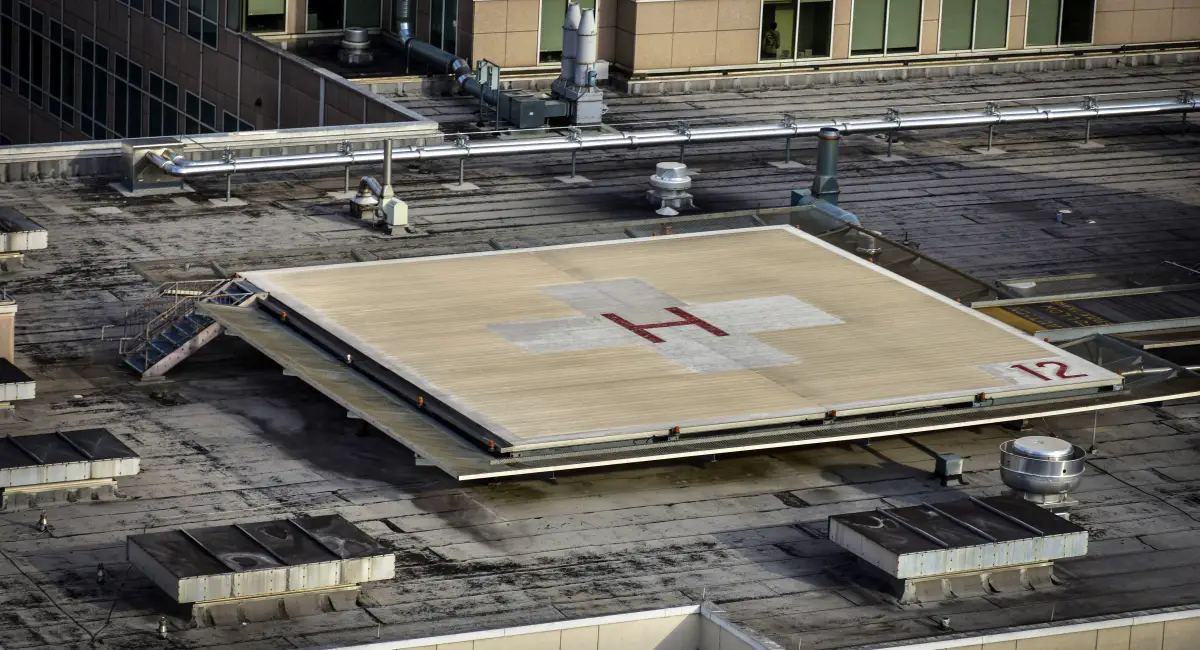
External access points are often the origin of pest problems in medical facilities. Birds, rodents, and flies are drawn to improperly sealed dumpsters, rooftop vents, or gaps near loading zones. If left unchecked, these entry points allow pests direct access to clinical and administrative areas.
Partnering with a local pest control provider familiar with New York City building codes and sanitation requirements is essential for protecting these exterior zones.
What’s at Stake: Patient Safety and Regulatory Compliance
While these areas may be easy to overlook, pests don’t stay hidden for long. A rodent sighting or fly outbreak in patient-facing zones can trigger immediate regulatory scrutiny. Agencies like the Joint Commission and local health departments expect healthcare facilities to demonstrate full control over environmental risks, including pest management.
Documentation is also essential. Facilities must maintain clear service records, device placement maps, and incident response logs to prove compliance during inspections. Gaps in pest control documentation can be just as damaging as an active infestation when audit time comes around.
Proactive Steps to Prevent Pest-Related Violations
Preventing pest issues in healthcare environments requires more than general sanitation. It takes a strategic, documented approach:
- Routine inspections in high-risk, low-traffic zones
- Integrated Pest Management (IPM) focused on prevention, monitoring, and minimal chemical use, supported by professional site disinfecting services when needed
- Facility-wide education so staff can recognize early signs and report concerns
- Ongoing documentation to track trends, service visits, and corrective actions
Partnering with a provider that specializes in healthcare environments ensures your strategy aligns with both infection control and regulatory standards.
Protecting Patients Starts Behind the Scenes
The most critical threats are often the ones you don’t see. Pest hotspots in HVAC rooms, janitor closets, or breakroom cabinets may not be on your daily checklist, but they can be the root cause of major compliance issues.
Assured Environments helps healthcare facilities across New York, New Jersey, and Connecticut stay ahead of pest problems. Our tailored commercial programs focus on prevention, risk reduction, and audit-readiness because we know what’s at stake in medical environments.
Reach out today to schedule a healthcare risk assessment and get a targeted pest management plan designed for your facility.
Book Your Free Pest Inspection Today
Our local technicians will assess your property and recommend tailored solutions. Fast, friendly, and completely obligation-free.
- Safe, targeted treatments
- Local experts, fast response
- Trusted, trained technicians