© 2026 Ramac US, LLC © Copyright Assured Environments. All Rights Reserved
Bird nesting in May puts real pressure on commercial buildings across the tri-state region, and the problem is often far worse than it looks. Acidic droppings eat into surfaces, nests block drains, and rooftop systems start to fail.
For teams running multi-tenant, mixed-use, or institutional sites, now is the time to act. Once birds settle in, removing them gets harder, costs more, and disrupts everything from tenants to maintenance schedules.
Why Spring Nesting Activity Drives Facade Damage
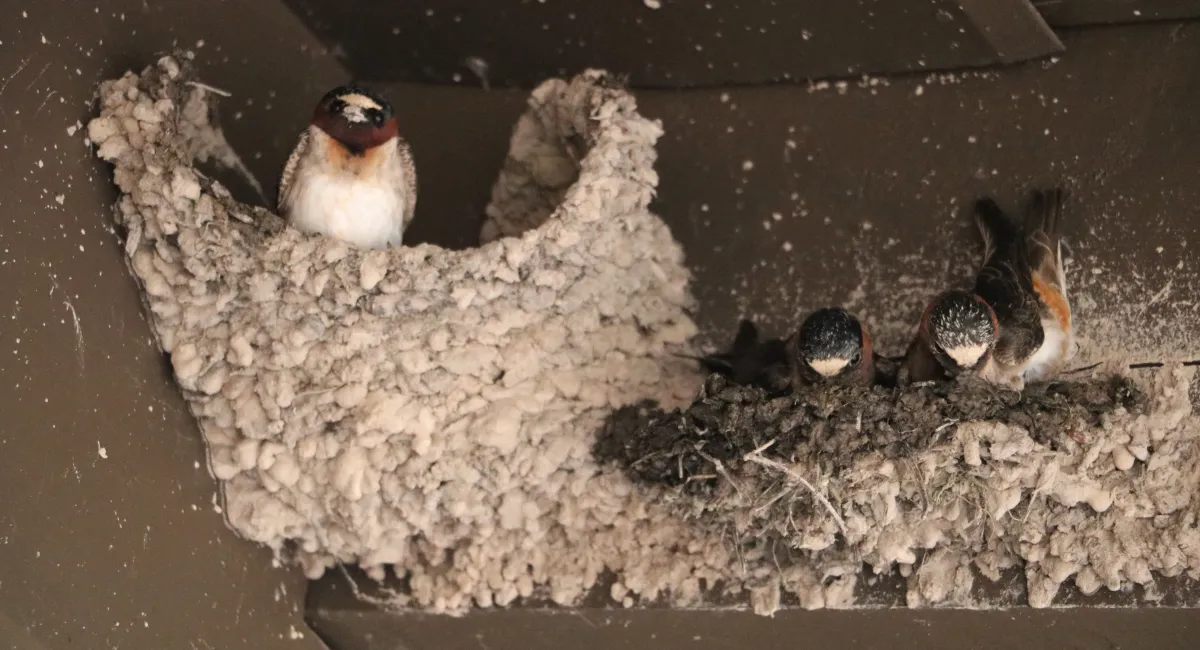
Pigeons, starlings, and sparrows thrive on city buildings. Ledges, signs, rooftop units, and facade gaps all make easy nesting spots. The damage builds up fast, without most owners and site managers realizing it:
- Surface damage: Droppings are acidic. They wear down stone, metal, sealants, and paint, aging the facade early and pushing up repair bills.
- Blocked drainage: Nests, feathers, and debris clog gutters and drains. Water pools, overflows, and can seep into the structure.
- HVAC problems: Birds nest in rooftop units and air intakes. That blocks airflow, spreads contamination, and makes systems work harder.
- Health and safety risks: Droppings build up at entrances and service areas, creating slip hazards and health concerns for tenants and staff.
In areas with strict facade rules, like New York City's Local Law 11, these issues make compliance harder and push maintenance schedules off track.
The Cost of Waiting
Timing is the biggest challenge in bird management. By early summer, most infestations are already settled in, and the brood is growing, which makes fixing the problem harder, more expensive, and more disruptive.
Wait too long and you'll see:
- Higher cleaning and maintenance costs across the facade and shared spaces
- Faster wear, meaning earlier repairs or restoration
- Unhappy tenants, especially in Class A and mixed-use buildings
- Operational disruption when deterrents have to go in reactively
Acting in May stops birds before they fully settle. That keeps costs down and keeps day-to-day operations running smoothly.
Protecting Facades With Exclusion and Deterrents
Commercial bird control isn't a one-product, one-install solution. It's a plan built around your building's design, exposure, and day-to-day operations.
Common solutions include:
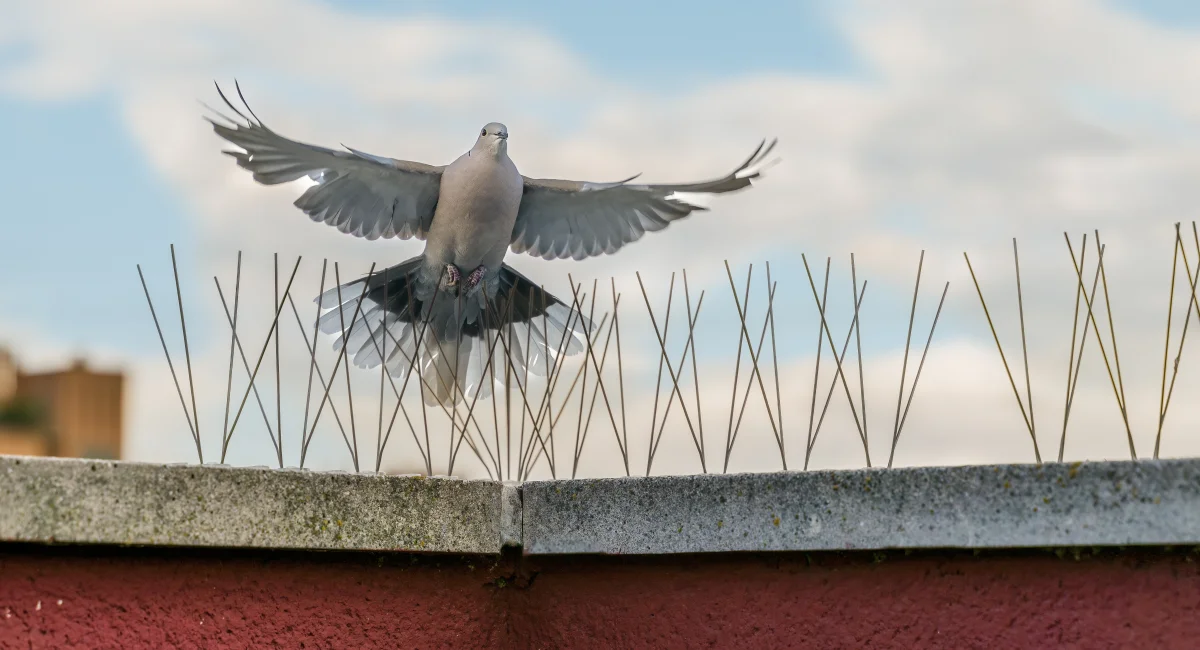
- Physical exclusion: Netting and mesh barriers block birds from ledges, loading docks, and rooftop kit. Done properly, they're discreet, durable, and blend into the facade.
- Perch deterrents: Spikes and slope systems stop birds landing or roosting, without changing how the building looks or works.
- Electrified tracks: Low-profile systems stop birds settling on detailed architectural features where netting won't fit.
- Behavioral deterrents: Visual and sensory tools help, but work best alongside physical controls.
Used together, these measures push birds away from the building — without simply moving the problem to another part of the site.
For buildings already dealing with bird activity, a tailored plan through commercial bird control and deterrent services makes sure the fix matches both the structure and the scale of the problem.
Fitting Bird Management Into Your Maintenance Plan
Bird control works best when it's part of your wider maintenance plan. Spring facade checks, waterproofing, and rooftop servicing all give you a chance to spot and fix bird problems before they spread to other buildings.
Planning early lets you:
- Install exclusion systems without disrupting busy occupancy periods
- Build costs into capital budgets instead of reacting in a panic
- Avoid clashes with facade or roofing work already booked in
- Get more value from access equipment and labor
For managers running several sites, adding bird risk to seasonal planning keeps things consistent and helps control long-term costs.
Why Every Site Needs Its Own Assessment
No two buildings face the same bird pressure. Height, nearby buildings, food sources, and facade design all shape where and how birds settle.
A professional assessment looks at:
- Entry points, roosting spots, and nesting hotspots
- The species involved and how active they are
- How birds interact with building systems like HVAC and drainage
- Where exclusion systems should go and what spec they need
This kind of detail matters. Without it, solutions are often insufficient or fail too early.
As part of broader industry-specific pest management solutions, bird control slots into a wider risk plan, especially across mixed-use, commercial, and institutional portfolios.
A Short Window To Act
By late spring, the window for low-cost, low-disruption bird control starts closing. Once nests are established, legal protections and operational limits make it much harder to step in.
Treating bird control as facade protection, not just a cleaning job, ensures property managers act sooner, protect the building, and avoid higher costs later.
For teams weighing up next steps, knowing where solutions like bird netting installation for commercial buildings fit into the bigger picture helps with both short-term action and long-term planning.
A clear, site-specific plan now prevents much bigger problems later in the year.
If your properties are showing early signs of bird activity, or you want to get ahead of the season before it escalates, our team can help. Request a site assessment to understand your building's specific risk profile and explore the right protection strategy for your portfolio.
Book Your Free Pest Inspection Today
Our local technicians will assess your property and recommend tailored solutions. Fast, friendly, and completely obligation-free.
- Safe, targeted treatments
- Local experts, fast response
- Trusted, trained technicians