© 2026 Ramac US, LLC © Copyright Assured Environments. All Rights Reserved
Commercial buildings across New York State face rat problems in urban centers and surrounding boroughs, suburbs, and industrial zones.
From health department violations to costly repairs, rat infestations can disrupt operations and damage your reputation. Professional exterminators use a structured approach that includes inspection, removal, exclusion, and environmental changes to help eliminate rats and prevent their return. Understanding what happens during a commercial pest control visit can help you prepare your facility and stay ahead of regulatory requirements.
How Do Professional Exterminators Get Rid of Rats?
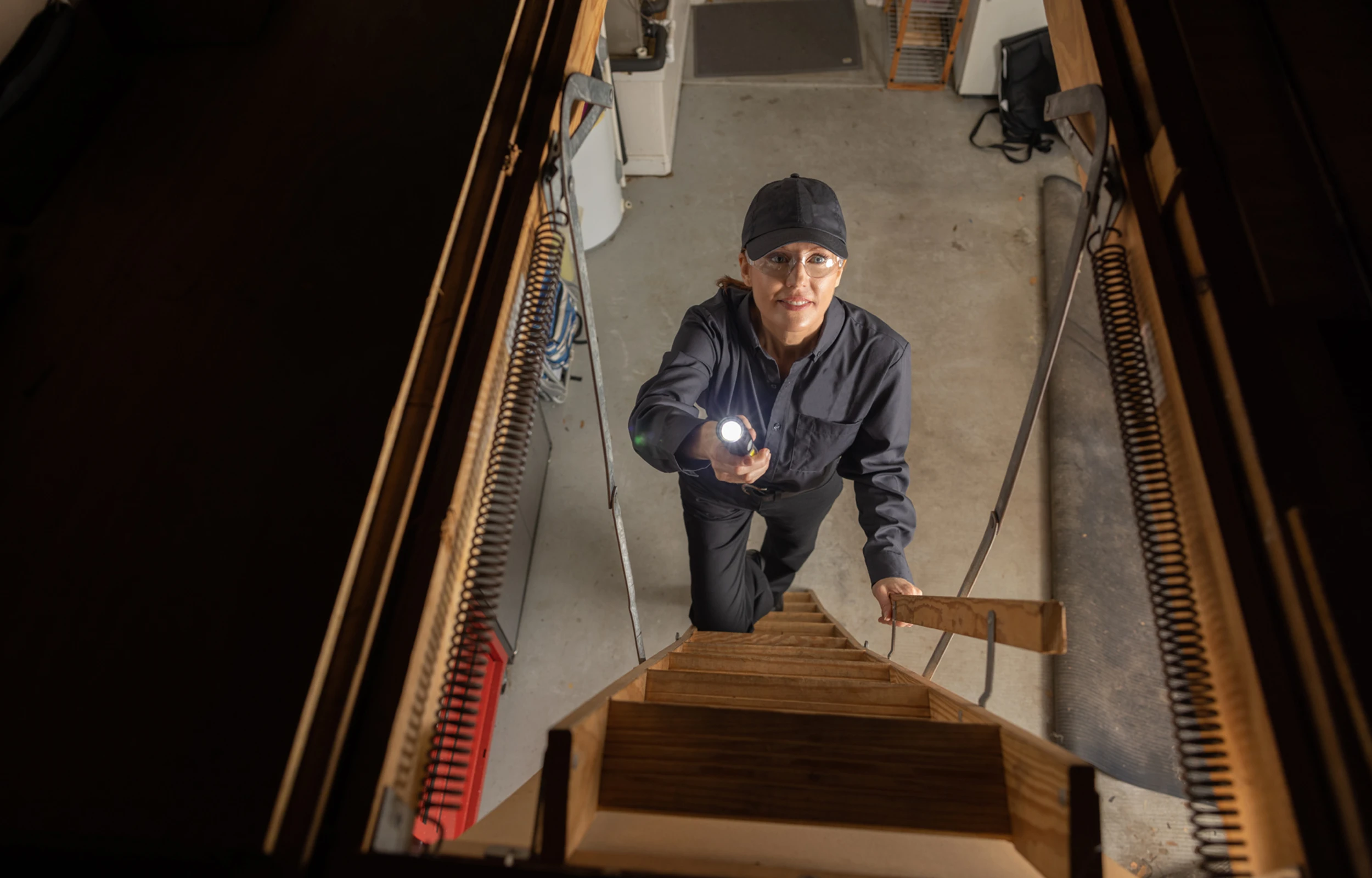
Professional rat exterminators begin with a thorough site inspection. Experienced technicians assess the building for signs of rat activity, identify the species, and pinpoint entry points and high-risk areas. This information is used to build a tailored plan for treatment and prevention.
Species identification is crucial, as different rat species require different approaches. Norway rats burrow and tend to stay at ground level or below, often in basements or near foundations, while roof rats are climbers and nest in ceiling voids and upper floors. Technicians look for droppings, rub marks, burrows, and gnawed materials to confirm which species is present and shape the response accordingly.
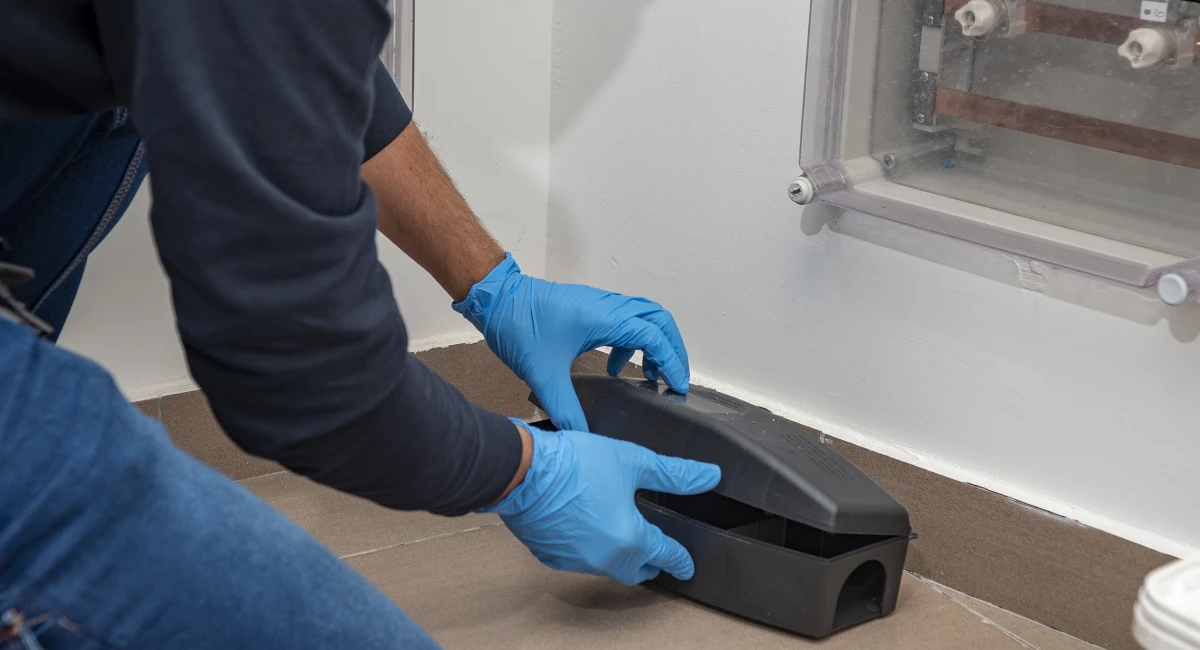
Once problem areas are mapped, traps and tamper-resistant bait stations are placed in strategic locations. All equipment is installed discreetly and designed for use in sensitive commercial environments such as schools, hospitality, and healthcare facilities. Results are monitored closely, with trap placement adjusted based on activity trends. Finally, structural gaps are sealed to help prevent rats from returning.
How Does Rat Extermination Work? – Step by Step Guide
The rat extermination process typically includes the following steps:
1. Inspection and Identification
We look for signs of activity and determine the rodent species. For Norway rats, we check sidewalk vaults, basements, and utility chases. Unlike mice, rats often travel 100 to 150 feet from their nests, using predictable paths along walls and pipes. Our technicians map these routes and identify nesting areas to build a focused control plan. This initial free pest inspection is essential for understanding the scope of the problem.
2. Trapping and Baiting
We install tamper-resistant bait stations in low-traffic areas, such as mechanical rooms, behind appliances, or near dumpsters. Snap traps are placed along active rat runs, such as beam corners and utility lines. Rats are cautious and more trap-shy than mice, so we calibrate our traps and placement strategies to match their behavior. In dense urban areas, bait security is essential, so we ensure all bait is properly enclosed to minimize risk to people, pets, and non-target animals.
3. Exclusion and Sealing
Rats often enter through foundation cracks, open utility penetrations, and structural defects. Common problem areas include cellar doors, vent holes, pipe entries, and gaps around elevator shafts. We seal these with heavy-duty materials such as concrete filler, metal mesh, and kick plates. Because rats can gnaw through softer materials, we focus on long-lasting solutions suited to commercial properties. Proper exclusion is a cornerstone of effective rodent control.
4. Vegetation and Structural Changes
Overgrown weeds, planter boxes, and poorly positioned dumpsters can provide shelter and access for rats. We may recommend trimming dense vegetation, relocating outdoor waste bins, and securing loose materials stored in alleys or loading areas. Our vegetation management services can help reduce outdoor harborages, especially around restaurants, apartment complexes, and other high-risk buildings.
5. Monitoring and Follow-Up
We monitor bait uptake and watch for new signs of activity. We offer digital reporting for clients subject to city inspections or operating under strict compliance requirements. Rats reproduce quickly and can adapt fast, so regular follow-ups are key. These visits allow us to fine-tune our approach and ensure long-term results, something DIY methods rarely provide at the scale needed in densely populated areas.
Managing Rats in High-Traffic Areas
Rats in New York, New Jersey, and Connecticut take advantage of shared walls, cluttered basements, and aging utility systems. The only way to control infestations is by building a strategy tailored to local conditions, tight spaces, and heavy foot traffic.
Commercial kitchens, multi-tenant buildings, and retail properties often have complex layouts with multiple entry points. Our technicians are trained to work discreetly in these environments and use pest control tools that meet commercial standards.
Professional exterminators are familiar with local regulations and sanitation requirements. Unlike DIY solutions, the process is carefully planned and documented to meet health and safety standards. Whether preparing for a city inspection or managing a regulated facility, our service aligns with compliance requirements and protects your operations.
Rat Control and Regulatory Compliance in and Around NYC
Rat extermination for commercial businesses in New York and the tri-state area is a legal obligation to meet strict sanitation and pest control standards and avoid fines, closures, or legal action.
Health inspectors regularly audit high-risk buildings through programs such as rat indexing. If rats or evidence of infestation are found, properties may face violations or be required to hire a professional exterminator at their own expense.
For exterminators, this means every service must align with local requirements, including:
- Installing tamper-resistant bait stations in approved locations
- Using commercial-grade materials to seal structural gaps
- Providing detailed records of inspections, treatments, and follow-ups
Recordkeeping is essential during audits, especially for regulated facilities in foodservice, education, pharmaceutical production, or healthcare. Our process is built to meet these standards, helping you stay compliant while tackling rat problems at the source.
Commercial Rat Control Services Near You
Assured Environments has worked with commercial clients across New York’s five boroughs and surrounding areas for over 85 years. Our technicians are trained to handle rat problems in busy environments, including warehouses, restaurants, retail sites, and high-occupancy buildings.
We understand how rats travel through shared systems, climb between units, and nest in overlooked spaces. Our exclusion and monitoring services are designed for commercial buildings, where downtime, reputation, and compliance all matter.
Need support now or want to plan ahead? Contact us today to schedule a visit and find out how we can help protect your building.
Frequently Asked Questions
A passed inspection means no active signs of rat activity were found during the visit. It's not a guarantee that rats are completely absent. Conditions can change quickly, which is why ongoing monitoring is always recommended.
Yes, rats are capable climbers and can scale vertical surfaces, including the inside of pipes and utility shafts, to reach upper floors of a building. This is one reason why sealing internal access points is just as important as securing the building's exterior.
You may notice a temporary increase in activity immediately after treatment, as pests are disturbed and on the move; this is a sign the treatment is working. A visible reduction in activity typically occurs within a few days, though follow-up visits help confirm that the program is on track.
Staff play a key role by promptly reporting sightings, maintaining proper sanitation practices, and storing food in sealed containers. Reducing clutter and flagging any new gnaw marks or droppings early helps your technician respond before a problem grows.
Documented pest control records demonstrate proactive property management, which can support insurance claims and provide reassurance to prospective buyers or tenants. Some insurers and auditors may also require evidence of a pest management program as part of compliance requirements.
Book Your Free Pest Inspection Today
Our local technicians will assess your property and recommend tailored solutions. Fast, friendly, and completely obligation-free.
- Safe, targeted treatments
- Local experts, fast response
- Trusted, trained technicians