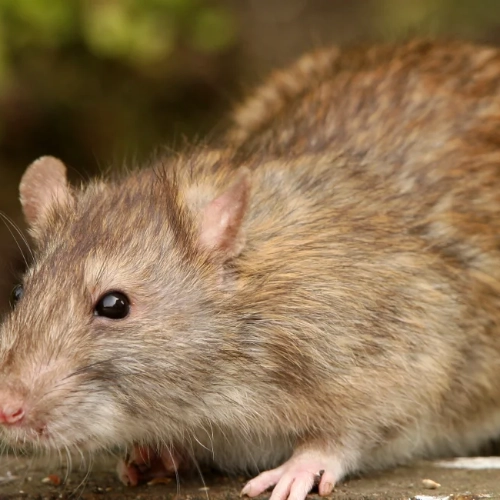
Other Rat Characteristics
Rats instinctively avoid particular tastes and odors, which limits the effectiveness of repellents. In fact, no product that eliminates an infestation once it is established has yet been discovered.
They have poor eyesight and depend on their sense of smell, taste, and touch to navigate and track food odors in kitchens, pantries, and storage rooms. Moreover, their ability to locate small food particles and water sources creates risks in healthcare settings, cafeterias, and waste disposal zones.
Rats are also vectors for serious health threats. They can transmit bacterial, protozoan, and viral pathogens to humans and animals, as well as internal parasites like worms and external parasites such as fleas, lice, and mites. This means that infestations in multi-unit basements, mechanical rooms, and refuse areas may quickly spread health risks throughout a building.
These characteristics make rats a significant compliance issue. Effective rat infestation control in regulated industries requires professional rodent control services that focus on inspection, prevention, and long-term monitoring.