800-942-7123 Call Now Book a Free Inspection

Mice Control & Extermination

Known for destroying property and spreading harmful pathogens, mice populations can quickly multiple into vast nests (or mischiefs) in businesses across New York, New Jersey, and Connecticut. They climb, jump, and run over countertops, sinks, and equipment, contaminating machinery and food preparation areas. This risks violating health and safety rules, resulting in fines and product recalls.

Professional mouse control can help limit the damage. Assured Environments is a trusted pest control provider that supplies customized treatment to commercial businesses. We build long-term prevention plans to remove mice humanely and stop future infestations.

Contact Your Pest Control Expert to Schedule a Free Inspection Today!

Do you need help with a mouse pest problem right now? If you manage commercial property in New York, New Jersey, or Connecticut, use the form below to schedule a consultation or service call today.

* Required field

Download this report

Are you a *

Types of Mice in New York and the Tri-State

There are two main types of mice in NYC, New Jersey, and Connecticut, each with its own physical and behavioral characteristics:

Deer Mice

Deer mice, also called field mice, are a sturdy mouse species that tend to prefer life outside. They live in fields and forests and can survive winter’s colder temperatures.

Identify deer mice by their gray or reddish-brown bodies and white bellies. They often have white feet as well. Their faces end in a pointed nose, and they have dark beady eyes and larger ears. Deer mice also have long whiskers and longer, hair covered, tails.

House Mice

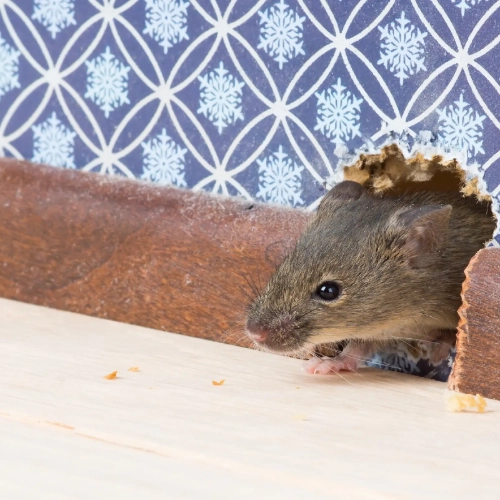
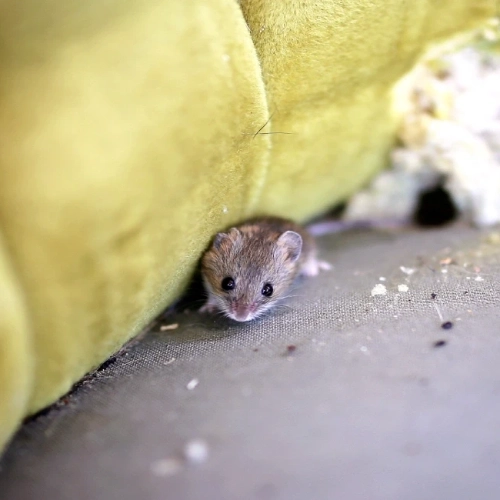
House mice are the most likely species of New York mice you’ll encounter. They are smaller than deer mice with rounded ears and uniform body color – usually gray, black or brown without the white belly. Their tails are long, thin and hairless.

House mice have softer fur and were bred to become the domesticated or fancy mice you find at a pet store.

Common Places to Find Mice

Mice nest in quiet, concealed places close to food and warmth. Some of their favorite spots are behind refrigerators, inside wall voids and attics, or under baseboards and crawlspaces. You might also find them near utility lines or electrical panels, where they follow natural pathways like cables or beams.

Sometimes, they’ll leave mysterious piles of shredded paper, nesting material, droppings, or gnaw marks in kitchens, break rooms, cupboards, or around dumpsters and janitorial closets. Inspections closely track these high-risk areas, and any signs of mouse activity can have serious consequences for property owners and site managers.

Let your professional pest control expert know what you've seen and where, and they’ll find a suitable solution to eliminate the active infestation and deter future intruders.

Signs of Mouse Infestation

Mice are often heard before they’re seen, sticking to covered pathways to evade detection. However, watch out for droppings and waste debris around:

  • Break rooms and pantry areas
  • Janitorial closets
  • Mechanical rooms
  • Drop ceilings and utility chases
  • Under shelving in storerooms
  • Around dumpsters and compactor rooms
  • Near loading docks

Other indicators include scampering or scratching noises, damaged wiring or packaging, and strong musty odors. 

Assured Environments’ mouse exterminators will respond quickly to reported sightings and work discreetly to keep your facility compliant and operational. Our technicians are trained in eco-conscious Integrated Pest Management (IPM) practices and understand the requirements of LEED-certified buildings, ensuring our approach aligns with both environmental standards and your facility’s compliance needs.

Mouse Infestation and Prevention

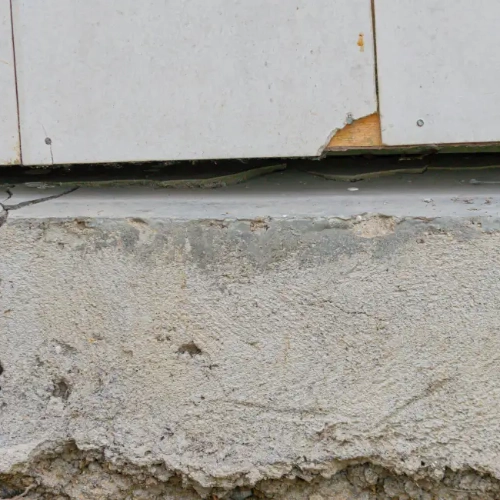
Mice exploit small openings to get inside. This includes foundation cracks, unsealed pipe penetrations, and gaps under exterior doors. Then they’ll follow wall voids, utility corridors, and ceiling spaces to access kitchens, storage, or high-risk areas.

Gaps around HVAC units, utility chases, and openings near dumpsters or exterior trash enclosures are also vulnerable to infiltration.

Healthcare and food production facilities must comply with sanitation and contamination control regulations. You need to close gaps that could otherwise lead to pest ingress, audit citations, and costly violations. Common exclusion materials include caulk for sealing fine cracks and steel mesh or wool for larger openings where rodents might otherwise chew through.

Tips for Mouse Prevention

Proactive prevention limits your risk. Here’s what your team can do:

  • Seal Entry Points: Install door sweeps on all exterior doors and use rodent-proof materials like hardware cloth, aluminum flashing, or concrete to seal exterior holes and openings, including gaps around vents and HVAC units on the roof.
  • Manage Food Sources: Designate specific food areas and discourage employees from eating at desks. Regularly clean food serving, preparation, and storage areas, and ensure dumpsters and garbage bins are tightly covered and kept away from the building.
  • Reduce Harborage: Trim back vegetation around buildings, especially low, dense shrubs and tall grasses. Store firewood and unused equipment away from the building and remove clutter, such as old boxes.

For additional help preventing and getting rid of mice, contact Assured Environments for custom solutions tailored to your unique situation. Our integrated pest management (IPM) approach treats active infestations, mitigates the risks, and monitors performance for lasting results.

Mouse Habits and Life Cycle

Mice are polygamous, meaning they have multiple mates. They are nocturnal and shy around humans, making direct sightings rare. The first indicator of activity is usually scratching or rustling in the walls, and visible evidence during the day. Find out more about their behavior below.

Fruit is a favorite food for mice

Mouse Behavior and Diet

Primarily herbivores, mice eat plants, fruits, and grains. However, they are resourceful and routinely eat waste scraps left in kitchens, break rooms, and refuse areas. They usually consume small amounts of food over 20 times daily and chew on almost any available material, including furniture, clothing, and electrical cords. This constant gnawing helps keep their continuously growing teeth sharp, but increases the risk of electrical fires and short-circuits.

Mice rely heavily on their whiskers to detect changes in airflow, which helps them navigate tight spaces and locate entry points. They are also cautious feeders, nibbling small amounts of food in many locations rather than consuming one large meal.

They typically stay within 25 feet of their nests and therefore establish themselves close to reliable food sources. This behavior helps with pest control; strategically placing traps and baits in areas with known activity can significantly improve results. Understanding their habits, such as their preference for hidden pathways within wall voids, ceiling spaces, and behind equipment, is key to successful mouse extermination and prevention.
Mouse Reproduction

Female mice as young as four months can produce up to 15 litters per year, with each litter averaging six to twelve pups. Remarkably, a female can become pregnant again within just one day of giving birth, which means populations can expand at an alarming rate once a pair is established. These reproductive habits quickly overwhelm commercial facilities, so regular inspections and documented pest logs are critical in regulated industries.

Mouse pups are born blind, hairless, and without ears, but they develop rapidly, reaching full sexual maturity in about five weeks. In the wild, mice generally live less than a year, but within the protected environment of a building, they may survive for two to three years, allowing infestations to persist if not actively managed.

Mouse Treatment and Removal

Solving your mouse problem can be challenging because mice are small, intelligent, and prolific. Businesses in the tri-state area need reliable, fast-acting solutions based on their building layout, risk level, and industry standards. Unfortunately, store-bought deterrents are not always effective: 

Bait Traps

It is a mistake to think that setting traps with poison bait will effectively eliminate a mouse population. However, mice are naturally cautious; after consuming even a small, non-lethal amount of poison, they develop ‘bait shyness’. This means they learn to associate the bait with illness and subsequently avoid both the bait and the trap.

Ultrasonic Mice Repellent Devices

These devices are not a quick fix and are broadly ineffective. Mice rapidly get accustomed to the unfamiliar noises they emit, quickly learning to ignore the repeated beeps that are inaudible to humans. Furthermore, these devices are directional, meaning the sound waves cannot penetrate solid objects, and their intensity diminishes significantly with distance. No scientific evidence supports the claim that vibratory, auditory, or magnetic devices can effectively deter mice, rats, or any other creatures from a building.

What Can You Expect from Assured Environments?

Assured Environments is the tri-state’s largest and oldest commercial pest management company, protecting facilities since 1934. When you partner with us, you gain a dedicated team that creates customized programs for your rodent control service needs. We help manage existing infestations and design prevention strategies for year-round protection.

Industry Leaders

We’ve been setting the standard in commercial rodent control for decades. With deep experience across many industries, we bring proven insight and consistency to every service visit. Earning the trust of property teams across New York, New Jersey, and Connecticut.

Tailored Plans

We understand that no two facilities are the same. That’s why we offer flexible service plans that adapt to your floor layout, schedule, and pest history. Whether you are a property or site manager, our programs are built to fit your business.

Proven Results

Our programs are backed by years of proven success in managing pests at commercial and residential sites. From detailed reporting to scalable plans, we provide peace of mind and help protect your property, your people, and your bottom line.

Want to learn more about Assured Environments’ mouse pest control solutions? You can read more about the Assured Difference here.

Mouse Frequently Asked Questions

Yes. Mice can easily squeeze under doors and through narrow cracks. That’s why filling these gaps in your home is essential, especially in the fall when pests seek shelter from colder temperatures. The best way to stop mice from getting under your door is to add weather stripping or to install a door sweep.

Mice have been known to squeeze through a ¼ inch hole. That’s about the size of a dime. They can also chew smaller holes, making them wide enough to gain access. Caulk any gaps along your exterior walls to keep mice from getting in.

Absolutely. Mice can climb stairs and much more. They are accomplished climbers that can scale the sides of homes or use trees or shrubs to gain access to upper-level windows. Don’t discount the ninja-like power of a tiny mouse!

Mice are surprisingly adept jumpers that can clear distances as high as one foot. This spring-like ability helps them get into food containers and other areas where you might not expect them.

Mouse urine isn’t different from that of other animals. Stains appear dry, crusty, yellow, amber, or brown. Clean stains as you discover them to prevent the spread of disease.

Mice are known to carry several diseases, viruses, and maladies that can lead to illness in humans and pets. If you feel unwell when you come into contact with mice, consult a health professional for advice and treatment.


Ready to Get Started?

Contact us today for a free, no-obligation quote!

800-942-7123


Find Your Local Branch

Go

Get in Touch

Contact Assured Environments now to arrange a free risk assessment and explore tailored solutions for your commercial site.

About Us

Learn about Assured Environments, the best commercial pest control for New York and the surrounding area. Get Assured Environments pest control services today.