© 2026 Ramac US, LLC © Copyright Assured Environments. All Rights Reserved
Every hospitality operation understands that small details define the guest experience, but the details guests notice most often occur when something goes wrong. Few things undermine confidence in a hotel lobby, dining room, or event space faster than visible flies.
March is a vital time for hospitality facilities across the New York metropolitan area. Winter's lower temperatures have kept fly breeding suppressed, but the organic residue that fuels it — in drains, grease traps, bar sinks, and waste chutes — has been accumulating steadily through months of full kitchen and bar. Grime will attract pests as soon as it gets warm. The only question is if a facility has been cleaned before that happens.
Early fly control services address exactly this: a structured, infrastructure-level approach to eliminate breeding conditions before peak season, protecting your operation through the highest-revenue months of the year.
Why March Fly Remediation Is Critical for Hospitality Operations
Most hospitality operations respond to fly activity after it appears. By that point, breeding conditions have been established, adult flies are already emerging, and the window for prevention has closed. The shift from manageable to urgent can happen within days once temperatures reach the threshold, and it typically coincides with the start of the busiest operational period of the year.
A single fly sighting during a health department inspection or third-party audit can trigger a violation, a reduced score, or a non-conformance finding, any of which carries consequences for licensing, brand reputation, and guest confidence. For operations and facilities leaders, March remediation is not premature. It is precisely on time.
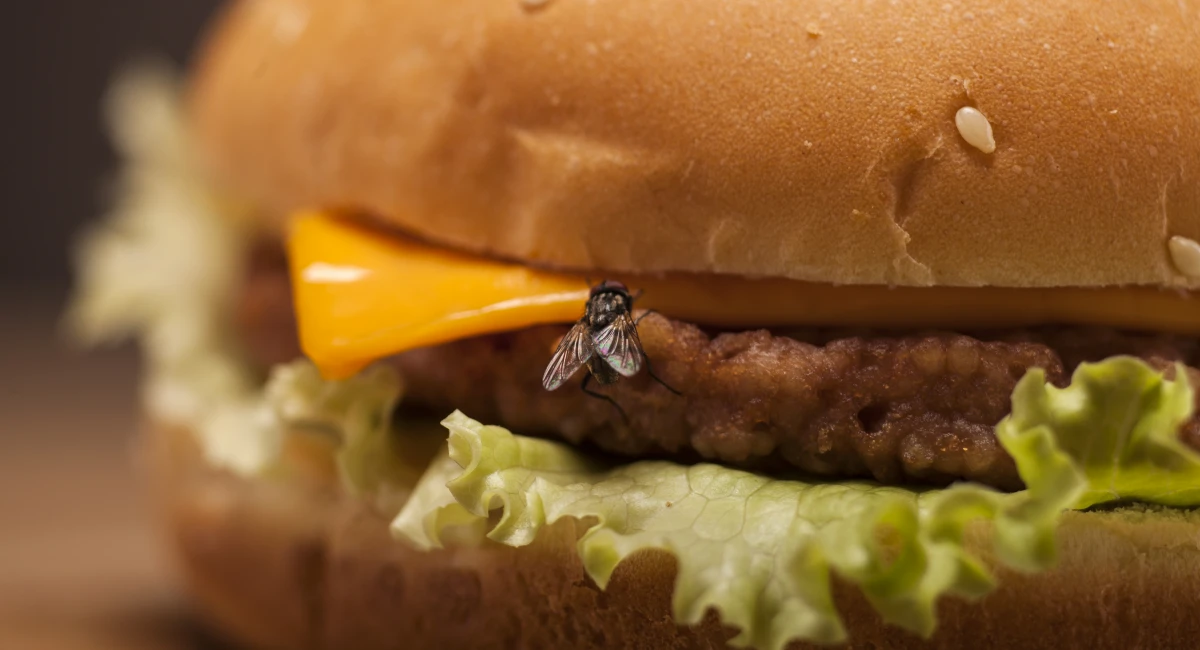
What a Fly Sighting Actually Costs a Hospitality Business
The visible fly is never the real problem. It is the indicator of a deeper infrastructure issue and in hospitality, the consequences of that indicator land harder and faster than in almost any other commercial sector.
Health department inspectors in New York City and surrounding jurisdictions treat flying insect activity as evidence of sanitation failure. A fly observed in a food preparation area, bar, or dining room during an inspection does not result in a warning. It results in a point deduction that is recorded, published, and — in NYC's letter-grade system — displayed publicly at the establishment's entrance. For hotels with multiple food service outlets, the risk increases. Each outlet may be inspected independently, meaning a shared infrastructure issue can generate findings across multiple zones within a single property.
Third-party audits add another layer. Hotels and restaurants operating under franchise or management company agreements are held to brand standards that treat pest findings seriously. A fly-related issue during an audit can trigger corrective action plans, follow-up inspections, and, if repeated, reviews of the franchise or management agreement itself.
Then there is the final critic, the general public that visits as your guests. Online reviews mentioning flies in a restaurant or hotel lobby carry weight. A single review referencing pest activity can suppress bookings and erode the trust hospitality brands invest heavily in building. The connection between fly control and guest satisfaction is well established, but the window to prevent the problem is narrower than most teams realize.
Why March Is the Turning Point
Throughout winter, commercial and shared kitchens steadily accumulate organic residue in drains, grease traps, and waste systems. While temperatures stay low, nothing hatches. Nothing breeds. It just sits there.
But many small fly species common in hospitality environments, drain flies, phorid flies, and fruit flies, are already present in that grime, hidden in their egg and larval stages. They are just not visible yet. In the New York metro area, temperatures typically reach the 15–18°C (60–65°F) threshold in late March to early April, and once they do, breeding accelerates fast. Eggs can hatch within hours. Adult flies can emerge in as few as seven days. A single female drain fly can lay 30 to 100 eggs deep inside your drainage infrastructure, not on surfaces your team can see or clean.
That is what makes March so deceptive. A few overlooked eggs now can escalate into a serious problem by the time peak season starts. By the time adult flies appear in a kitchen or dining room, the next generation is already developing below. Targeting the egg and larval stages in March, and the grime that sustains them, is what makes pre-season planning so effective.

Where "Invisible" Risks Accumulate in Hospitality Properties
Hospitality operations maintain a high standard of visible cleanliness; this is fundamental to the guest experience. But fly breeding does not occur on the surfaces guests see or that front-of-house teams clean. It occurs in the infrastructure beneath and behind those surfaces.
The highest-risk areas include:
- Bar and kitchen floor drains — Biofilm accumulates inside the drain bodies and lateral lines, where routine cleaning does not reach. Sugar residue from beverage service and grease from kitchen operations create particularly productive breeding environments in drain traps and low-flow pipe sections.
- Grease traps and interceptors — Required in most commercial kitchen configurations, these units capture fats, oils, and grease but also create ideal fly breeding conditions when service intervals are stretched or cleaning is incomplete.
- Trash chutes and compactor areas — In hotels and large-format restaurants, organic residue adheres to chute walls and compactor housings, creating breeding sites that are difficult to inspect between scheduled cleanings.
- Beverage storage and prep areas — Soda lines, beer tap drains, and juice prep stations generate sugar-rich residue that attracts fruit flies. These areas are often cleaned superficially but not treated at the drain or line level.
For operations and facilities managers preparing for the spring and summer peak, these are the areas that warrant targeted assessment in March — not because they are neglected, but because they require specialized intervention beyond standard kitchen and housekeeping protocols.
Building a Pre-Season Remediation Program
Effective March fly remediation is not a single service call. It is a structured program that addresses breeding substrate, structural vulnerability, and monitoring capability before temperatures trigger reproductive cycles.
- Drain and grease trap bioremediation — Professional drain cleaning and fly drain treatment programs use biological agents to break down the organic biofilm that sustains fly larvae. Unlike chemical drain cleaners, bioremediation eliminates the breeding medium itself rather than displacing it. For properties with extensive kitchen, bar, and banquet drain networks, this work should be completed before consistent warm weather arrives.
- Structural exclusion — Verifying that pest exclusion measures are intact: door sweeps, air curtains at kitchen entries, screen integrity on windows and ventilation points, and sealed utility penetrations. In older hospitality properties where buildings have settled and infrastructure has aged, exclusion gaps are common and often undetected until fly activity reveals them.
- Monitoring and documentation — Insect light traps inspected, relamped, and repositioned ahead of the season. Glue boards replaced and baseline counts recorded. This data provides early warning of emerging activity and creates the documented evidence that health inspectors and brand auditors expect to see.
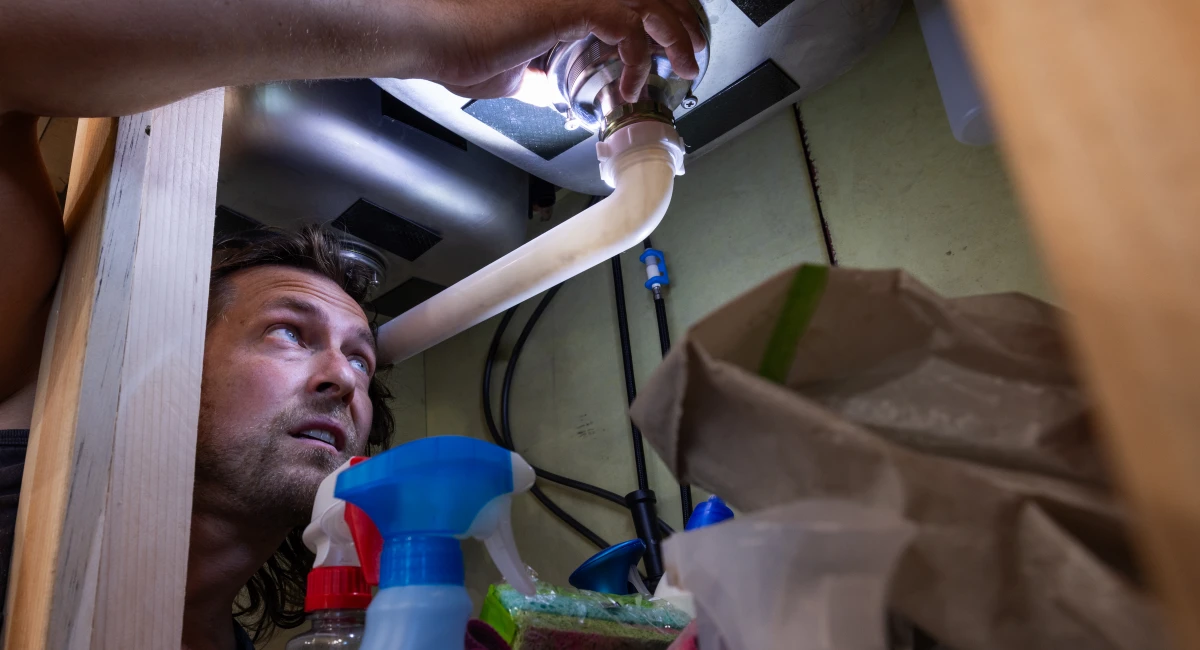
How Remediation Protects Your Operations
For hospitality operations, spring is not just the start of fly season; it is the start of peak season. Outdoor dining opens. Event bookings increase. Hotel occupancy climbs. The operational demands on kitchens, housekeeping, and facilities teams intensify precisely when fly pressure begins to build.
A pre-season remediation program completed in March means that when the first warm weeks arrive, the infrastructure is already clean, sealed, and monitored. It removes the need for reactive treatments during service hours, eliminates the risk of guest-visible pest activity during the highest-revenue period, and ensures that inspection and audit outcomes reflect the standard the operation actually maintains.
For leaders managing multi-unit portfolios or complex hotel properties, a documented, standardized remediation program across locations creates consistency in audit outcomes and reduces the management overhead of responding to fly issues property by property.
Starting the Conversation Now
Assured Environments works with hospitality operations across the New York tri-state area to design and deliver fly control program that address the full scope of risk, from drain bioremediation and chute cleaning to structural exclusion and monitoring optimization. Our programs are built around the inspection standards and brand requirements your operation is measured against.
A targeted pre-season remediation program is one of the most effective steps to protect guest experience, inspection outcomes, and revenue through the busiest months of the year.
Check your drains and waste areas now to stop flies before the spring rush. A March plan protects your guests and ensures you pass inspections during your busiest months.
Book Your Free Pest Inspection Today
Our local technicians will assess your property and recommend tailored solutions. Fast, friendly, and completely obligation-free.
- Safe, targeted treatments
- Local experts, fast response
- Trusted, trained technicians