© 2026 Ramac US, LLC © Copyright Assured Environments. All Rights Reserved
Tick activity is not just a concern for hikers or homeowners. Businesses with outdoor spaces, landscaped grounds, or high foot traffic are at significant risk from tick-borne diseases. From tick diseases in humans to canine tick-borne disease affecting pet-friendly properties, ticks can result in employee exposure, visitor complaints, and impact safety, reputation, and insurance costs.
Assured Environments helps commercial property owners identify where ticks thrive, understand exposure risks, and implement professional tick control to reduce risk before issues escalate.
Why Tick-Borne Diseases Are a Business Risk
Ticks are pests first and disease carriers second. Once ticks settle on a commercial property, the risks go beyond just their bites. Businesses are now expected to spot and manage environmental hazards, including pests that can harm people and animals.
Employee Health and Absenteeism
Employees who work outside or move between indoor and outdoor areas are more likely to be exposed. Grounds crews, hospitality staff, security teams, and delivery workers are all at risk. Tick-borne diseases can lead to missed work, medical claims, and prolonged recovery times.
Even if symptoms are mild at first, tick-borne disease can worsen over time. For businesses, this can lead to more sick days, workers’ compensation claims, and lost productivity, especially during peak tick season.
Liability and Insurance Concerns
When ticks are found on commercial property, liability becomes a concern. Guests, tenants, or employees who think they were exposed on your property may expect the business to respond. This is especially true in high-risk areas like New York, where public awareness of ticks in New York and the associated health risks is exceptionally high.
Insurance companies now expect businesses to manage pests before problems start. Having a written tick control plan demonstrates a commitment to health and safety, and can help with risk management if issues arise.
Common Tick-Borne Diseases Linked to Commercial Properties
Businesses do not need to diagnose illnesses, but they should know which tick diseases are common in the landscapes they manage, including parks, campuses, and commercial properties.
Lyme Disease Exposure Risk
Lyme disease is a bacterial illness transmitted through the bite of infected ticks. In humans, it can affect the skin, joints, nervous system, and heart if left untreated. While businesses are not responsible for diagnosing illness, the presence of ticks that can spread Lyme disease creates a meaningful exposure risk.
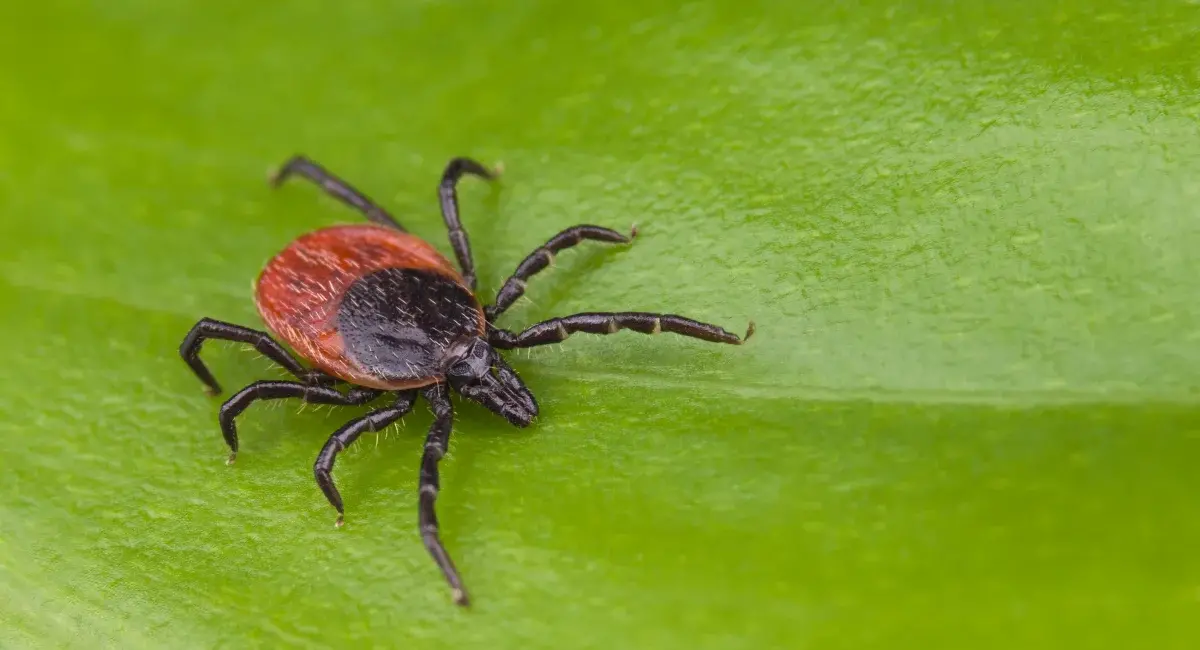
Deer tick disease (Lyme) is the most common concern. These ticks are small, difficult to see, and often active in landscaped areas that appear well-maintained. This makes exposure harder to detect and easier to overlook, especially on properties with lawns, garden beds, or tree lines. Property managers should be able to identify deer ticks to better assess the threat level on their grounds.
From a liability standpoint, this matters since public awareness of Lyme disease is high. Guests or employees who believe they were exposed on-site may associate that risk directly with property conditions. Without proactive management, even a single reported exposure can raise questions about your property maintenance standards and duty of care.
Other Tick-Related Illnesses
While Lyme disease receives the most attention, it is only one of several tick diseases in humans that may be linked to commercial environments.
- Lone Star Tick Disease: Public awareness of this species has increased as its geographic range expands. It is a growing concern for properties near developed areas.
- Dog Tick Diseases: These are often associated with properties that allow pets, host outdoor events, or border natural spaces.
- Canine Tick-Borne Disease: These risks are not limited to people alone. Pets visiting or living near commercial properties may be exposed, which can quickly become a customer relations issue for pet-friendly businesses and hospitality properties.
A comprehensive tick control program helps address these broader risks by targeting the environments where multiple tick species may be present.

How Tick Exposure Occurs on Commercial Grounds
Ticks do not show up by chance. Knowing how they get into and move around a property helps businesses prevent problems rather than just react to them.
Outdoor Work Areas and Green Spaces
Ticks thrive in tall grass, leaf piles, shrubs, and areas where lawns meet woodland. Properties with walking paths, picnic spots, or untended landscaping are particularly attractive to ticks.
Seasonal tick activity matters. Knowing when ticks are most active helps businesses plan ahead. The highest risk is usually from spring through early fall, but ticks can stay active whenever the weather is mild.
Guest and Visitor Access Points
Ticks are often carried in on clothing, pets, or equipment. Busy outdoor entrances, dog-friendly areas, and delivery zones provide access to new parts of your property. Knowing the signs of ticks allows facility managers to respond before exposure becomes widespread.

Reducing Disease Risk Through Professional Tick Control
Managing tick exposure takes more than a single treatment. It needs a planned approach that focuses on habitat management, regular checks, and ongoing prevention.
Environmental Tick Population Management
Professional tick control works by making the property less welcoming to ticks. This can mean treating high-risk areas, suggesting changes to landscaping, and finding ways to keep wildlife that carry ticks away from the property.
Instead of waiting for complaints, proactive management helps stop the conditions that let tick-borne diseases become a problem in the first place.
Ongoing Monitoring and Prevention
Ticks are persistent. Regular inspections and monitoring help identify changes in activity patterns. A documented plan shows employees, guests, and insurers that tick risk is being taken seriously. Professional services also help businesses stay informed about emerging tick diseases without over-focusing on medical details.
Partner With a Professional Tick Control Provider
Ticks are a pest problem that can affect health and liability. Businesses do not need to be disease experts, but they do need a partner who knows how ticks behave, where they hide, and how to manage them safely. Assured Environments offers Tick Control Services made for commercial properties. Our technicians focus on prevention, monitoring, and practical solutions that work for your business.
If your property has outdoor areas, green spaces, or lots of foot traffic, now is a good time to take action. Contact Assured Environments to help protect your people, your reputation, and your property from the growing tick risk.
Contact us today for a free, no-obligation quote!
Book Your Free Pest Inspection Today
Our local technicians will assess your property and recommend tailored solutions. Fast, friendly, and completely obligation-free.
- Safe, targeted treatments
- Local experts, fast response
- Trusted, trained technicians