© 2026 Ramac US, LLC © Copyright Assured Environments. All Rights Reserved
For property managers in New York, New Jersey, and Connecticut, June brings a familiar problem. As outside temperatures rise, large commercial buildings begin to trap heat.
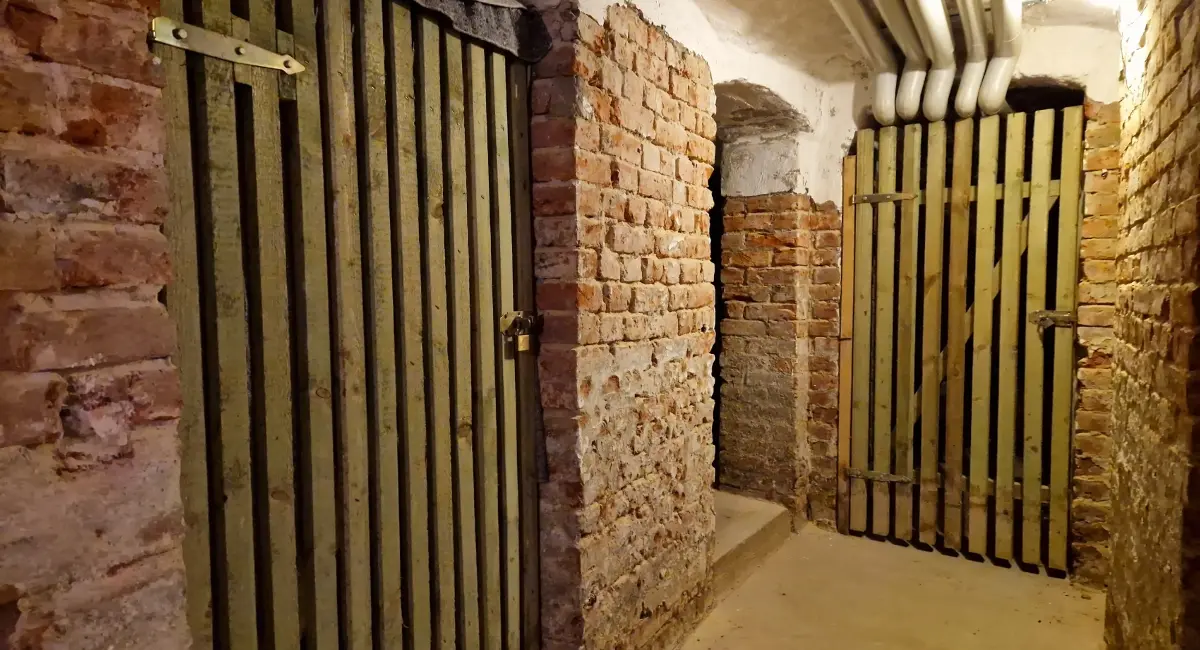
While lobbies and office suites remain perfectly air-conditioned, the hidden areas that support them tell a different story. Without dedicated cooling systems, the summer heat penetrates deep into sub-basements, mechanical floors, compactor rooms, and utility closets, making them hot and damp.
These overlooked utility areas safely harbor pests, allowing roach populations to multiply rapidly weeks before the first tenant ever complains.
How Temperature Spikes Affect Pest Movement in Commercial Buildings
The National Weather Service uses the heat index to explain how hot it "feels" when humidity is added to the air. Inside your building, the combination of trapped heat and moisture makes poorly ventilated, uncooled utility spaces highly active breeding grounds for pests. A service corridor sitting at 78°F with damp air behaves very differently, from a pest risk standpoint, than a climate-controlled office at the same temperature.
At the regional level, the problem is compounded by what the EPA describes as the urban heat island effect, where developed areas are measurably warmer than surrounding landscapes. Across the tri-state region, this is not limited to Manhattan. Northern New Jersey's industrial corridors, the dense commercial stretches of Brooklyn and Queens, and even suburban office clusters in lower Connecticut and the Hudson Valley all experience localized heat loading that pushes into building envelopes through roofs, walls, shafts, and basement slabs.
June is a pivotal month for cockroach pressure in commercial properties across the region. It’s not yet warm enough for alarm bells to start ringing, but hot enough to strain internal systems, especially during unexpected heatwaves.
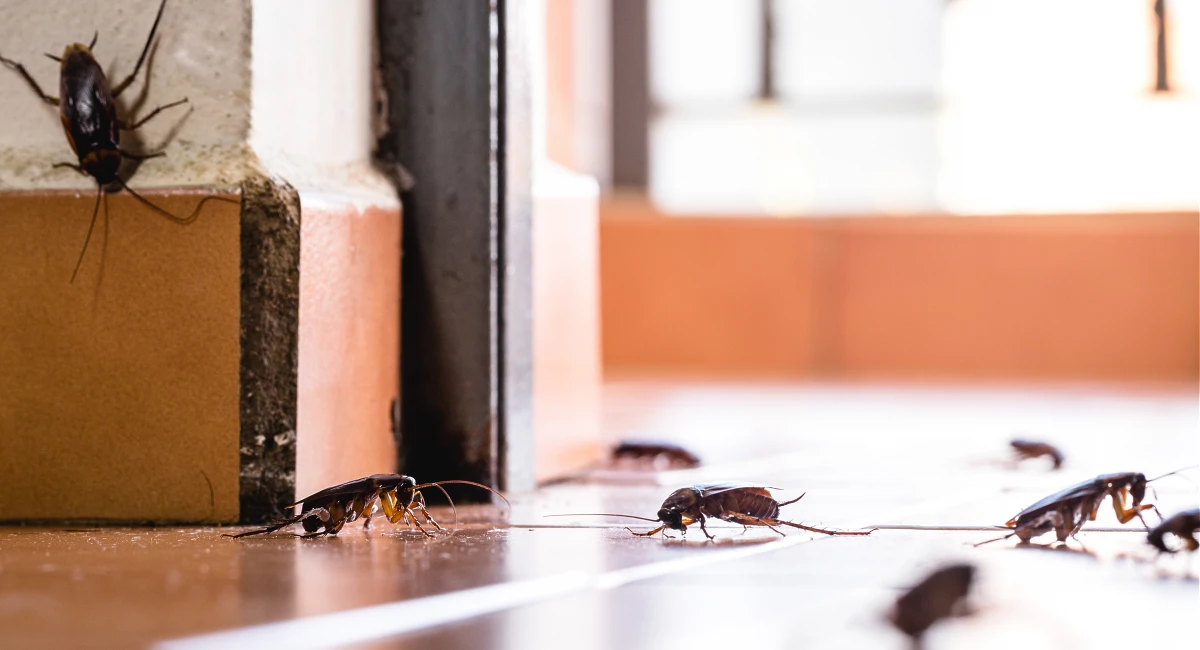
When the internal conditions are just right, cockroaches will follow. That typically means movement through:
- Utility penetrations and pipe chases connecting floors
- Waste holding areas and trash transit routes, particularly in buildings with shared compactor systems
- Janitorial closets, floor drains, and mop sinks
- Loading docks and back-of-house receiving points (common pressure zones in NJ distribution facilities and NYC mixed-use buildings)
- Mechanical rooms and elevator equipment enclosures
These are the areas where a contained issue can spread into occupied suites, amenity spaces, retail units, and common corridors.
Why the Highest-Risk Zones are Usually Not Primary Office Space
A common June mistake for sanitation and maintenance teams is focusing only on occupied floors while forgetting the supporting infrastructure that connects them.
In most tri-state commercial properties, office and retail spaces with high foot traffic are cooled, cleaned, and regularly checked. However, mechanical rooms, electrical closets, trash rooms, ceiling voids, and basement service corridors are a different story. They tend to run warmer, receive less frequent inspection, and hold more moisture than the spaces tenants interact with daily.
This is where facility microclimate control is essential. If a space is consistently warm, humid, dark, and lightly disturbed, it can function as a holding zone for pest activity even when the rest of the building appears pest-free.
The risk is especially pronounced in shared-use properties. A commercial tower in Manhattan with ground-floor food service, office tenants above, and shared waste or utility systems in between has significantly more pathways for roach movement than a single-use building. The same applies to mixed-use developments in Jersey City, New Rochelle, or the rapidly expanding corridors of central Brooklyn. Heat does not respect lease lines, and neither do pests.
For property teams managing these environments, industry-specific commercial pest programs are most effective when they reflect how the building actually operates, not just where complaints are logged.
June is When Hidden Conditions Become Visible Problems
By midsummer, infestations can suddenly appear, but the conditions that support them may have been building for weeks.
A warm waste room with a slow drain in a Bronx residential tower, a rooftop plant area with poor airflow in a Midtown office building, or a utility corridor running above ambient temperature in a Central New Jersey warehouse can all sustain pest activity before anyone sees a roach.
Rather than asking only where pests have been seen, property teams should be asking where environmental conditions are changing. A stronger June approach typically includes:
- Checking temperature and humidity trends in non-public service zones
- Increasing inspection frequency around drains, compactor areas, and penetrations
- Reviewing after-hours conditions, especially where heat lingers overnight in older tri-state building stock with limited insulation
- Prioritizing corrective action in areas combining warmth, moisture, and limited visibility
This is also the point where generic cleaning is likely to fail. Sanitation is incredibly important, but surface cleaning alone will not prevent heat-supported pest pressure in a building with untreated drains, warm wall voids, damaged door sweeps, or poorly managed waste routes.
Where waste systems and drains are part of the pressure pattern, targeted chute cleaning and drain treatment services can address breeding and movement conditions that basic sanitation misses.
What Microclimate Management Looks Like in Practice
Microclimate management is all about reducing the environmental conditions that roaches need to establish and spread. This involves improving airflow in stagnant service areas, correcting persistent leaks, adjusting cleaning schedules in high-risk zones, repairing seals around penetrations, or changing how waste is handled during hotter weeks. It may also mean shifting inspections to the times when building heat peaks rather than when teams happen to be available.
A strong integrated pest management plan requires your building engineers, cleaning staff, waste handlers, and pest monitors to work as one coordinated team. When these groups operate separately, hidden vulnerabilities are easy to miss. When they work together, it becomes much easier to pinpoint why a specific utility room keeps having pest problems.
This is also where documentation adds real value. A well-structured, integrated commercial pest control program helps property teams track patterns by location, condition, and time of day, which is far more actionable than responding to isolated sightings one by one.
Diagnostic Reflection
Ask your facility team: What parts of the building are sitting above 75°F right now?
If it isn't an air-conditioned office, it's likely a breeding ground for pests. Reframing the problem this way helps your team look for environmental warning signs rather than waiting for a tenant to complain.
A More Useful June Strategy for Tri-State Property Managers
Your goal in June should be to get ahead of heat-related vulnerabilities before they become visible infestations.
In short, this means checking your hottest utility areas and waste routes before pests establish themselves. Schedule your inspections for the hottest days, rather than just checking a box on the monthly calendar. In the New York tri-state area, our buildings are often older, densely packed, and share infrastructure. If you ignore environmental triggers, you’ll find yourself dealing with a major pest infestation for the whole property.
The difference between standard pest control and true risk management: one reacts to the calendar, while the other adapts to the building’s actual environment. By targeting these hidden, heat-stressed utility zones early, you stop infestations before a tenant ever sees a bug. To get ahead of the summer heat, our team is available to conduct a thorough risk assessment of your property's mechanical and support areas.
Stop reacting to midsummer pest sightings and start managing the environmental conditions that cause them. Connect with our commercial team to arrange a targeted risk assessment of your property's mechanical floors, waste routes, and hidden utility zones.
Book Your Free Pest Inspection Today
Our local technicians will assess your property and recommend tailored solutions. Fast, friendly, and completely obligation-free.
- Safe, targeted treatments
- Local experts, fast response
- Trusted, trained technicians