800-942-7123 Call Now Book a Free Inspection

Common Bird Infestation, Control & Removal

Birds can add charm to outdoor spaces, but are also a major pest when nesting in and around buildings. An infestation may lead to structural damage, ongoing maintenance issues, and health risks for people using the space. For property managers and those responsible for the upkeep of commercial, public, or residential buildings, recognizing early signs and knowing how to respond is essential. Our experts offer guidance on how to spot a bird infestation, manage it safely and legally, and reduce the risk of future problems.

Understanding Bird Pests

A bird infestation develops when pest birds, such as pigeons, starlings, or sparrows, gather and settle in large numbers around a property. They are usually drawn to areas with access to food, standing water, or shelter. Rooftops, open eaves, chimneys, and other elevated or sheltered structures tend to attract nesting activity.

Pigeons are the most common nuisance birds in urban environments, known for nesting on ledges and rooflines. Starlings and sparrows often seek out small gaps under tiles or within roof voids, while gulls can be troublesome in coastal areas due to their aggressive behavior and large nesting colonies. 

Bird infestations in roof cavities are common when tiles are cracked or ventilation points are unsealed. Once birds nest inside a building, they return repeatedly to the same spot without effective deterrents or exclusion methods to prevent access.

Birds can be noisy and disruptive in urban settings

Signs of a Bird Infestation

Common indicators of pest activity include:

  • Frequent bird droppings on walls, windowsills, pavements, and rooftops
  • Nesting materials like twigs, feathers, and leaves near rooflines, gutters, chimneys, or vents
  • Persistent bird calls, fluttering noises in the attic or walls, especially during early morning hours
  • Damage to roof tiles, guttering, insulation, or exterior finishes from nesting or roosting activity
  • Foul odors or blocked drainage due to the buildup of droppings and debris
  • Presence of insects like mites or flies attracted to droppings and nests

These signs of a bird infestation often indicate an established or emerging bird problem that should be removed as soon as possible to prevent further escalation. Accumulated droppings are unsightly and can become slippery, stain surfaces, attract other pests, and may lead to corrosion or blocked drainage systems. This can eventually cause structural decay, increase repair costs, and present health risks to those inside the property.

Bird Infestation Risks

A local bird infestation can create a range of health and safety issues. Droppings may carry bacteria and parasites that can lead to respiratory problems or infections, while feathers and nesting materials can trigger allergies. These risks are often higher in busy or hospital and healthcare environments.

Birds nesting near vents or loading areas can raise contamination concerns in the food and beverage sector, and staff in office blocks, with roof access or open ventilation, may experience foul odors or blocked airflow. Moreover, droppings present slip hazards in public areas, like schools, grocery stores, and shopping malls, leading to liability claims and regulatory violations.

Regular building checks are essential to prevent the buildup of waste debris and costly damage to roofing, insulation, and wiring around external fixtures, especially in hard-to-reach areas. Proactive action helps minimize risk and maintain clean, sanitary conditions, regardless of the property size or type. Fast action will reduce risk and maintain high standards.

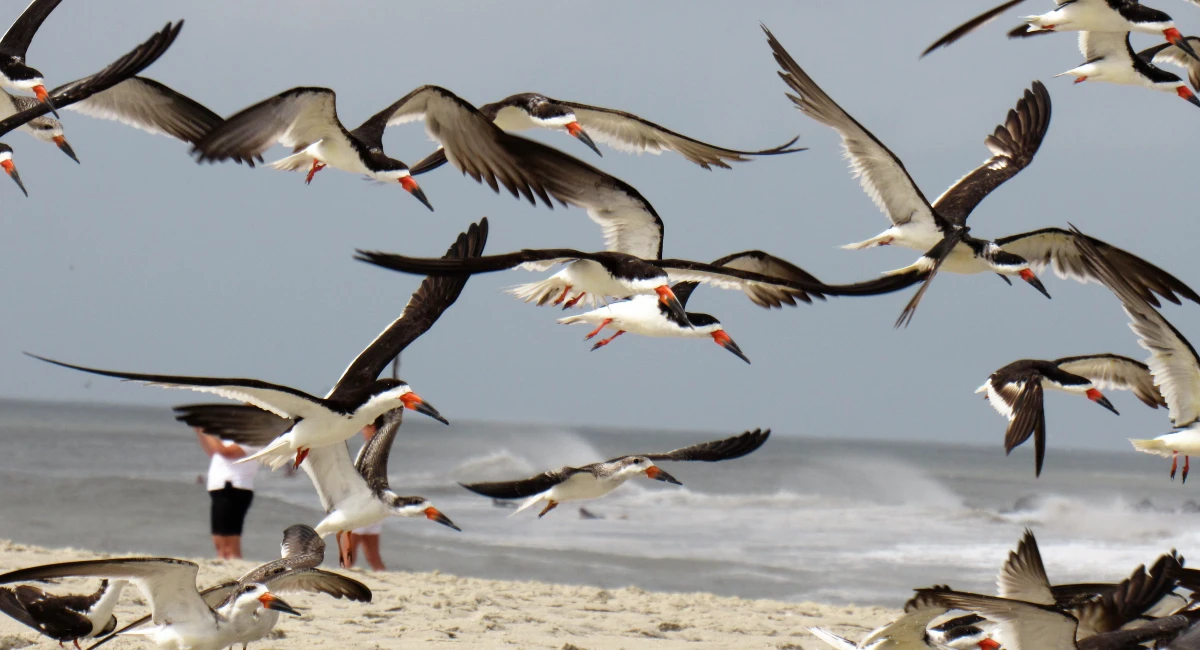
Gulls in New Jersey can be aggressive

Bird Protection Laws

Attempting bird infestation removal without understanding the legal requirements can lead to fines or prosecution. In the U.S., most wild birds and their nests are protected under the Migratory Bird Treaty Act. These protections apply to common nuisance birds such as pigeons, starlings, and sparrows.

The rules state that disturbing, moving, or removing active nests is illegal without the appropriate permits or exemptions. This includes removing a nest during breeding season, which is considered unlawful without professional oversight. 

Professional technicians are trained to recognize protected species, assess the legal status of nests, and work within compliance standards. In many cases, nest removal is only permitted once the birds have abandoned a nest or in limited scenarios where a legal exemption applies, such as where a serious health risk is involved.

Prevention and Control Strategies

Prevention is key to managing a bird infestation and fully protecting your building. Commercial property managers can limit nesting opportunities and reduce long-term risks by making the environment less attractive and harder to access. A layered approach using maintenance, deterrents, and environmental management tends to be the most successful. 

Educational campuses and multi-building industrial complexes benefit from consistent, scheduled servicing to minimize operational disruptions.

Building Maintenance

  • Eliminate access to food and standing water by securing trash, maintaining outdoor spaces, and cleaning regularly
  • Seal gaps in roofs, eaves, and vents to prevent entry into roof voids or wall cavities
  • Modify ledges or other surfaces to limit perching or roosting opportunities

Deterrent Systems

  • Install bird spikes, netting, post-and-wire systems, and solar-panel mesh to physically block birds from landing or nesting
  • Use roofline guards and chimney covers to protect common entry points
  • Ensure any barriers are installed correctly to remain effective and humane

Environmental Management

  • Employ visual deterrents like reflective tape or decoys, and sound-based devices to create discomfort for birds
  • Consider the location and type of building when choosing deterrents, for example, noise-based tools may not suit sensitive environments

 Professional Solutions 

Store-bought solutions can help to discourage birds from nesting, but the positive effects are generally short-lived. At Assured Environments, our technicians are trained in bird removal and prevention for lasting protection. They know where to look, the rules governing removal, and the best solutions for your situation.

Our tailored solutions may include exclusion tools, physical deterrents, and maintenance recommendations that align with regulatory requirements and humane practices. Whether you need one-time removal or ongoing support, we help manage bird problems safely and with minimal disruption.

Contact us today for bird control advice or to schedule a free inspection.

Frequently Asked Questions

You may notice increased bird activity, droppings, or noise around your property, especially at dawn and dusk. Look out for nests, nesting debris, or unusual smells in attics, gutters, or vents; these are all clear signs of a bird infestation.

Twigs, feathers, and nesting materials found around rooflines, chimneys, or ventilation points can indicate nesting activity. Ongoing bird noise and sightings of birds entering and exiting the same spot regularly are also key signs.

Pigeons, seagulls, starlings, and sparrows are most commonly classified as nuisance birds because they tend to nest on buildings and spread mess. These species are known for causing bird damage to property, contaminating surfaces, and creating long-term maintenance issues.

Yes, bird infestations can lead to damaged roofing, blocked gutters, and compromised ventilation systems. Droppings can corrode building materials and create hygiene hazards, while nesting debris may even become a fire risk.

Bird droppings and feathers can carry bacteria, mites, and fungi that may cause respiratory infections or allergic reactions. Exposure can harm people with pre-existing conditions or weakened immune systems.

Use non-lethal deterrents such as netting, spikes, reflective materials, or sound-based repellents to make areas less inviting. For best results, professional bird infestation control can help ensure humane, legal, and lasting outcomes.


Ready to Get Started?

Contact us today for a free, no-obligation quote!

800-942-7123


Find Your Local Branch

Go

Get in Touch

Contact Assured Environments now to arrange a free risk assessment and explore tailored solutions for your commercial site.

About Us

Learn about Assured Environments, the best commercial pest control for New York and the surrounding area. Get Assured Environments pest control services today.