© 2026 Ramac US, LLC © Copyright Assured Environments. All Rights Reserved
Quick Overview
- Reusable pallets, crates, and heavy-duty totes can create blind spots where pests can easily hitch a ride.
- Empty returnable packaging often bypasses strict quality-control checks, allowing pests to cross the receiving line undetected.
- Late fall freight surges and dropping temperatures push rodents toward unchecked, idle packaging staged on loading docks.
- Allowing just one contaminated container onto the production floor can trigger immediate audit failures, product holds, and costly deviation investigations.
- Facilities must establish strict, documented acceptance criteria and verify the cleaning history of all returnable assets before they are approved for use.
Reusable pallets, bulk totes, and crates keep goods moving across food, retail, and pharmaceutical supply chains. However, they also move between different businesses with varying cleaning procedures, storage conditions, and inspection standards. When these assets return empty, their condition is not always examined.
That creates a dangerous blind spot. While receiving teams carefully check ingredient labels, shipment temperatures, and supplier paperwork, they rarely apply the same scrutiny to returnable packaging. As a result, product residue, hidden pests, or signs of rodent activity can easily spread from one facility to another.
Late fall increases pressure across New York City, Long Island, Westchester, and Central New Jersey. At the same time, seasonal spikes in freight traffic squeeze dock inspection times, right when colder weather drives rodents indoors.
The Custody Gap Between Deliveries
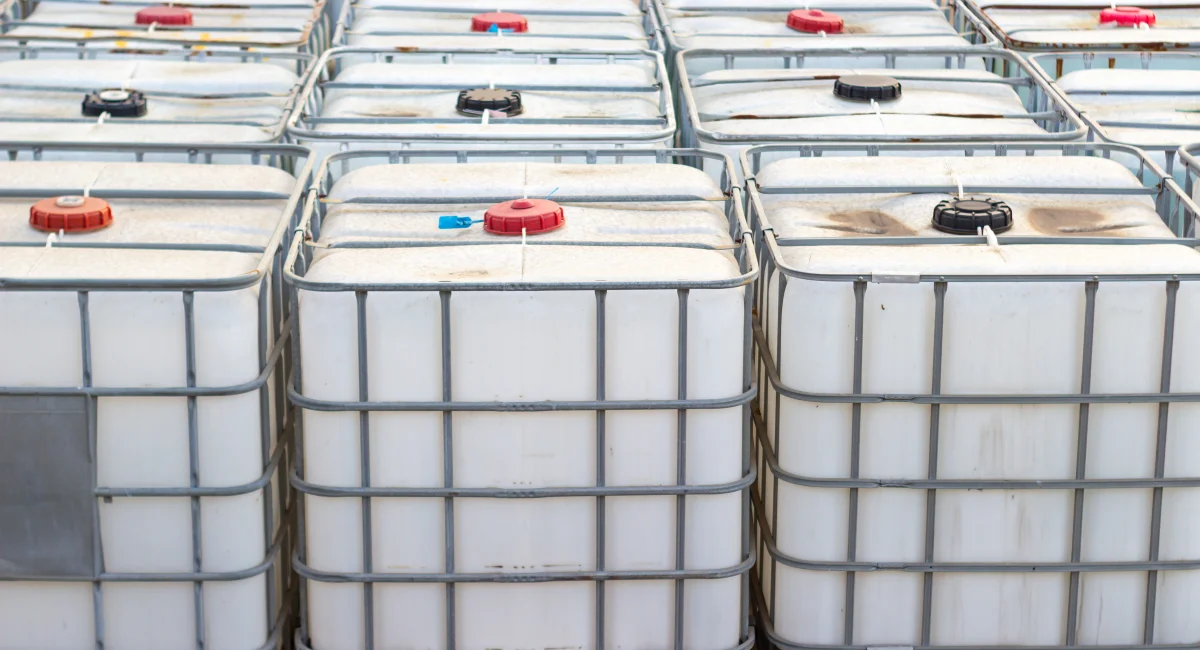
In industrial and manufacturing supply chains, food and pharma products are often transported in reusable Flexible Intermediate Bulk Containers—such as caged tanks and flexible super sacks (totes)—designed for continuous circulation. A single container may pass through a supplier, carrier, warehouse, retail backroom, and cleaning provider before returning to service.
Each time a container changes hands, there is a potential accountability gap:
- Was the cleaned packaging properly protected during storage and transit?
- Who inspected the underside of the pallet or container?
- Were damaged liners, cracked corners, or loose boards repaired before reuse?
Unfortunately, a supplier's written cleaning policy does not guarantee that a specific delivery strictly followed it. Neither does a familiar company logo confirm packaging or container history since its last use. However, proof of inspection at every stage provides assurances, so your team never has to guess whether a returning container is actually clean.
Empty Does Not Mean Clean
Your facility carefully checks raw materials before accepting them, but the empty packaging that carries them needs the same level of scrutiny.
Consider the materials themselves. FIBC super sacks are made from woven polypropylene (PP) fabric, often with specialized food-grade or anti-static inner liners to maintain cleanliness, control moisture, and prevent contamination. On the other hand, rigid caged containers might look more hygienic and easier to manage, but they require equal attention. Pests easily hide in tote hinges, cracked corners, and pallet gaps, just waiting to spread into your product cycle.
Both types of packaging require thorough cleaning and complete drying to prevent pests, moisture buildup, and mold.
The stakes vary by sector, but the standard remains high. Stored-product pest control must be a priority at food facilities, while pharmaceutical teams must keep dirty transport containers out of their clean rooms entirely—because an infested pallet is a severe compliance risk even when the medicine inside remains sealed.
Why Late Fall Exposes Weak Controls
Late fall brings higher risks due to surging freight volumes and lower temperatures. Across the Tri-State area, warmer autumn temperatures have increasingly delayed the start of sustained winter cold. While a milder fall can create a false sense of security, it actually gives rodents and insects extra weeks to stay active and breed outdoors before a sudden cold snap drives a larger wave of pests inside all at once, often right in the middle of the Q4 rush.
When receiving teams are pressured to unload trailers and clear lanes quickly, inspecting empty returnables often drops to the bottom of the priority list. Seasonal overflow forces stacks of idle pallets and totes outside or into temporary storage, creating perfect winter shelter for pests.
Even on short regional trips between New York City, Westchester, and New Jersey, these containers sit on cold, busy docks where mice and rats are desperately looking for warmth and cover.
Your pest-prevention plan must account for this seasonal shift. Make sure you have the capacity to inspect incoming packaging, protect clean returns from dirty stacks, and keep dock doors closed immediately after use.
How One Container Can Disrupt Production
If unvetted, contaminated packaging near exposed ingredients or production equipment can turn into a crisis. Once a pest makes it inside, the consequences escalate immediately: food teams are forced to throw away adjacent stock, pharmaceutical teams have to launch deviation investigations, and facility managers can face sudden production holds.
To stop pests at the door, you need a hard boundary between arriving returns and packaging approved for use. Do not wave empty containers, crates, or pallets through out of convenience. Your receiving team, quality control, and pest management partner need to agree on clear acceptance rules:
- Check the condition: Actively look for live bugs, rodent droppings, gnaw marks, webbing, or trapped food residue on every returned container.
- Verify the cleaning history: Confirm who last cleaned the packaging, when it happened, and whether the process matches your facility's standards.
- Define the release status: Be clear about who has the authority to accept, hold, or reject a delivery when hygiene records are missing.
If a pallet, crate, or tote looks suspect, keep it quarantined outside your approved storage routes until trained staff can inspect it.
Traceability Should Explain the Last Clean
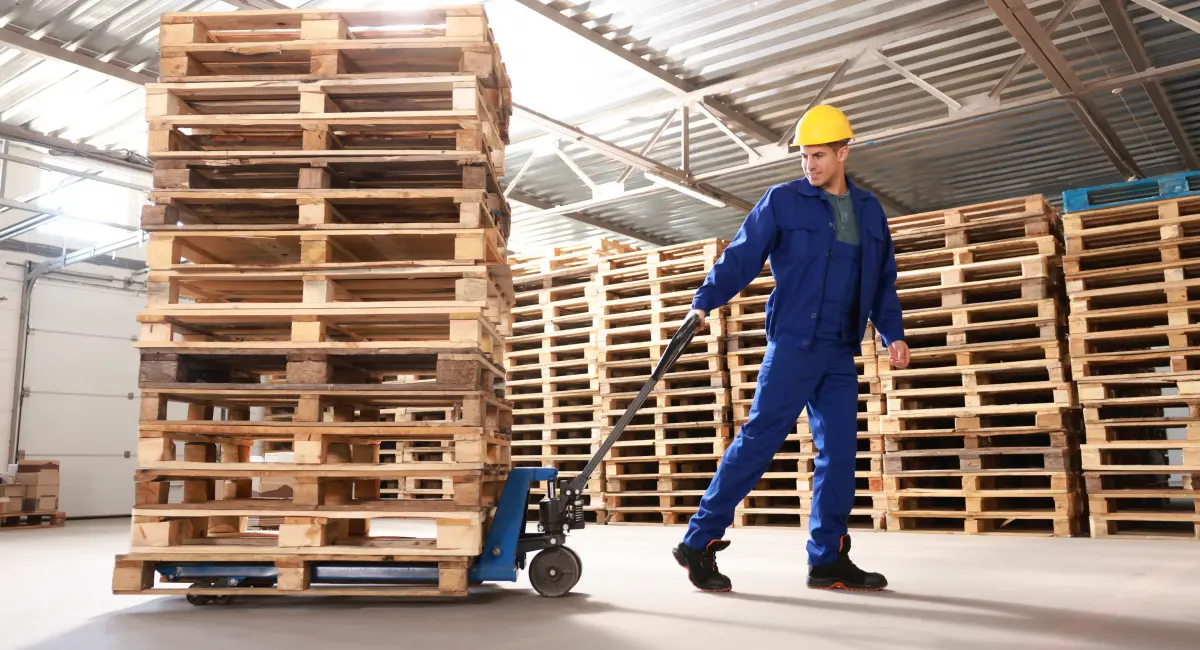
A barcode or digital scan might tell you who owns a pallet or tote, but it doesn't prove it is pest-free. Real accountability connects that specific piece of packaging to its last wash and subsequent storage. Most importantly, your records need to show that a real, accountable person actually inspected the item and signed off on its hygiene at your receiving dock.
Start tracking your rejected returns, and keep a record of which suppliers or cleaning locations repeatedly send dirty pallets, crates, and totes. When you spot a pattern of pest droppings or food residue, you can use that data to demand better standards from the vendor. This turns pest control for distribution centers from a simple service report into a powerful tool that your quality and procurement teams can use to improve the whole supply chain.
Close the Loop Before Production
Reusable packaging can support waste reduction without weakening hygiene controls. The requirement is a return loop that protects sanitary conditions as carefully as it tracks container movement.
Start with a quick dock check: walk your returnable staging lane and ask whether your team can verify where each container was cleaned and what happened to it afterward.
If the answer is unclear, Assured Environments can help review receiving risks, monitoring, and corrective actions. A focused conversation about returnable packaging can help connect supplier expectations with everyday decisions at your dock.
Unchecked returnables shouldn't threaten your facility's compliance standards. Speak with our team to evaluate your loading dock vulnerabilities and build a more resilient inspection process.
Book Your Free Pest Inspection Today
Our local technicians will assess your property and recommend tailored solutions. Fast, friendly, and completely obligation-free.
- Safe, targeted treatments
- Local experts, fast response
- Trusted, trained technicians