© 2026 Ramac US, LLC © Copyright Assured Environments. All Rights Reserved
In early 2026, New York City’s expanded use of secure waste containers helped reduce reported rat sightings by 22%, demonstrating the clear power of source reduction and proactive monitoring. For pharmaceutical facility directors and QA leaders, even well-maintained sites face persistent rodent pressure around loading docks, utility lines, and waste areas. Setting a monitoring baseline in October gives you clear, site-specific data before cold weather drives pests indoors. This simple step helps prevent contamination, audit failures, and costly downtime.
What NYC’s 22% Decline Teaches Controlled Environments
Traditional rodent control often focuses on traps and treatments after activity is detected. New York City’s recent experience highlights the value of early action to control the conditions that support rodents. It shows that waste containers reduce access to food, while monitoring data helps identify where activity is rising or falling.
A pest sighting does not automatically mean a cGMP violation, but it does highlight a gap in your sanitation, exclusion, or monitoring plan. The level of risk depends on where the pest was detected, which materials may have been exposed, and how well the facility responds.
Cleanrooms and storage areas require strict environmental controls. A data-driven model tracks activity along exterior walls, so you can seal entry points long before cold weather pushes mice inside.

Citywide Data Doesn’t Reflect Site-Specific Risk
A citywide decline in reported sightings is encouraging, but it does not define the risk at an individual pharmaceutical site.
The 22% figure is based on reports made through 311. Reporting behavior can affect the total, and pest pressure varies between neighborhoods. During the same period, some community districts recorded increases even as the citywide number fell.
Rodent activity is highly local. Roadwork, utility projects, demolition, neighboring waste practices, and changes to collection schedules can alter movement around a facility. A construction project on one block may disturb burrows and increase activity near adjacent loading docks or foundations.
For this reason, regional averages should provide context rather than reassurance. The more useful questions are site-specific: Where is activity occurring? Has it changed? Which conditions may be supporting it? Were previous recommendations completed?
Why Reactive Pest Control Creates Unnecessary Risk
A rodent seen near a loading dock or mechanical room should not be treated as an isolated case. This evidence suggests that the site’s controls need to be reviewed.
The animal may have entered through a damaged door sweep, an unsealed utility opening, a dock leveler gap, or another weakness in the building envelope. It may also reflect activity around exterior waste, drainage, landscaping, or a neighboring property.
For regulated facilities, a delayed response can create several risks:
- Inspection and audit findings: Missing records, unaddressed repairs, or unexplained sightings raise red flags for inspectors.
- Contamination and product risk: Rodents can spread pathogens, leave droppings and urine, damage packaging, and move contaminants into controlled areas.
- Operational disruption: Investigations may require expanded inspections, cleaning, material holds, structural repairs, or temporary restrictions on affected areas.
Electronic monitors and digital trend reports can support earlier detection, but they do not replace sanitation, exclusion, or professional inspection.
Source Control: Engineering Out Pest Attractants
Rodentologist Dr. Robert Corrigan has described lids as “the true hero of rat management” when discussing New York City’s containerization program. His basic message is that, in city settings, replacing open trash bags with heavy-duty, lidded containers removes the primary food source that supports rat populations.
At a pharmaceutical facility, strict sanitation routines and structural maintenance are key:
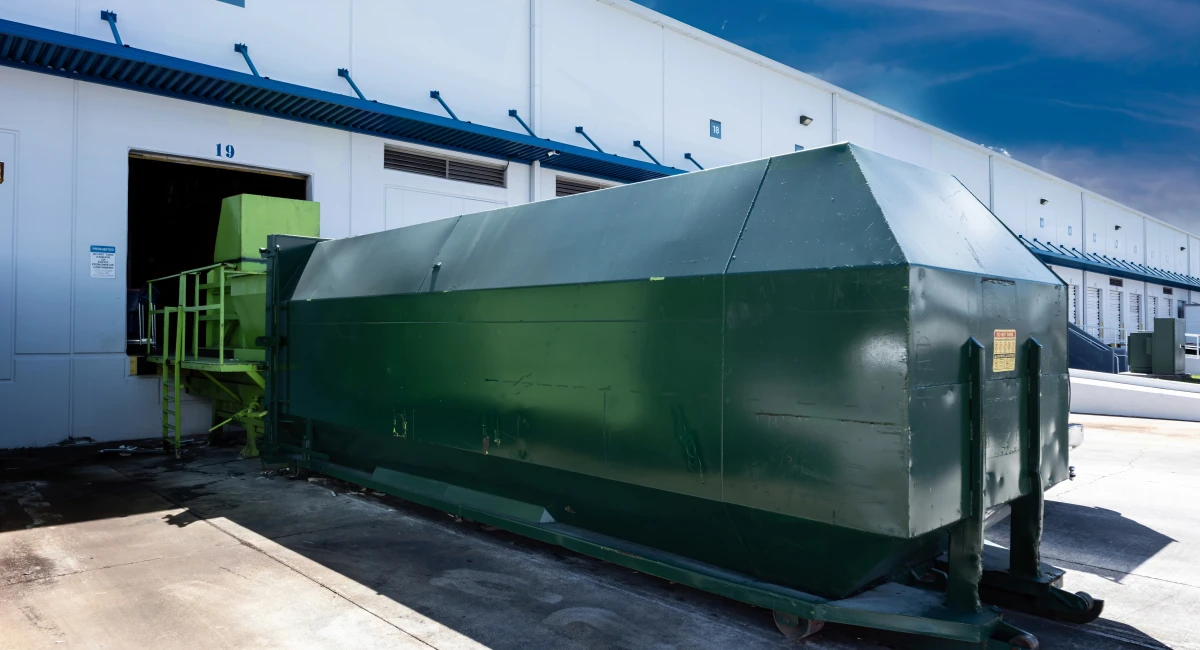
- Waste Management: Covering trash compactor bays, organic waste bins, and staging areas with tight-fitting lids prevents pests from finding food near building walls.
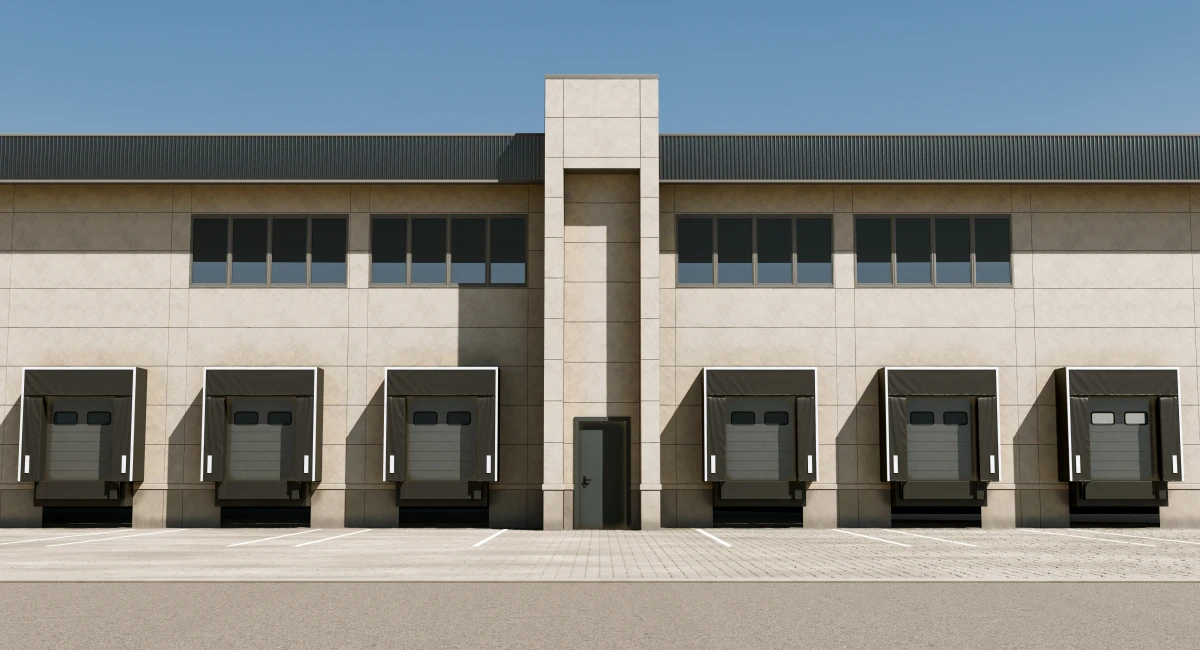
- Dock Seals and Door Sweeps: Installing heavy-duty weather seals, dock leveler brush seals, and high-speed roll-up doors closes tiny gaps that mice use to gain entry.
- Drainage and Moisture Control: Eliminating standing water near foundations and maintaining internal floor drains removes the water sources rodents need to survive.
Where structural weaknesses are identified, commercial rodent and wildlife exclusion can reinforce vulnerable doors, vents, utility openings, and other access points as part of the broader IPM program.
Establishing Your Winter Rodent Monitoring Baseline
October brings colder overnight temperatures across New York, New Jersey, and Connecticut, increasing the likelihood that mice and rats will seek food and shelter inside commercial buildings.
A baseline documents normal site conditions before winter pressure rises. It should record monitoring locations, current activity, unresolved structural concerns, and progress on corrective actions.
An effective October baseline should cover:
- Perimeter activity: Detections around loading docks, waste areas, utility routes, landscaping, and exterior walls.
- Building envelope risks: Gaps, defects, and heat-loss points that may attract rodents or provide entry.
- Seasonal trends: Current findings compared with previous records, seasonal patterns, and recent construction or maintenance.
- Corrective actions: Assigned responsibilities and deadlines for repairs, sanitation, and follow-up inspections.
Thirty days of consistent monitoring can provide a useful starting point. Without a defined baseline, however, facility teams may struggle to distinguish routine exterior pressure from an emerging winter issue.
Building a GMP-Aligned Predictive Pest Strategy
A winter rodent program should form part of a facility’s Integrated Pest Management (IPM) plan and reflect pharmaceutical requirements.
Core elements include:
- Risk-based monitoring: Position approved devices around perimeters, loading areas, storage zones, and mechanical spaces according to risk.
- Audit-ready records: Document inspections, device activity, sightings, structural findings, recommendations, and completed actions.
- Targeted exclusion: Seal utility penetrations, repair door sweeps, reinforce dock gaps, and close foundation openings.
- Joint QA reviews: Bring QA, facilities, sanitation, and pest management teams together to review trends and outstanding actions.
Assured’s PesTelligent® platform simplifies documentation, project tracking, and audit reporting. This gives pharmaceutical teams a clearer service record and helps departments stay informed.
Technology should support, not replace, professional judgment. Data delivers the most value when trained technicians and facility teams review findings together, investigate changes, and confirm that corrective actions have reduced risk.
Strengthen Winter Readiness Before Conditions Change
New York City’s declining 311 reports show what may happen when organizations reduce food access and track results. An October baseline gives QA and facility teams a defined point of comparison for the winter months. It can reveal changes in perimeter activity, support faster maintenance decisions, and provide evidence that identified risks are being managed.
It cannot guarantee that rodents will never approach the site. It can help the facility detect changing conditions before they reach controlled areas or disrupt operations.
Assured Environments can work with your QA and facilities teams to review existing monitoring data, assess building-envelope risks, and determine whether the current program provides a clear winter baseline.
Assured Environments can help your team interpret monitoring trends, prioritize vulnerabilities, and strengthen pest controls across your pharmaceutical facility. Start a conversation about practical, site-specific support for the winter months ahead.
Book Your Free Pest Inspection Today
Our local technicians will assess your property and recommend tailored solutions. Fast, friendly, and completely obligation-free.
- Safe, targeted treatments
- Local experts, fast response
- Trusted, trained technicians