Habitat, Diet, Life Cycle, and Behaviors
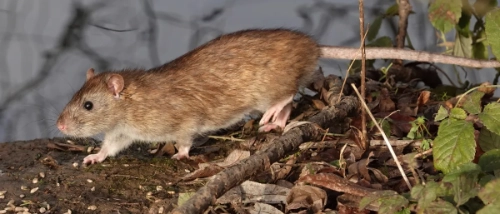
Norway rats are built for survival at ground level. They burrow deep, have a broad diet, breed rapidly, and adapt to almost any environment humans have built around them. Understanding how they live and what drives their behavior is essential to managing them effectively and keeping them from getting a foothold on your property.
Where Do Norway Rats Live?
Norway rats stick close to the ground and favor burrowing beneath structures, along fence lines, under concrete slabs, and near water sources like drains and riverbanks. They're well established in urban sewers and basements across the region.
What Do Norway Rats Eat?
They are true omnivores with hearty appetites. Norway (brown) rats favor high-protein foods like meat scraps and fish but will readily consume grains, vegetables, fruit, and food waste. They eat up to an ounce of food per day and need regular access to water. Poorly secured garbage, open compost, and accessible leftover food are among their most common attractants.
Norway Rat Life Cycle
Norway rats mature quickly, reaching reproductive age in as little as two to three months. Females produce between six and twelve pups per litter and can deliver multiple litters throughout the year. Gestation lasts around three weeks. With such rapid breeding cycles, a small group of serious rats can develop into a well-established colony in a surprisingly short space of time.
Norway Rat Behaviors
They are cautious by nature but become bolder as populations grow. They're strong swimmers, known to navigate sewer systems to access buildings from below, hence the alias ‘sewer rat’. They follow fixed travel routes and leave greasy marks along walls as evidence of regular movement. Unlike roof rats, they rarely climb, preferring to stay at or below ground level throughout their daily activity.