800-942-7123 Call Now Book a Free Inspection

Mosquitoes are more than annoying for businesses. They drive away customers, put employees and guests at risk, and can expose property owners to serious liability. This page covers mosquito habitat, diet, life cycle, and the commercial risks they pose.

Quick Facts About Mosquitoes

  • Peak mosquito activity is at dusk and dawn feeding periods, though some species bite all day.
  • Only female mosquitoes bite. They need a blood meal to develop eggs, while males feed solely on nectar.
  • Mosquitoes can detect CO2 attraction and host-seeking targets from up to 30 feet away, making outdoor spaces hard to enjoy.
  • Mosquitoes are responsible for more human deaths worldwide than any other animal, primarily through vector-borne diseases like West Nile virus.
     
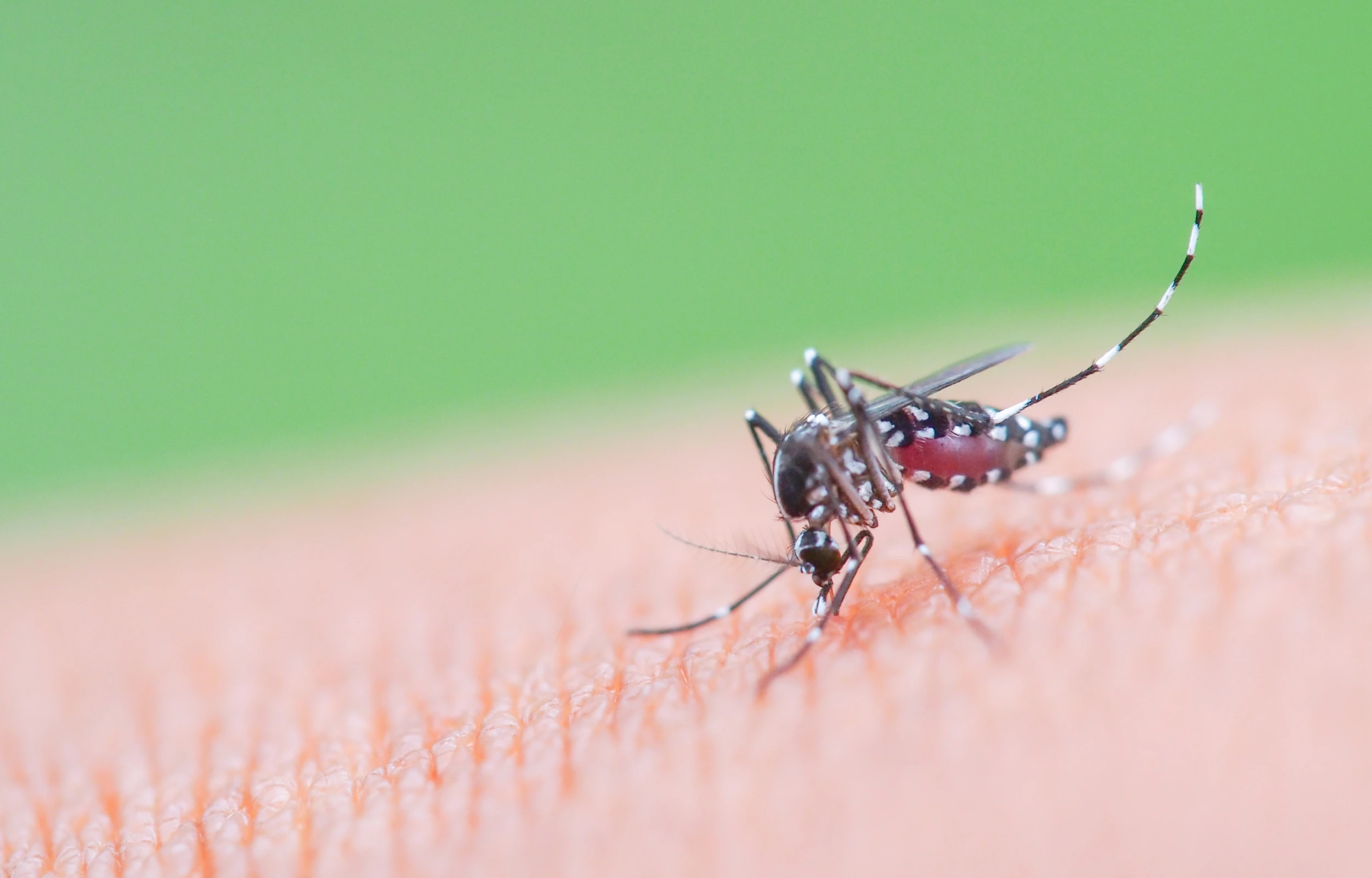
Mosquito resting on surface

What Are Mosquitoes?

Mosquitoes are small, two-winged insects belonging to the family Culicidae. There are over 3,500 known species worldwide, but only a handful cause significant problems for businesses and public health. Female mosquitoes bite, while males are harmless nectar feeders. The species you're most likely to encounter commercially are Aedes and Culex mosquitoes, each with distinct behaviors, breeding preferences, and peak activity windows that affect how they're best controlled.

Dealing With Mosquitoes?

Contact us today for your free inspection.

Habitat, Diet, Life Cycle, and Behaviors

Understanding the basics of mosquito behavior is important before putting a control strategy in place. Here's a general breakdown.

Where Do Mosquitoes Live?

Mosquitoes breed exclusively in or near standing water. Clogged gutters, flat rooftops, poorly drained landscaping, decorative ponds, and failures in facility drainage management can all increase breeding sites on commercial properties.

What Do Mosquitoes Eat?

Female mosquitoes feed on blood to fuel egg production, targeting humans and animals using CO2 attraction and host-seeking sensors. Males feed only on plant nectar and pose no biting risk. Reducing host access is central to any control strategy.

Mosquito Lifecycle

Mosquitoes develop through four stages: egg, larva, pupa, and adult. The full cycle takes as little as seven days in warm conditions. Larvae develop in stagnant water, which is why standing water removal and mosquito larvicide treatment are such effective early interventions.

Mosquito Behaviors

Most species are more active first thing in the morning and last thing at night, though Aedes mosquitoes bite aggressively throughout the day. Mosquitoes rest in cool, shaded vegetation during the hottest parts of the day and become more active as temperatures drop.

Mosquito Seasonality

When do mosquitoes come out in force? In the Tri-State Area, mosquito activity typically ramps up from late April and peaks through July and August. When do mosquitoes go away? Activity drops sharply once temperatures consistently fall below 50°F, usually in October.

How to Identify Mosquitoes and Signs of Activity

You don't need to catch one to know you have a problem. There are reliable physical and environmental signs indicating active mosquito breeding and feeding on your property.

Mosquito on fingertip

Signs of Mosquito Breeding and Activity on Your Property

Look for larvae wriggling near the surface of standing water in clogged drains, plant saucers, and flat-roof ponding. High bite rates reported by staff or guests are another clear sign of an established breeding population nearby. For a broader look at the risks mosquitoes have posed historically and regionally, our posts on The 3 Worst Pest Disasters in History and The Most Dangerous Pests in New York provide useful context for why these insects deserve serious attention.

How to Get Rid of Mosquitoes

Getting rid of mosquitoes can be a challenge. Because they favor locations near or around water for breeding, the source of a mosquito problem can be very difficult to locate. Our barrier methods are highly effective at keeping populations down, and our In2Care bait stations can disrupt breeding cycles, eliminating mosquitoes where they live and breed.

Commercial Impact and Industry Risks

Mosquitoes don't just make outdoor spaces uncomfortable. For businesses, an untreated mosquito problem creates real health, compliance, and operational risks that can directly affect your bottom line.

Guest, Tenant, and Employee Safety

Vector-borne diseases transmitted by mosquitoes include West Nile virus, Eastern equine encephalitis, and dengue fever. Businesses that fail to manage mosquito activity on their grounds risk exposing guests, tenants, and employees to these illnesses. They may also face legal liability if negligence is established. For practical guidance on keeping mosquitoes away from your workforce, our post on How Do I Keep Mosquitoes from Bugging Me at Work is a good place to start.

Impact on Outdoor Commercial Spaces

Outdoor dining pest control is a growing priority for restaurants, hotels, event venues, and hospitality businesses with terrace or garden areas. A mosquito problem in a customer-facing outdoor space directly affects footfall, dwell time, and reviews. Keeping mosquitoes away from these areas involves a combination of perimeter barrier treatment, commercial misting systems, and facility drainage management work.
 

Frequently Asked Questions

Yes, when applied by a licensed professional. Perimeter barrier treatment products used in commercial settings are EPA-registered and applied at safe concentrations for humans, pets, and pollinators when directions are followed correctly. Your Assured Environments technician will always advise on any re-entry intervals and will time applications to minimize impact on guest-facing operations.

Light rain shortly after a perimeter barrier treatment can reduce effectiveness, which is why timing and product selection matter. Professional-grade products used in commercial applications are generally more rain-fast than consumer alternatives. Commercial misting systems and mosquito larvicide treatments applied directly to breeding sites are less affected by rainfall than surface barrier sprays.

Potentially, yes. If a business is shown to have neglected known mosquito breeding conditions on their property and a guest, tenant, or employee contracts a vector-borne disease, that could form the basis of a negligence claim. Maintaining documented records of professional mosquito treatments and site inspections is one of the most important steps a property owner can take to demonstrate duty of care.

Treatment frequency depends on the size of the property, the surrounding environment, and the severity of the problem. Most commercial properties benefit from monthly perimeter barrier treatment applications throughout mosquito season, with mosquito larvicide applied to any water features or drainage areas as needed. A mosquito fogger application may also be recommended ahead of outdoor events where guest comfort is a priority. Your Assured Environments specialist will recommend a schedule based on your specific site conditions.

Find Your Local Branch

Go

Get in Touch

Contact Assured Environments now to arrange a free risk assessment and explore tailored solutions for your commercial site.

About Us

Learn about Assured Environments, the best commercial pest control for New York and the surrounding area. Get Assured Environments pest control services today.