800-942-7123 Call Now Book a Free Inspection

Bed bugs are a serious problem for businesses, causing disruption, reputational damage, and costly downtime. This page covers everything you need to know about bed bugs, including their habitat, diet, life cycle, and how to protect your facility.

Quick Facts About Bed Bugs

  • Early signs of bed bugs include fecal spots, cast skins, and a musty odor before any bites are reported.
  • Bed bugs aren't a hygiene issue. They'll infest even the cleanest, most well-maintained commercial premises.
  • A single female bed bug can lay up to 500 eggs over her lifetime, making infestations escalate fast. Read more in our post on 8 Interesting Bed Bug Facts You Didn't Already Know.
  • They're drawn to CO2 and body heat, which is why sleeping guests are the most common hosts.
  • Bed bug eggs and nymphs are tiny and nearly transparent, making them extremely difficult to spot without professional detection.
  • Bed bug detection dogs can locate live bugs and viable eggs with accuracy rates above 90%.
     
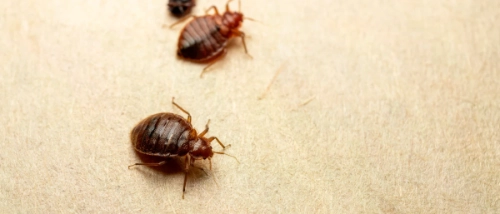
Two bed bugs with shed skin on fabric

What Are Bed Bugs?

Bed bugs (Cimex lectularius) are small, wingless parasitic insects that feed exclusively on blood. Adults are roughly the size of an apple seed, flat, oval-shaped, and reddish-brown in color. They don't jump or fly, but they move quickly across surfaces and are experts at hiding in tight spaces. Businesses across hospitality, healthcare, and residential management deal with them more than most people realize.

Seeing Bed Bugs?

Contact us today for your free inspection.

Habitat, Diet, Life Cycle, and Behaviors

Understanding how bed bugs live and behave is the first step to getting ahead of an infestation. Here's what you need to know.

Where Do Bed Bugs Live?

Bed bug harborage sites are typically found in mattress seams, headboards, bed frames, furniture joints, wall voids, and behind electrical outlet plates. They stay close to where people sleep or rest.

What Do Bed Bugs Eat?

Bed bugs feed exclusively on blood, typically at night. They use CO2 and body heat attraction to locate sleeping hosts, feeding for three to ten minutes before retreating to a harborage to digest.

Bed Bug Lifecycle

The lifecycle moves from egg to nymph through five instars before reaching adulthood. Bed bug eggs and nymphs require a blood meal at each stage to develop. The full cycle takes between five weeks and four months depending on temperature.

Bed Bug Behaviors

Bed bugs are nocturnal and incredibly secretive. They tend to huddle in bed bug harborages during the day and emerge at night to feed. Their flat bodies let them squeeze into cracks as thin as a credit card.

Bed Bug Seasonality

Bed bug activity doesn't have a true off-season, but complaints spike in summer when travel increases. Warmer indoor temperatures also speed up their lifecycle, meaning infestations can grow faster during warmer months.
How to Identify Bed Bugs

Signs of bed bugs include fecal spots and blood stains on bedding, cast skins near furniture, and a sweet, musty odor. Learning what bed bugs look like helps staff flag issues before they escalate. It's also worth knowing that bed bugs are sometimes confused with other insects. Our guide on Bed Bugs or Carpet Beetles: A Look at the Differences can help you tell them apart.

Early Signs of Bed Bugs and How to Check Your Facility

Check around mattress seams,  behind headboards, and in upholstered furniture. Train housekeeping and facilities staff to inspect these areas during routine turnovers. A systematic how to check for bed bugs protocol should be part of your standard operating procedures.

How to Get Rid of Bed Bugs

Getting rid of bed bugs takes more than just washing your sheets. Start by decluttering the affected area and laundering all bedding and clothing on a high heat setting. Vacuum thoroughly around mattresses, furniture, and baseboards, then seal and dispose of the vacuum bag immediately. For serious infestations, it's best to call a professional bed bug exterminator who can apply targeted bed bug treatment methods like heat treatments or residual sprays that reach every hiding spot. DIY approaches rarely eliminate the whole colony, so acting fast and bringing in a licensed pest control expert gives you the best chance of getting rid of them for good.

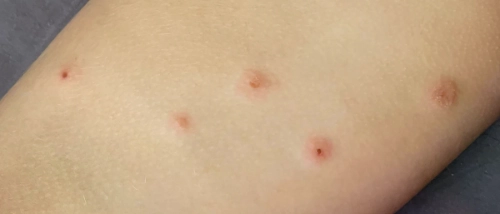
Skin with a Bed Bug Bite

What Do Bed Bug Bites Look Like?

Bed bug bites typically appear as small, red, itchy welts in clusters or a line pattern on the skin. They're often mistaken for mosquito bites, so confirming physical signs of bed bugs in the environment is essential for confirmation.

Commercial Impact and Industry Risks

For businesses, a bed bug problem isn't just an inconvenience. It carries real financial, legal, and reputational risks that need to be taken seriously.

  • Room Closures, Downtime, and Lost Revenue: Room closures during treatment result in direct revenue loss. The longer an infestation goes undetected, the greater the operational downtime and the harder it is to recover quickly.
  • Brand Reputation, Guest Reviews and Litigation Risk: A single negative online review mentioning bed bugs can deter future bookings for months. Beyond reputation, businesses face potential litigation if guests or tenants suffer repeated bites and inadequate action was taken.
  • Industry Compliance and Tenant Relations: Landlords and property managers have a duty of care to provide habitable conditions. Failing to act on a reported bed bug problem can breach tenancy agreements and expose your business to legal liability.
     

Frequently Asked Questions

The short answer is that they hitchhike. They travel on luggage, clothing, second-hand furniture, and personal belongings. In commercial settings, guests, contractors, and deliveries are all potential routes inside. However, where bed bugs come from is less important than having a solid detection plan in place.

Property managers have a legal duty to address reported infestations promptly. Delays in action, failure to follow Integrated Pest Management (IPM) protocols, or inadequate follow-up can all lead to tenant claims. Mattress encasements, documented inspection records, and a professional treatment history all help demonstrate due diligence.

Reoccupation timelines depend on the treatment method used. Thermal remediation (heat treatment) typically allows same-day reoccupation once the room has cooled. Chemical treatments may require a short exclusion period. It's worth noting that some DIY approaches, like foggers, are far less effective than professional treatment.

Often, yes. Bed bugs move through wall voids, conduit runs, and shared ductwork. A thorough inspection of neighboring spaces is a critical part of any Integrated Pest Management (IPM) approach. K-9 bed bug detection can rapidly assess adjacent areas without the need to strip every room.

Absolutely. We understand that discretion matters for your guests, tenants, and staff. Our teams work discreetly and within your operational schedule to minimize visibility and disruption to your business.

Find Your Local Branch

Go

Get in Touch

Contact Assured Environments now to arrange a free risk assessment and explore tailored solutions for your commercial site.

About Us

Learn about Assured Environments, the best commercial pest control for New York and the surrounding area. Get Assured Environments pest control services today.